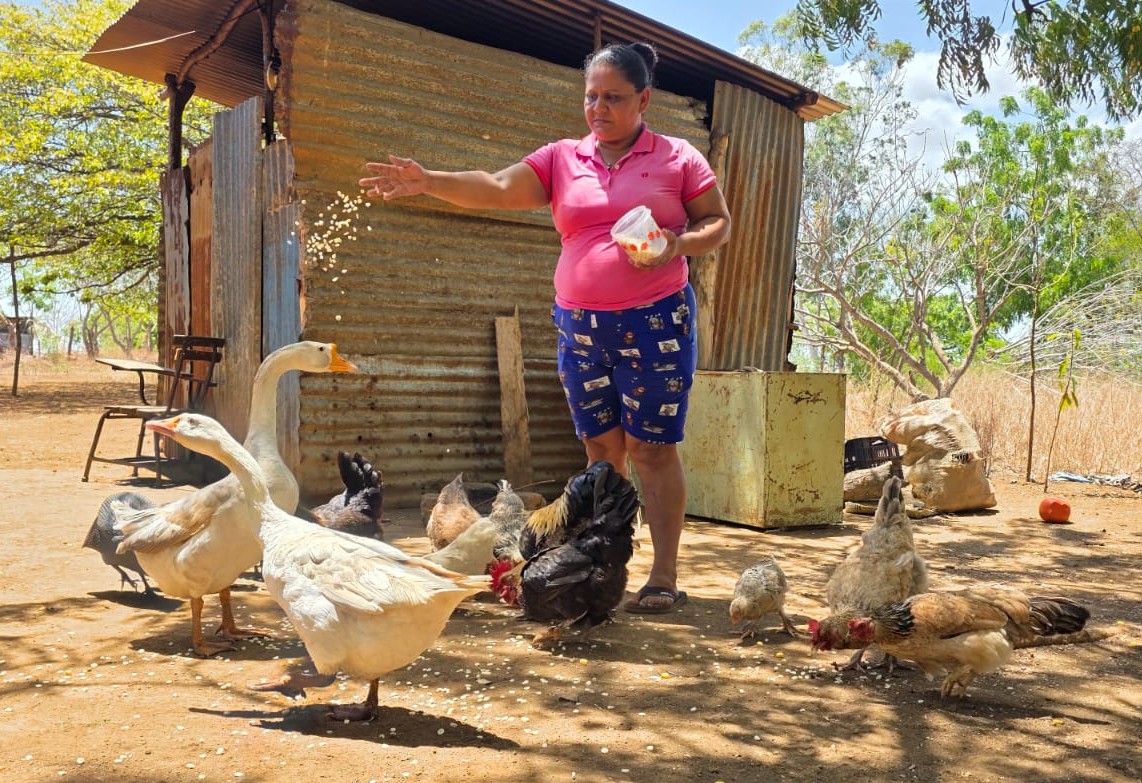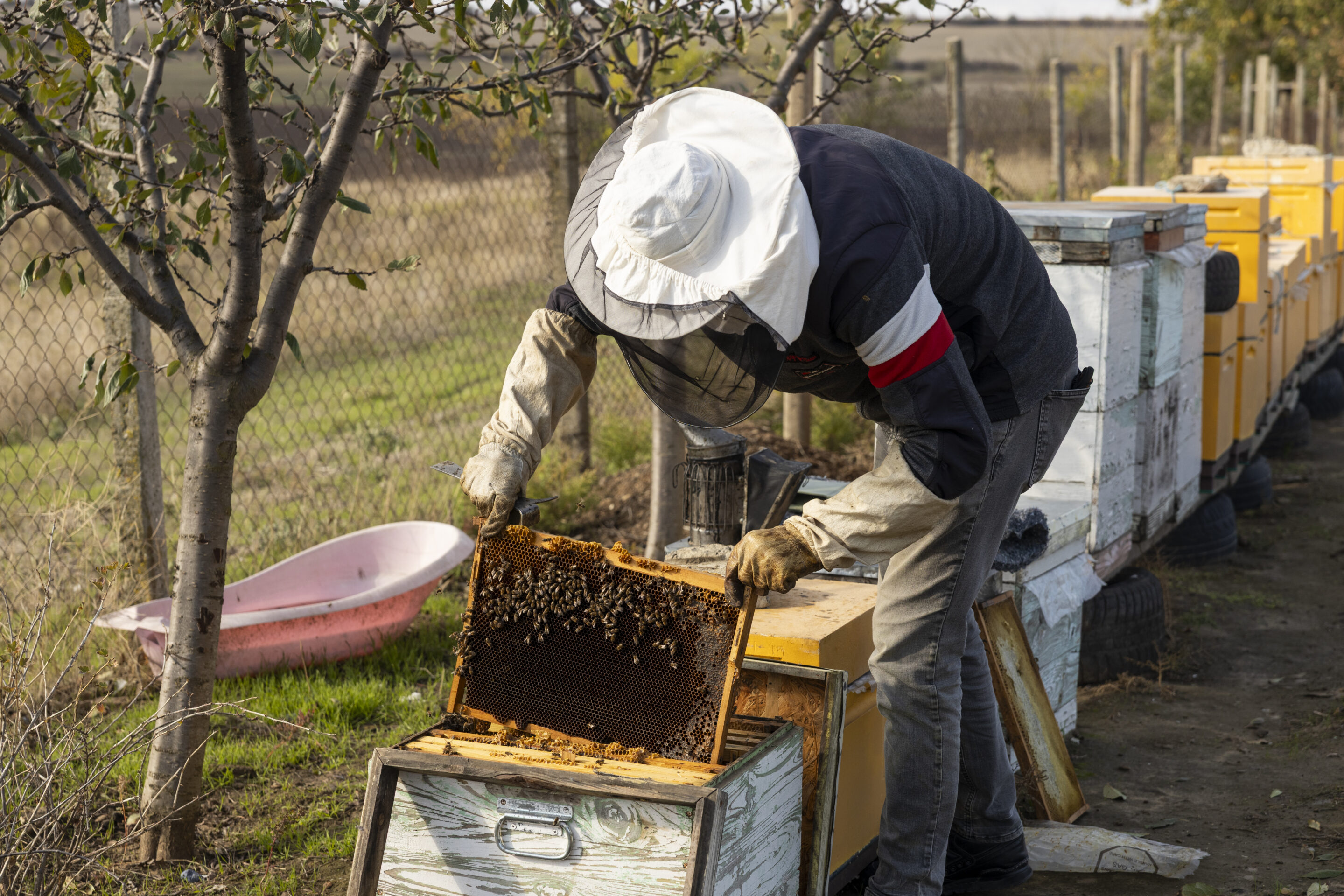







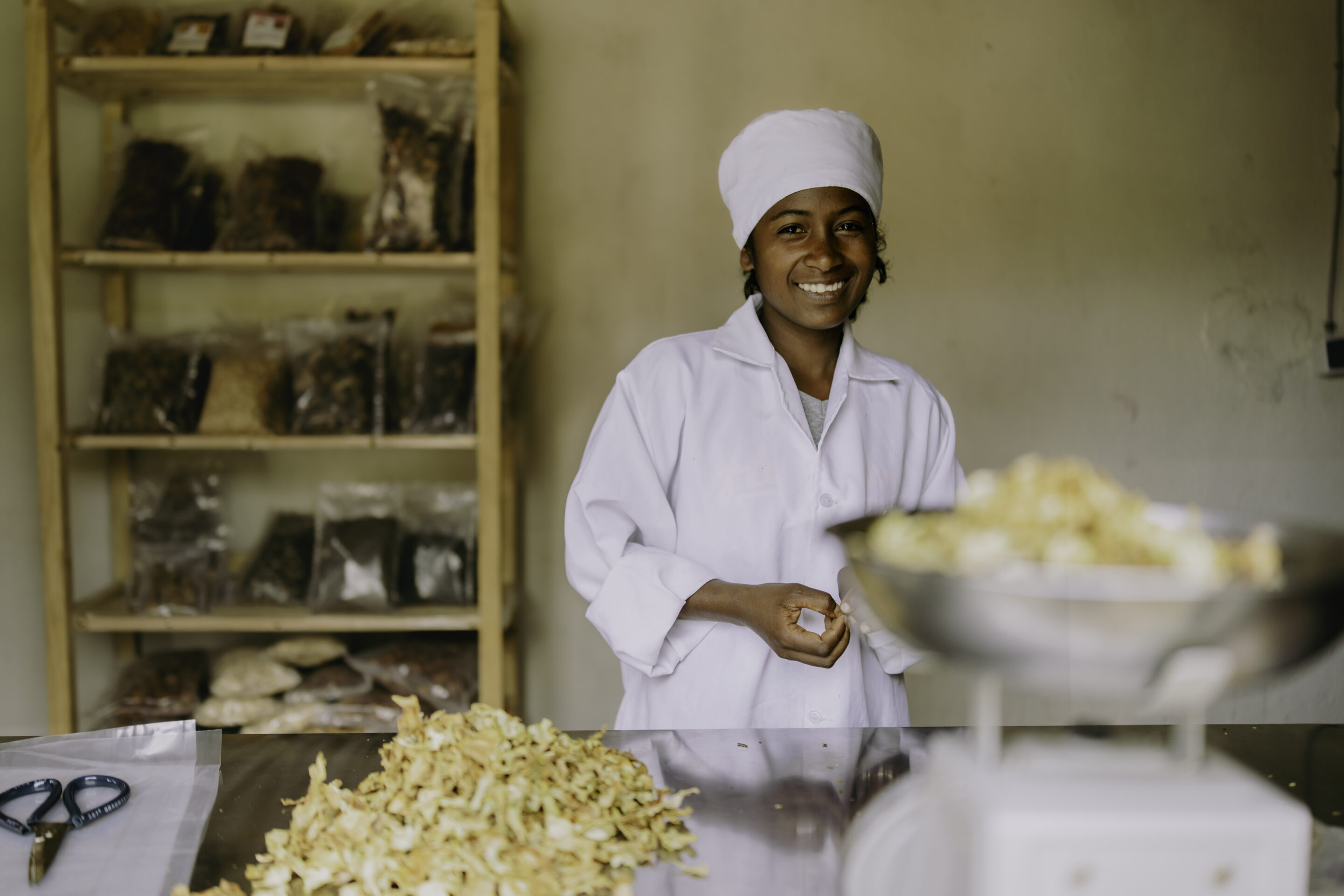
A group of 11 women in Madagascar is creating new opportunities for their families through the community’s first-ever vegetable drying unit.
Through a partnership with Convoy of Hope’s Agriculture program, they manage the firewood-powered dryer, preserving carrots, sweet potatoes, and onions while reducing food waste and extending the life of their harvests. They hope to expand production with the new opportunities they have been given.
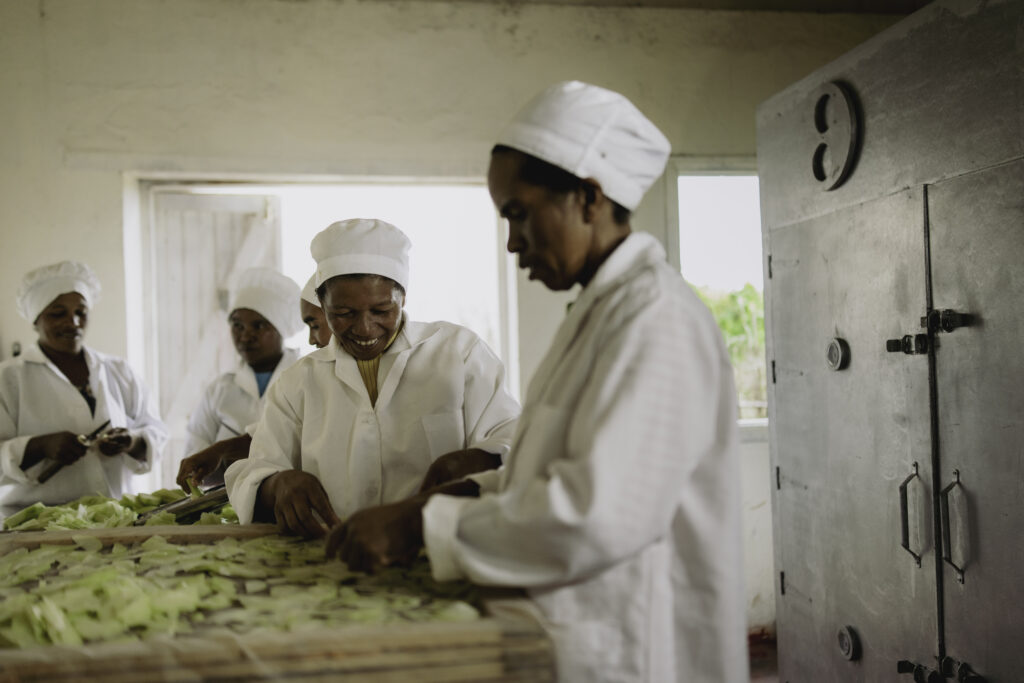
For the group, the dryer represents much more than new equipment. They now have a pathway to greater financial security and lasting stability in their community.
“We hope it will be extra income for our household and also add value to our agricultural products,” one member said. “In our community, for us to be a second breadwinner and support our husbands and families means so much.”
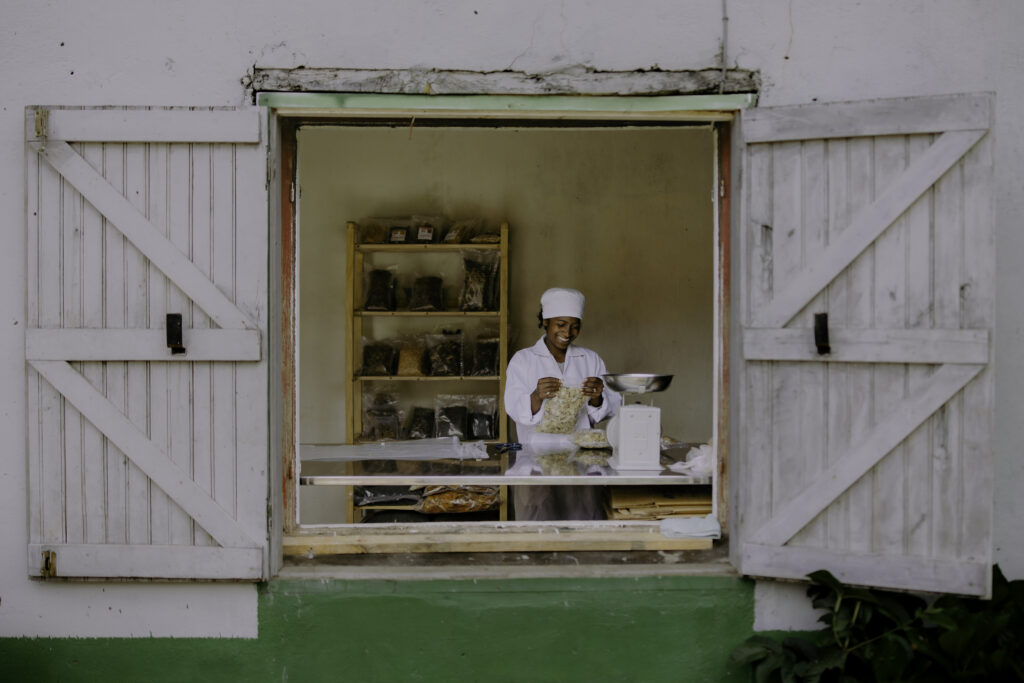
Convoy of Hope provided technical assistance, funding for the dryer, and renovations to the drying facility — including a new ceiling, door, window coverings, and a solar panel to power the dryer’s fans.
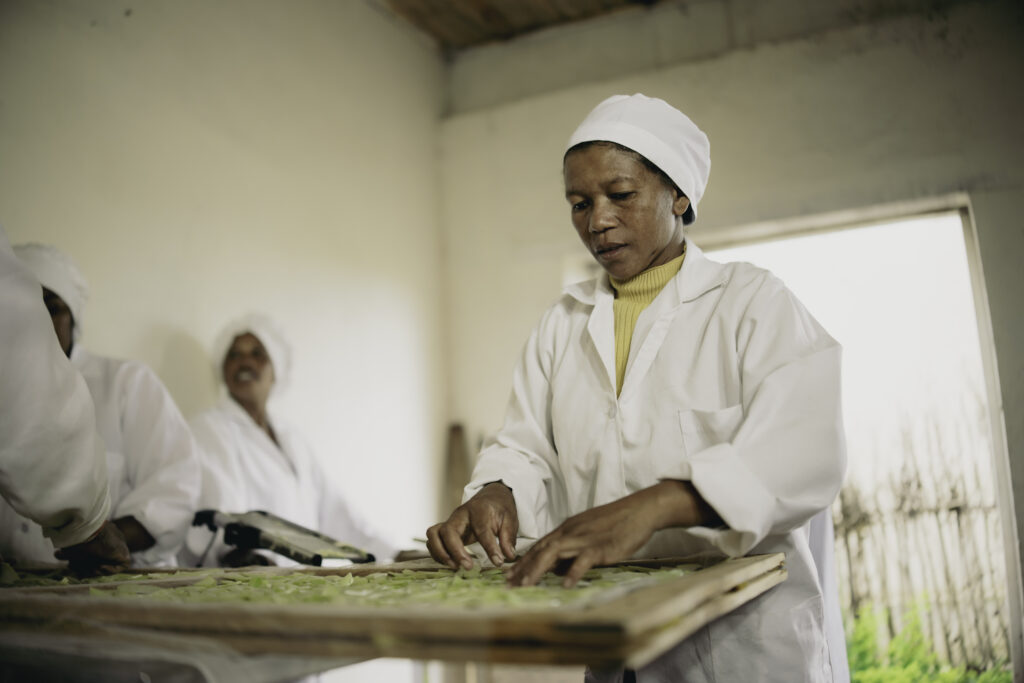
The women say the support has helped them build on years of farming experience.
“Convoy of Hope has helped us to go even further in our activities. We have farmed for many years, but Convoy of Hope helps us go the extra mile,” said one of the women.
The women say the changes have transformed daily life: “We are no longer in survival mode anymore with just enough to eat. We now have surplus to help our neighbors and community.”
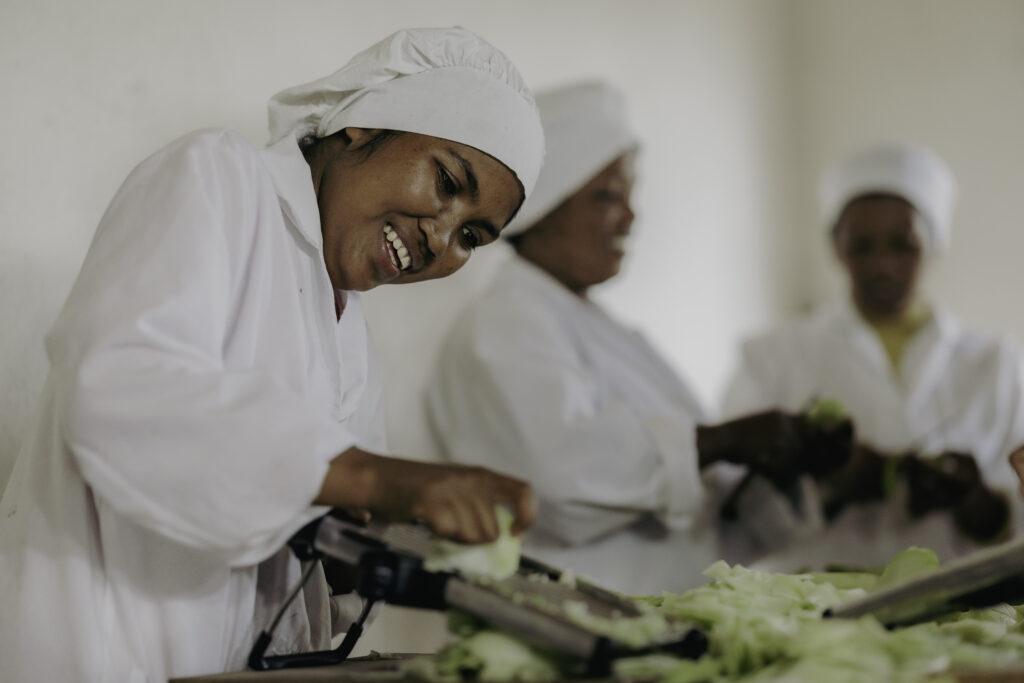
Their vision extends beyond their own households. The group hopes its work will help strengthen local food security for years to come.
“Thank you for not forgetting us even though we are so far away,” said one member. The help Convoy of Hope provides makes communities feel seen and supported, no matter the distance.