


Hurricane Ida Five Years Later: Memories of Hope After Destruction
“Just as fast as the news came, it went away — for everybody but the people living in it.”
Den Hussey saw Hurricane Ida’s impact firsthand in his community, as the secretary-treasurer for the Louisiana Assemblies of God.
In the aftermath, he and many other Convoy partners brought immediate help to survivors.
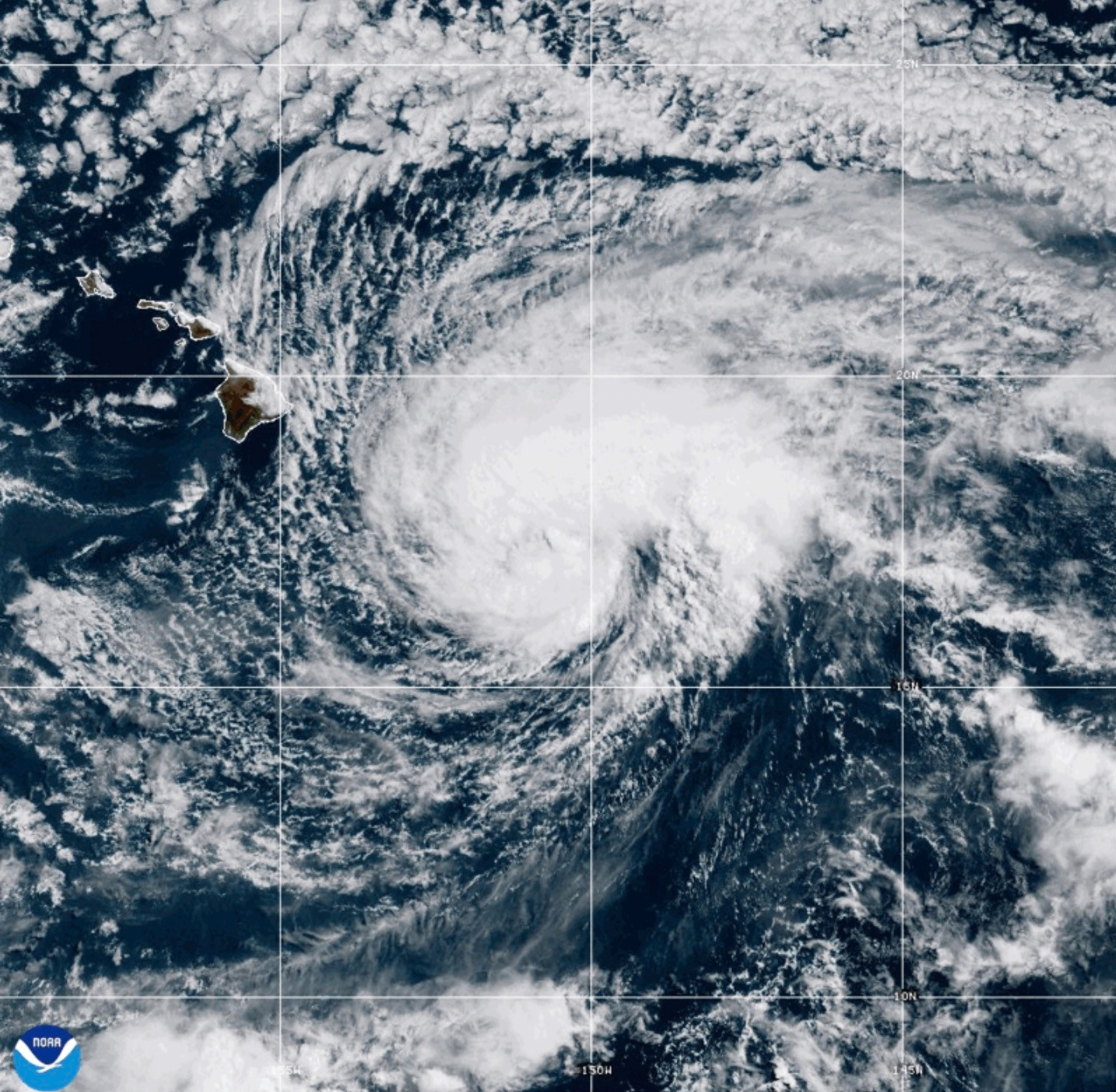
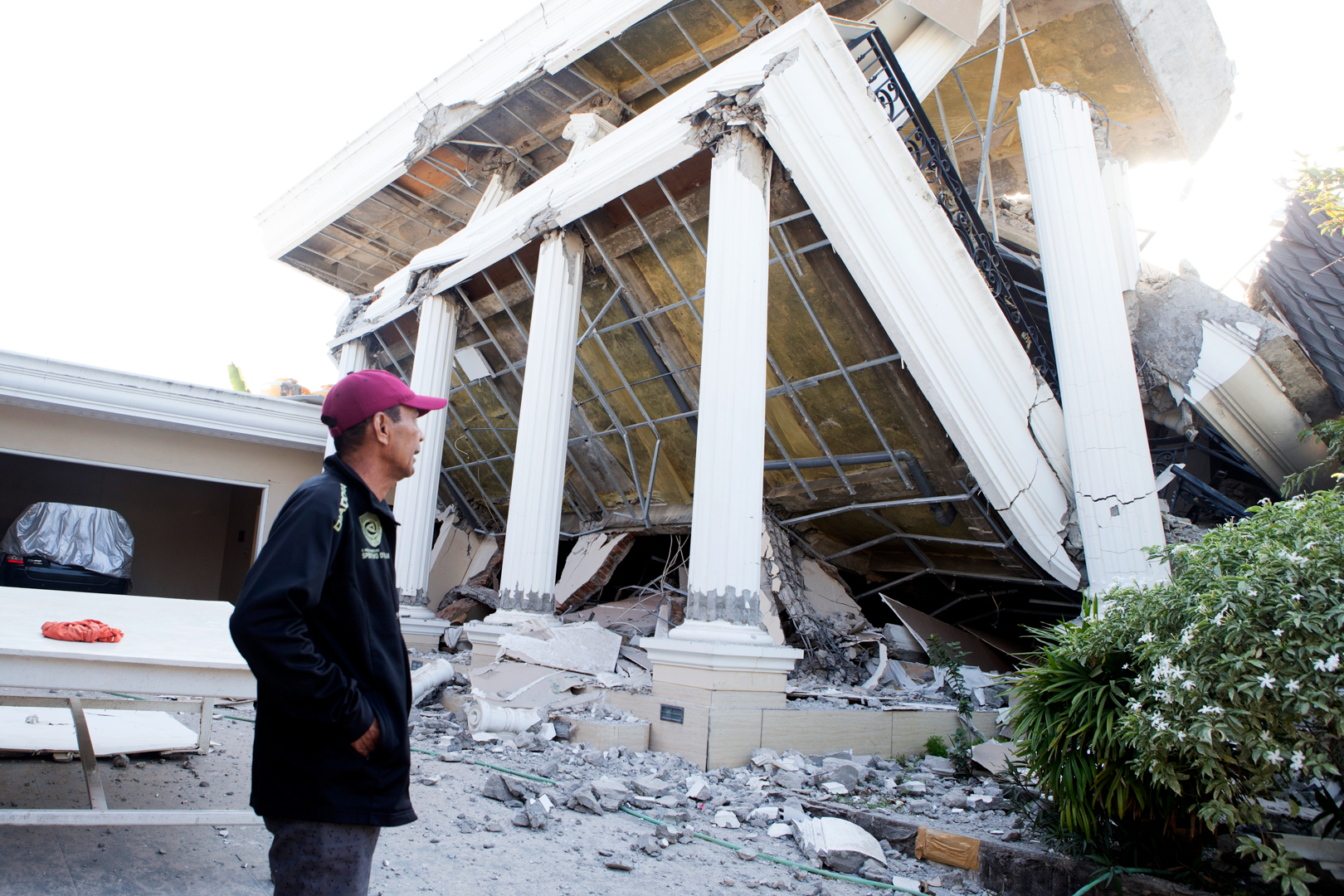
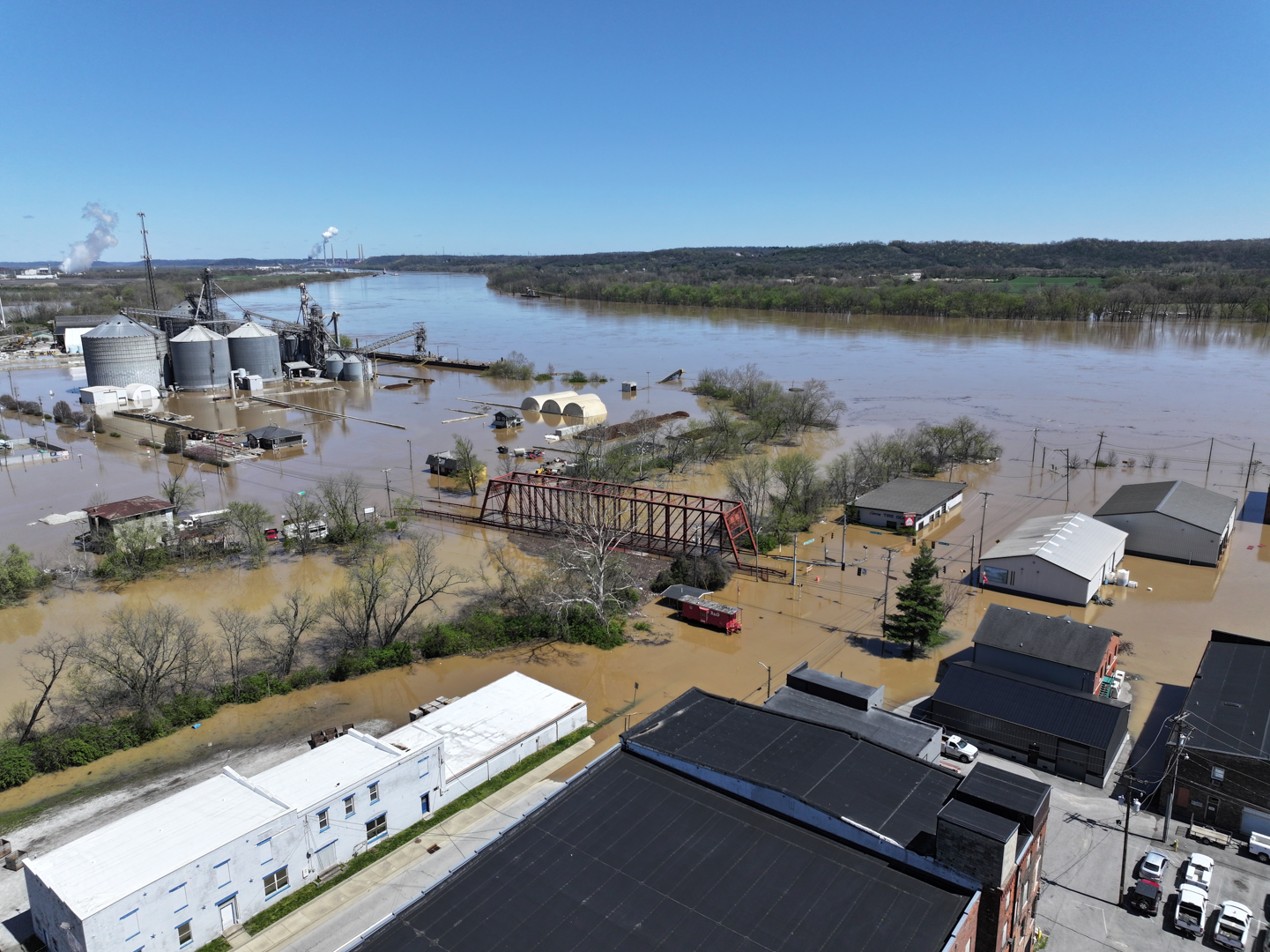
On August 29, 2021, Hurricane Ida brought devastation and loss across Louisiana communities. Striking on Hurricane Katrina’s 16th anniversary, the Category 4 storm became the second-most destructive hurricane in the state’s history. Families lost precious loved ones. Homes, businesses, and belongings were destroyed, with total damage surpassing $75 billion.
Convoy of Hope served in 68 affected communities, helping hundreds of thousands of people and distributing more than 4 million pounds of resources.
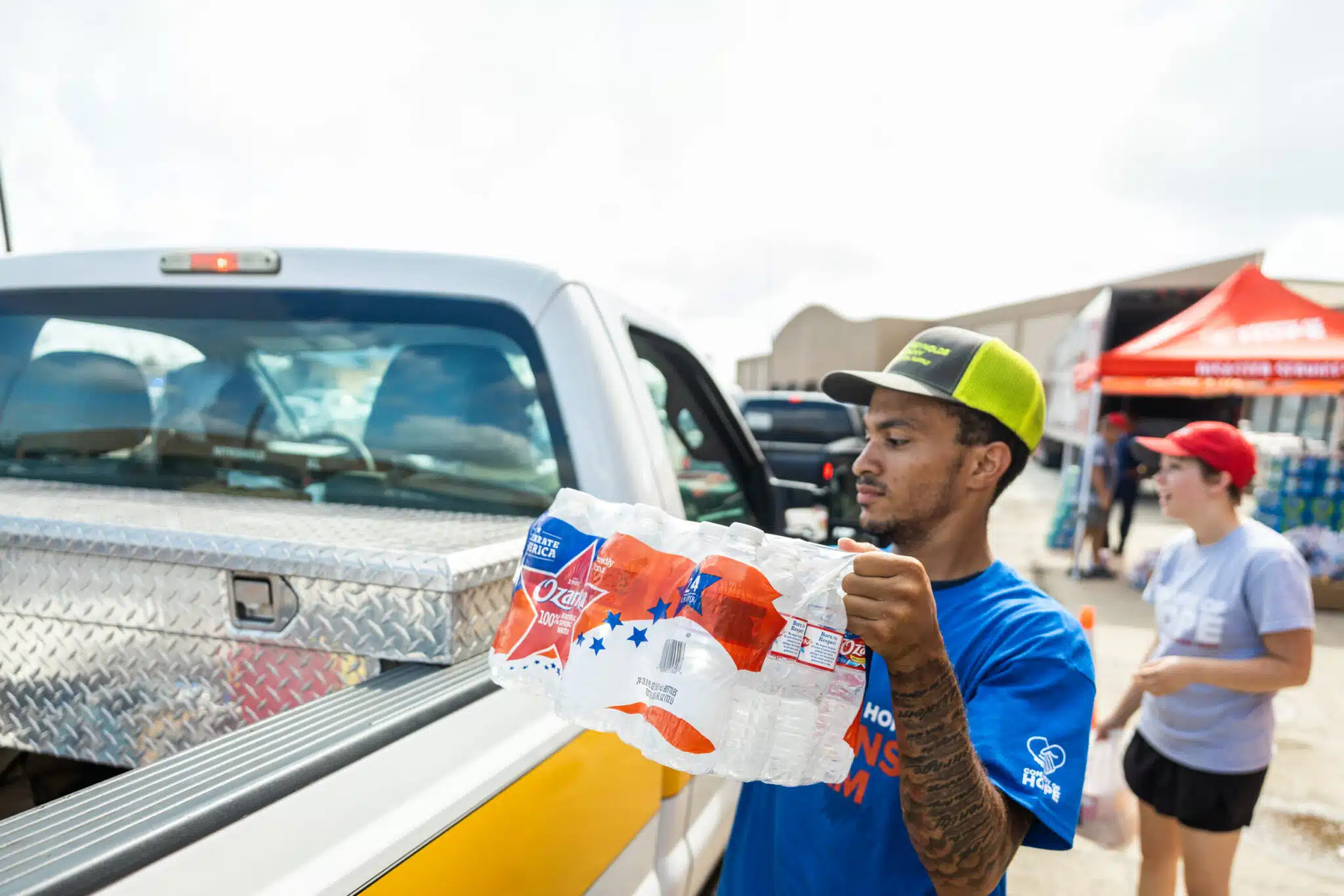
Throughout the first year of recovery, Convoy brought consistent support to survivors — with food, water, cleaning supplies, tarps, and other needed goods.
Pastor Packy Thompson remembers the days following Hurricane Ida’s landfall: “I knew that our people were going to be desperate for help. Food and water were going to be necessities. With a 100 degree heat index, people had to have water, so I knew that I had to focus on the community.”
The church building for Bayou Blue Assembly of God endured significant damage, so Pastor Thompson opened the parking lot instead, inviting people to come and receive essential items. Some stopped to talk with volunteers, finding comfort and a listening ear.
Clint and Claire Jett with Life Fellowship Community Church used the essentials they received from Convoy to open a free storehouse, where their neighbors could “shop” for necessary items in short supply after the storm.
“All the things Convoy of Hope supplied us with were very valuable to our community at a time when they needed it most,” the Jetts shared. “We were able to be that source of help, strength, and comfort.”
Convoy of Hope also engaged in projects to help neighborhoods rebuild their homes and livelihoods.
Healing has taken time, endurance, and close relationships.
“The long-term impact is not just the water or the food: it’s the hope,” Pastor Thompson said. “It gave hope to the community that people care — that people loved us enough that they showed up with a smile, glad to do it.”
Even five years after the storm, Pastor Thompson said his community still recalls the way they were cared for: “When you say Convoy of Hope, they say, ‘Yeah, I remember. They really helped us.’”
Den Hussey also shared his memories of care over years of partnership. “Convoy is there to see not only immediate disaster assistance, but to stay with you until you’re back to normal. My experience tells me this — it’s a signature of the mission.”
“Convoy left us better than we were before the storm,” Hussey said.
The pain of Hurricane Ida still echoes to some degree. But what stands stronger is a legacy of hope, created when friends and neighbors united for the long haul to rebuild what was lost.