
Convoy Is Responding to First Hurricane of the Atlantic Season
October 21, 2026 | 10:37 a.m.
Since Hurricane Isaias made landfall on October 9, Convoy of Hope’s aid has been making a difference in the lives of affected families.
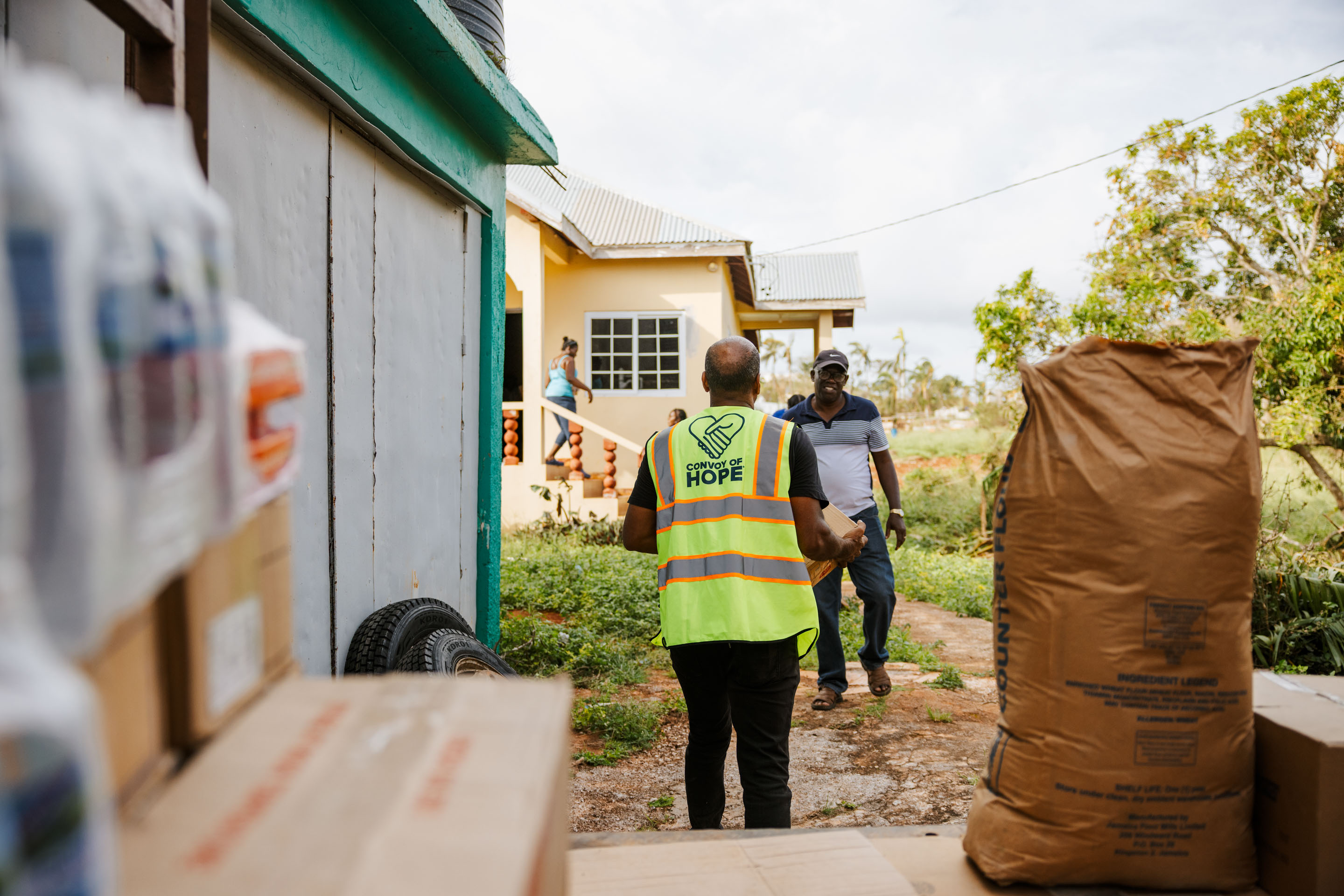
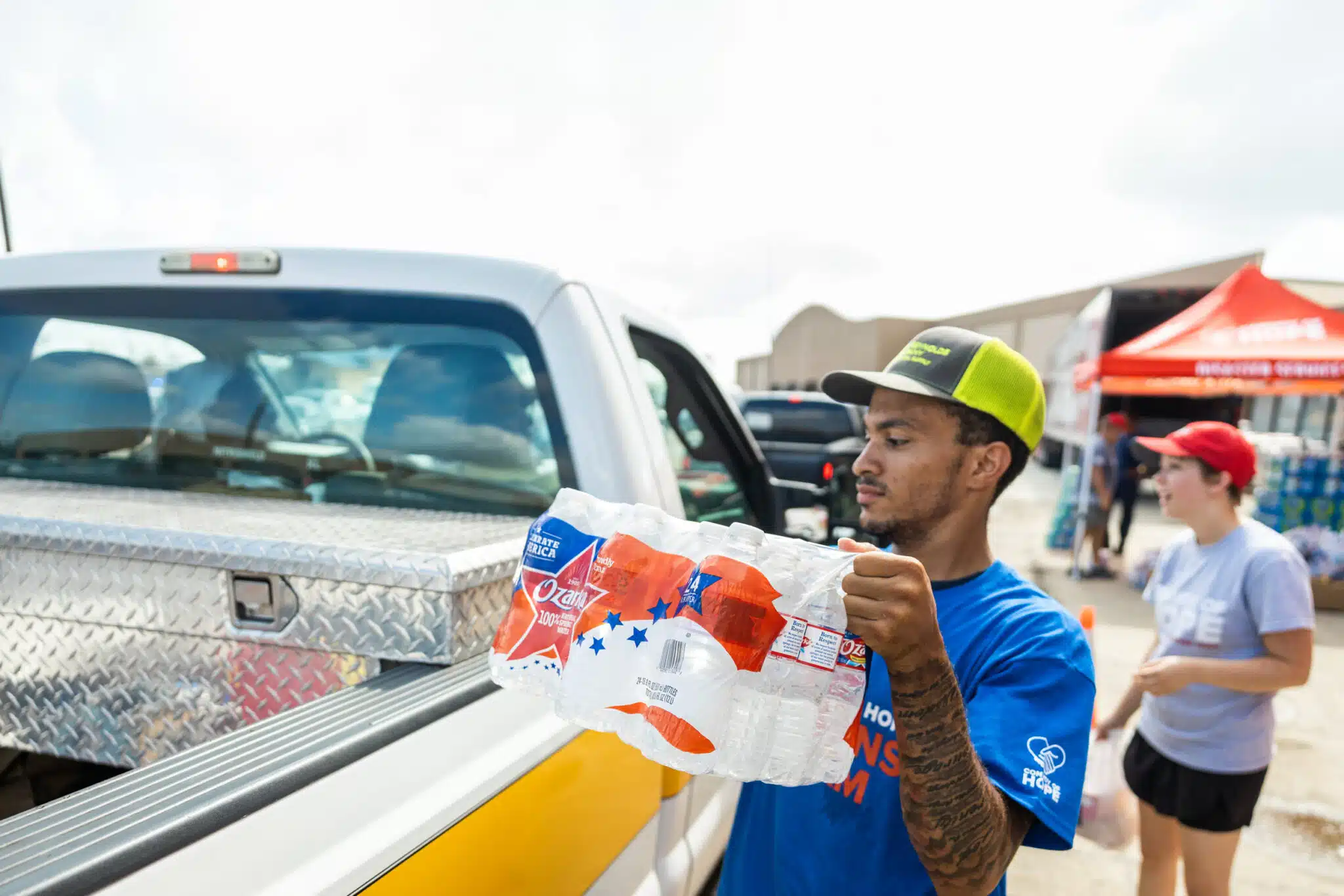
By operating drive-thru distributions throughout the Gulf Coast, we have put essential supplies in the arms of those in need, taking the time to listen and offer encouragement.
“Originally, they were saying for two or three days, things would be shut down. But it’s obviously going to be longer than that,” says George, a Florida resident. “I don’t think anybody expected it to be as intense and as bad as it was.”
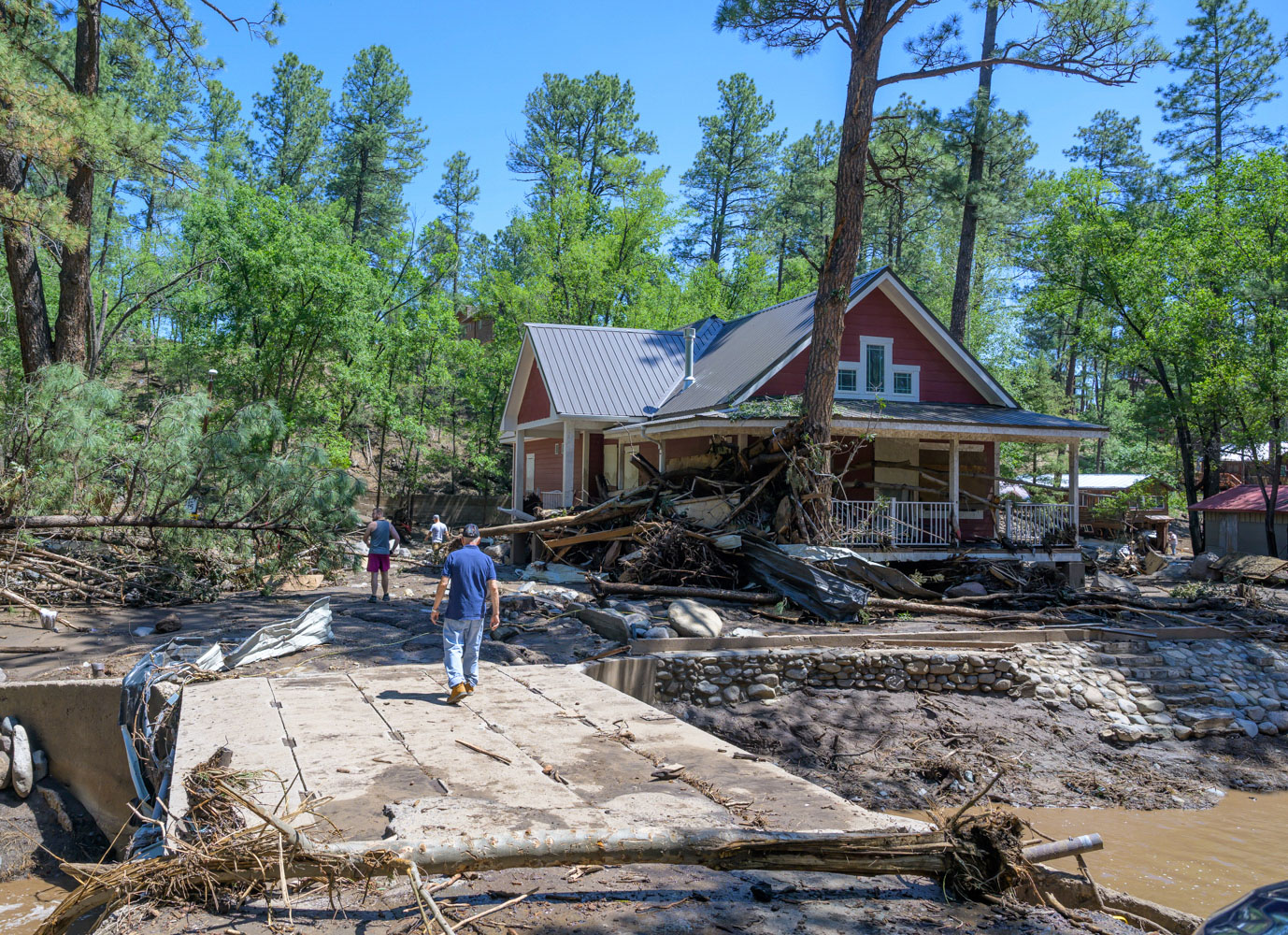
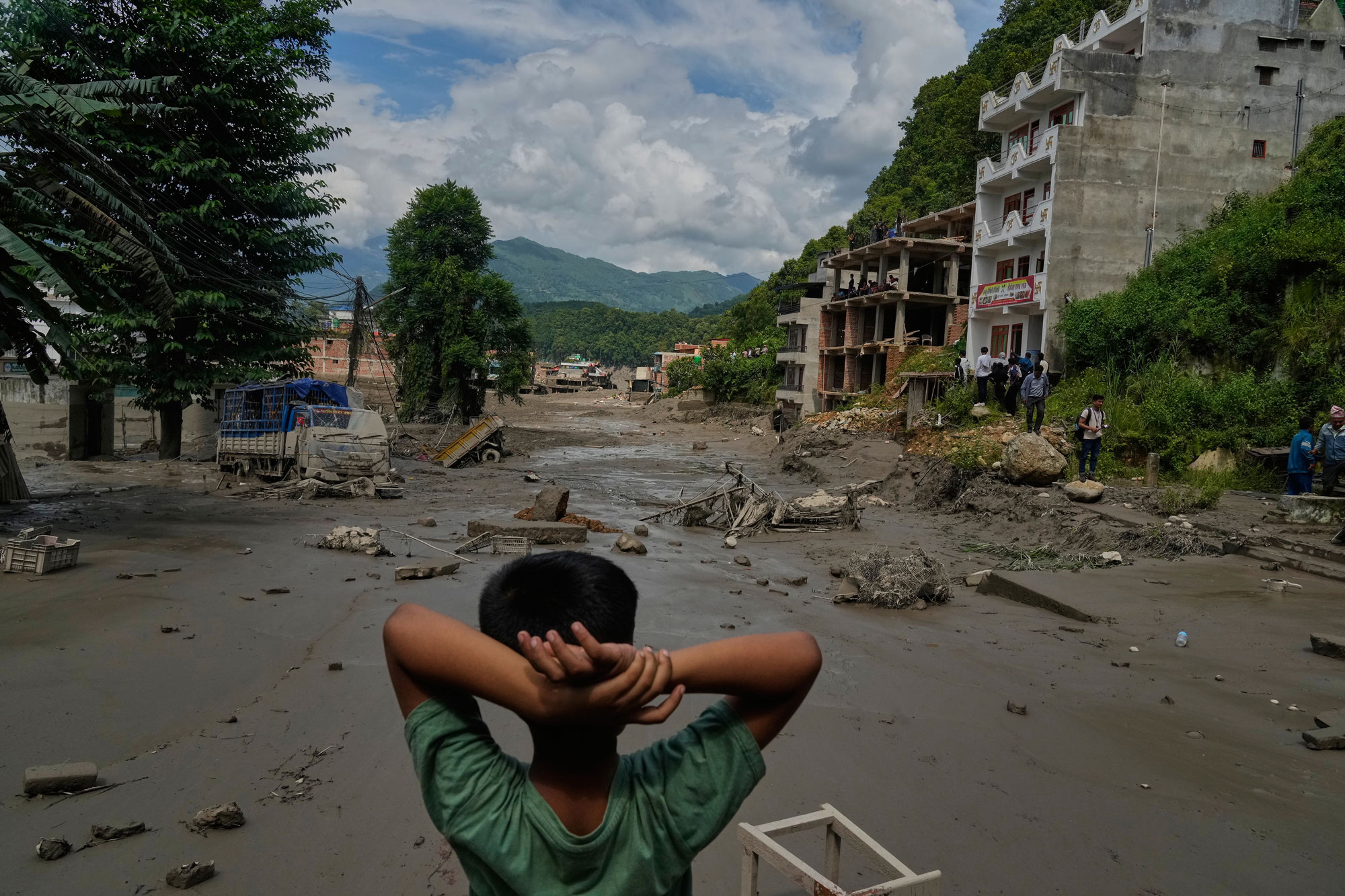
Relief workers are still clearing some roadways and disposing of debris from buildings. Fallen trees kept parks in Santa Rosa County closed to public access for days, with some areas still restricted. Thousands of structures will have to be repaired. Convoy of Hope is helping with cleanup and removing downed trees.
We are seeing a sense of normalcy gradually returning. Power has been restored for hundreds of thousands of residents.
George says that during the hardship of this disaster, he formed new friendships with neighbors whom he had not known before. “In trying times, any help that we can get is wanted and needed help,” he says. “It’s just a calming, relaxing feeling just to be able to say, ‘Okay, we have this now.’ It is a huge help.”
Convoy of Hope has delivered more than 1 million pounds of essential products to families affected by Isaias.
Communities still face a long journey ahead. But they won’t be navigating these challenges alone. Recovery is possible when it’s a team effort.
Deliver Hope to Survivors in the South
October 13, 2026 | 12:24 p.m.
Across the Florida Panhandle in the wake of Hurricane Isaias, residents are receiving essential resources while they brave the challenges of recovery. Convoy of Hope’s relief — including food, water, tarps, and supplies — is a much-needed source of encouragement and strength.
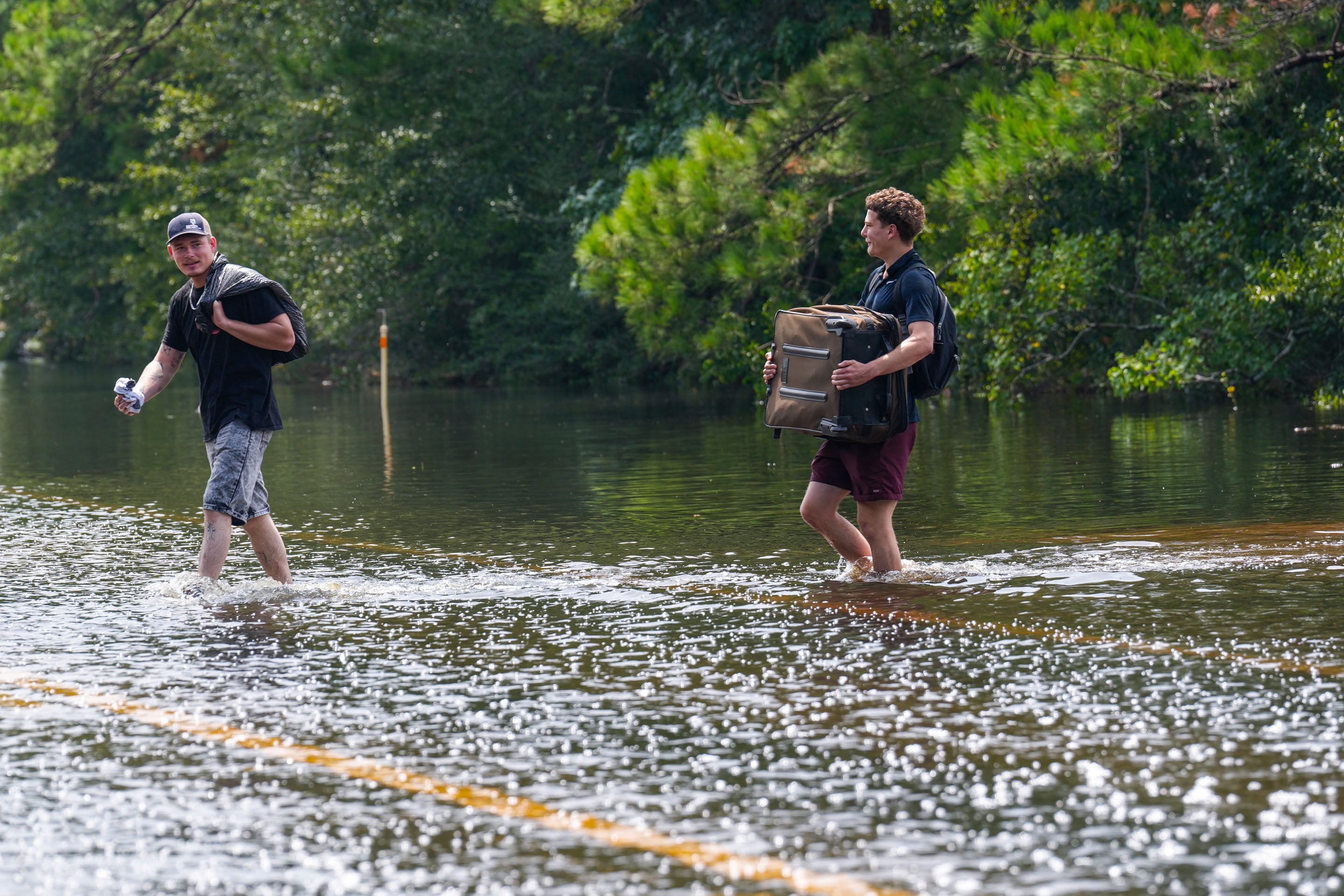
Many families lost their homes and were unable to travel the blocked roadways. Damage totals are reaching billions of dollars. Hundreds of thousands of people lost power. For the most vulnerable, that meant no water access.
“Our whole neighborhood had trees on houses, through roofs. It’s devastating,” said Stephanie. “We are on a boil water notice, so we can’t drink the water. So having that water [from Convoy] is phenomenal.”
As Convoy of Hope delivers ongoing aid, communities are starting to feel that healing is possible.
“It means everything to all of us,” Stephanie shared. “It means there are still good people out here trying to help one another — there are still people that care.”
In the weeks ahead, Convoy of Hope will continue to work across the Gulf Coast, bringing continued hope after the storm.
October 12, 2026 | 11:22 a.m.
“This is not my first hurricane,” Bill Brown told Convoy of Hope’s Disaster Relief team.
He had survived Hurricane Milton in 2024. But last Friday, on Oct. 9, Hurricane Isaias struck the Florida Panhandle and turned his community into a region of destruction.
Mobile homes were ripped apart. Trees fell, damaging roofs and blocking travel. Tornadoes popped up, bringing more damage. Hundreds of thousands of people lost power, making it difficult to fulfill daily tasks.
“We have no water, no way to cook anything — for my whole neighborhood right here,” Bill told Convoy. “Unless you have a big generator, you can’t do anything.”
Convoy of Hope was on the ground with rapid relief for families when Hurricane Isaias struck. We are distributing life-giving resources, especially to survivors in vulnerable areas. Relief kits, shelf-stable food, and bottled water mean hope for these individuals.
“You gave me food and water, and that’s what we need. This is a very small community, and everybody tries to do what we can,” Bill shared.
As affected communities look to the future, recovery can feel overwhelming. Bill lost his home, as did many others.
“My biggest thing is, where am I going to live? To be removed from your home is very traumatic,” Violet, another survivor, said. “I’m 70 years old. I don’t have any family here. So I appreciate you all so much. What you all are doing for us is a blessing.”
Convoy of Hope continues to deliver aid and care for people who are hurting in the aftermath of Isaias.
October 10, 2026 | 10:24 a.m.
On Friday evening, Hurricane Isaias strengthened into a major Category 2 hurricane and struck Destin, Florida, impacting regions across the Florida Panhandle, Alabama, and Georgia.
Two individuals lost their lives when trees crashed into their homes. Rescue teams are searching for those in need of help.
Trees are blocking roadways. High winds ripped roofs from buildings and homes. Powerful storm surges and up to 12 inches of rain flooded entire areas. More than 900,000 people across Florida, Alabama, and Georgia are without power.
In the hours before landfall, risks of high storm surge and tornadoes put families across the coast under states of emergency. Unusually warm coastal waters enabled Hurricane Isaias to develop, with winds exceeding 120 mph.
Four counties were given mandatory evacuation orders. Once-busy tourist spots were deserted. Along the Florida Panhandle, school, airport, and government closures followed.
Days before the storm arrived, Convoy of Hope sent team members, trucks, equipment, and supplies.
Convoy of Hope is distributing essential relief supplies to those most vulnerable after Isaias, as families begin to process the damage to their homes and communities.
In the weeks ahead, we will continue to meet survivors’ immediate needs with efficiency and compassion.
October 8, 2026 | 1:17 p.m.
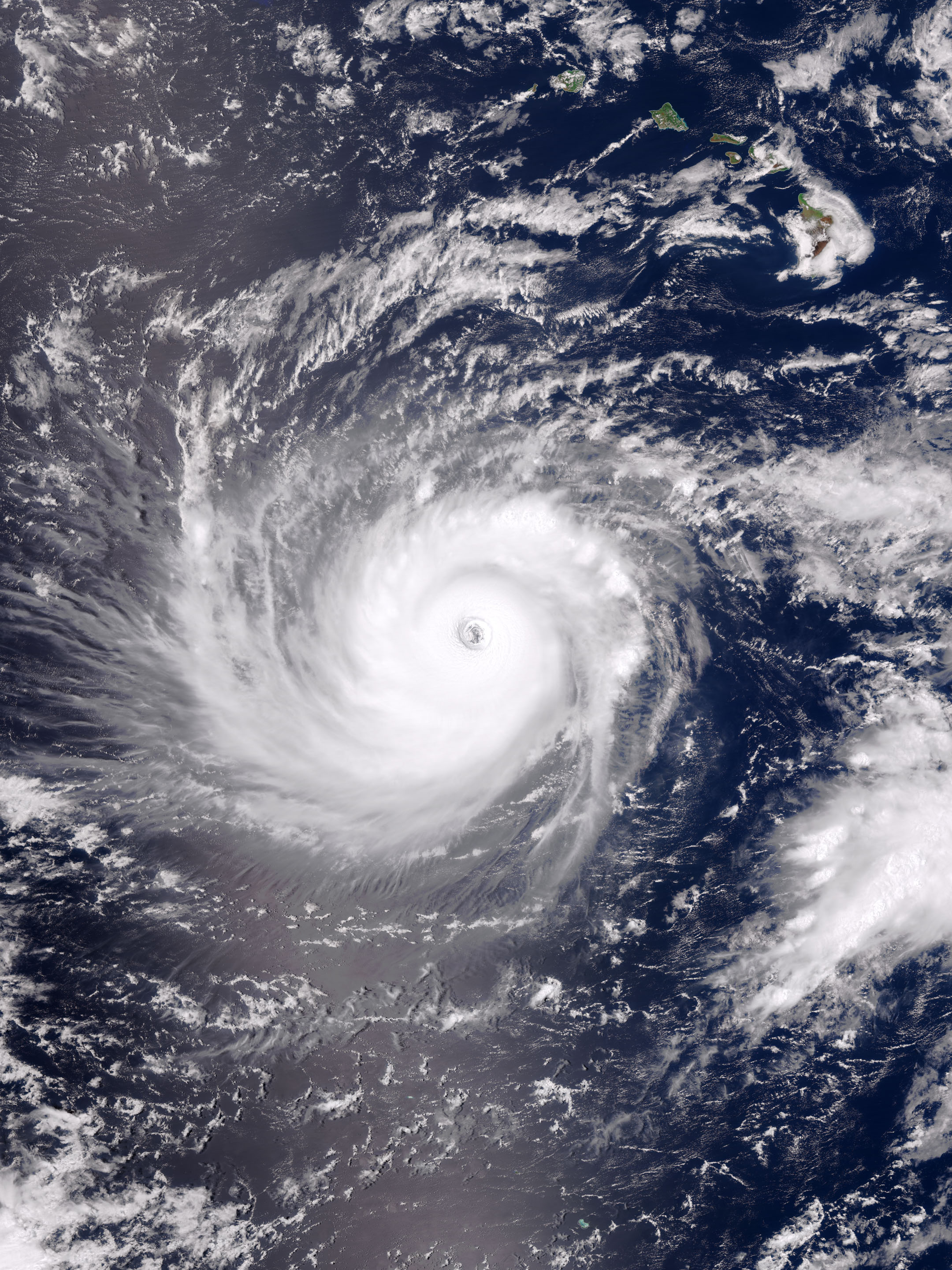
Isaias has intensified to a Category 1 hurricane in just the past day, officially becoming the first Atlantic hurricane of 2026.
When Isaias strikes — now months after summer has ended — it will be the latest-hitting Atlantic hurricane in over 120 years.
Winds are already surpassing 80 mph. High storm surges and risks of flooding threaten communities along the coast. As early as Friday, Isaias could reach Category 2 while making landfall.
Convoy of Hope’s team members are already in transit to the Gulf, where families across Florida and Alabama are under states of emergency, and millions of people are under hurricane warnings.
With essential supplies from Convoy’s Regional Distribution Center East, relief will quickly be available.
In 2024, Convoy delivered rapid, practical relief to communities after Hurricane Milton, the last hurricane to reach the U.S. mainland.
With Isaias on the horizon, we are bringing care, helping hands, and life-giving resources to families that will need it most.
October 7, 2026 | 5:15 p.m.
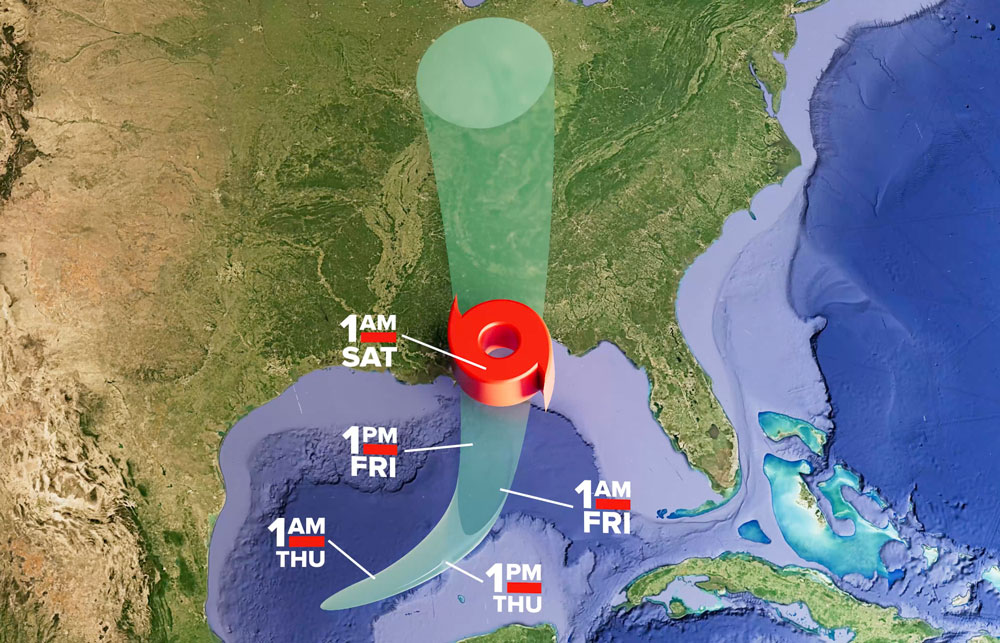
As Tropical Storm Isaias (pronounced ees-ah-EE’-ahs, according to the National Hurricane Center) strengthens in the Gulf, it’s expected to become this year’s first Atlantic hurricane to strike communities.
Roughly 30 million people across Mississippi, Alabama, Georgia, Louisiana, and the Florida Panhandle face risks of dangerous high winds and a damaging storm surge.
Isaias is predicted to make landfall as early as Friday evening, potentially becoming a Category 2 storm or higher.
Alabama Gov. Kay Ivey and Florida Gov. Ron DeSantis have declared a state of emergency spanning 65 counties.
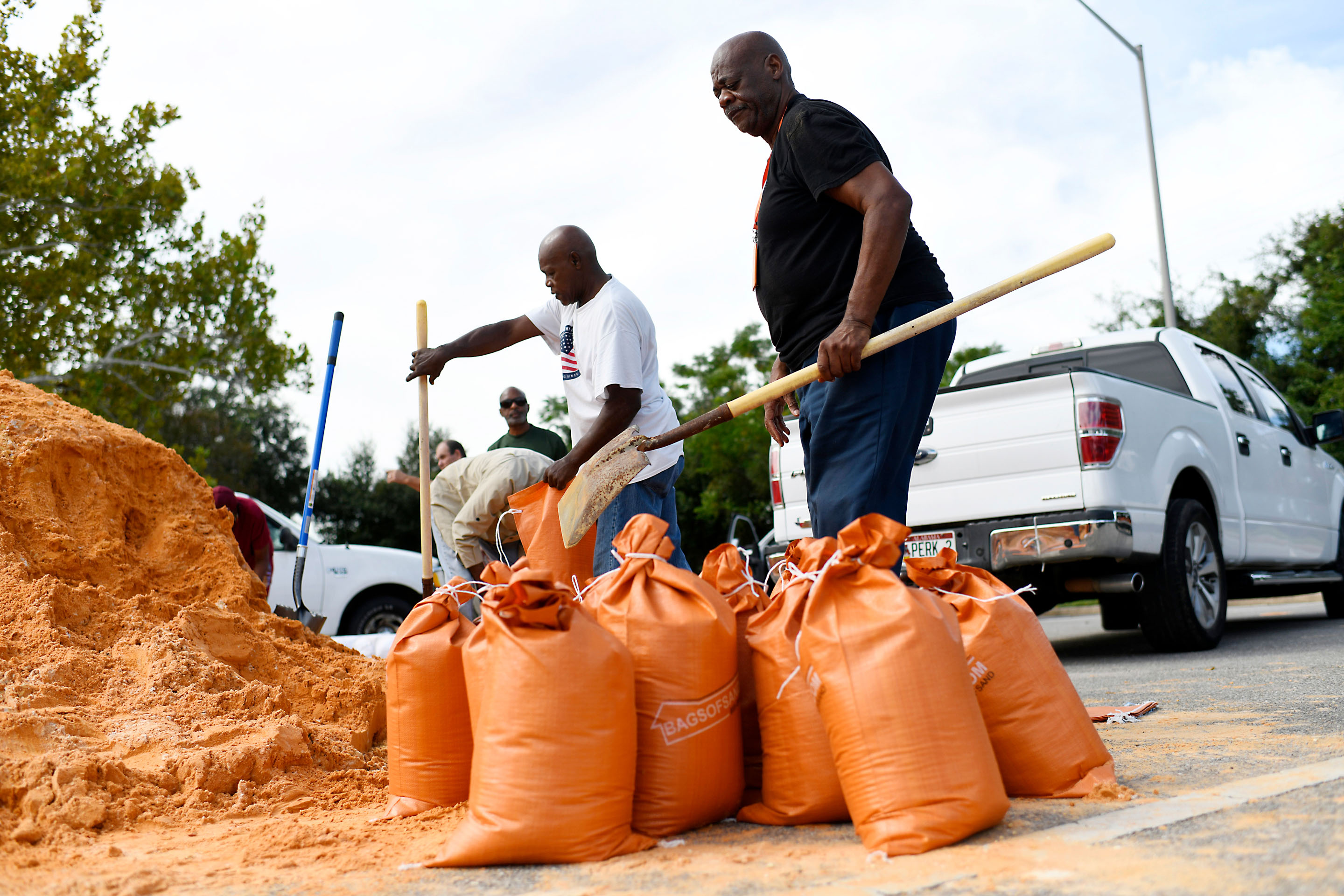
Neighborhoods are preparing for impact.
Convoy of Hope’s Disaster Relief team is sending aid from our Regional Distribution Center East in Atlanta, Georgia.
Together, we can ensure that communities that are in the path of the storm will not face this alone.