


September 30, 2026 | 12:23 p.m.
Convoy of Hope is still serving families in Nepal impacted by devastating floods. Together with our partners, we have distributed tens of thousands of meals.
Many people were working in their fields, at work, or running an errand when the floods struck their homes. They lost everything they owned.
Convoy is providing these families the essentials to rebuild their lives — sleeping mats, cook stoves with fuel, cookware, silverware, cleaning supplies, laundry soap, bedding, solar lights, and mosquito nets.
Though the road to rebuilding is long, Convoy continues to meet survivors’ needs and share hope.
Deliver Hope to Survivors in Nepal
September 3, 2026 | 3:03 p.m.
“Those who survived are going through a very traumatic situation.”
Pastor Samuel, Convoy of Hope Partner in Nepal
While grieving the sudden loss of friends, family, and loved ones, many survivors in Nepal are also suffering daily physical challenges.
“They only have one pair of clothes, what they are wearing,” Pastor Samuel, a Convoy of Hope partner in Nepal, said. “Nothing is left. They have no electricity — no telephone — and then what happens? They cannot purchase anything.”
Delivering essential supplies to these families is crucial.
On the ground in Rasuwa and Nuwakot, Convoy’s team members are distributing resources to survivors. Food, blankets, clothing, sheltering materials, hygiene items, and other supplies — have reached families.
With each distribution, the gravity of the aftermath is evident.
“Those who survived are going through a very traumatic situation,” Pastor Samuel told Convoy. “In some families, only one person survived.”
More than 1,252 individuals have lost their lives, and 4,200 people are still unaccounted for. Hundreds were injured, with many still hospitalized.
Thousands of structures that once stood securely were washed away, including schools, businesses, and at least 7,500 homes, with as many as 20,000 houses needing repairs. The Nepali Prime Minister stated that the disaster disrupted 431 megawatts of electricity generation capacity.
Even when survivors attempt to travel through the mud and debris, searching for an operational market or shop to meet their needs, the widespread lack of electricity means they have no access to their online funds.
Convoy of Hope is determined to continue providing life-sustaining help to survivors across Nepal.
September 2, 2026 | 3:13 p.m.
The true scope of the loss and damage in Nepal is emerging days after flash flooding and landslides swept through homes, roadways, and villages on August 26.
The violent disaster impacted 1.6 million people, according to Nepal’s Disaster Risk Reduction and Management Authority. Out of five hard-hit regions, the Rasuwa and Nuwakot districts suffered the most severe destruction. All main highways in Rasuwa are obstructed. Only three schools across Rasuwa, Nuwakot, and Dhading are safe for students, after eight were destroyed and eight more partially damaged.
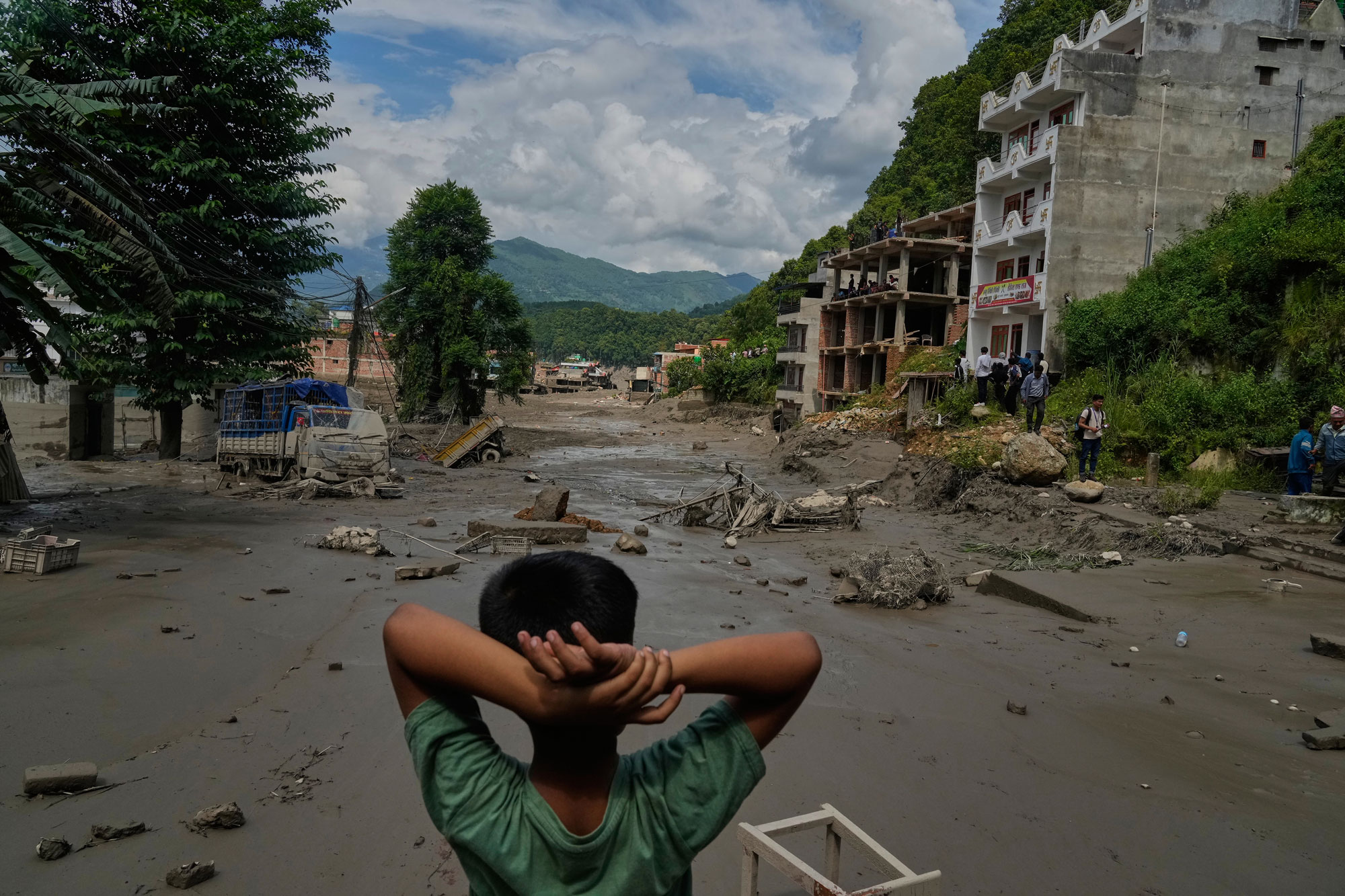
Emergency rescuers are fighting the thick mud clogging roadways, with 41 bridges entirely washed away.
Sadness and stress are palpable across the districts. Unidentified bodies are being held in 21 hospitals and in temporary graves while families search for their lost loved ones. The Associated Press said some survivors are holding symbolic funerals, lighting small piles of wood for peace and remembrance.
Children especially are experiencing high levels of distress after witnessing the tragedies in their communities. This shock and hurt will not be quickly healed.
Amid the sorrow, there are still signs of hope. Even one week after the disaster, 110 more people were saved from the destruction, according to BBC News. In total, more than 12,000 people have been rescued.
Convoy of Hope’s essential aid continues to reach children and families through food, water, fortified milk, sheltering kits, cleanup supplies, and personal hygiene items. Survivors are receiving vital resources that will sustain them as they cope with the difficult realities of the future.
September 1, 2026 | 1:18 p.m.
After living through the devastation of flash flooding in their communities, 43,000 women in Nepal are increasingly vulnerable and are in urgent need of humanitarian aid, said a spokesperson for UN Women.
While mourning their lost loved ones and losing their homes and communities, these women are now at risk of being exposed to exploitation, lack of privacy, and harm. Around the globe, women experience heightened risks to their safety when disasters strip away resources and support. Some are pregnant and caring for small children.
For all survivors in Nepal, the steps ahead are difficult. The number of the missing has risen to nearly 4,000 individuals across 62 districts. More than 1,050 have died.
Due to impassable roads, dangerous circumstances, and a lack of electricity, more than 14,460 people in hard-hit regions still wait for help, according to Nepal’s National Disaster Risk Reduction and Management Authority.
As Convoy of Hope continues delivering crucial relief to survivors, sheltering materials and hygiene items will help women protect themselves and restore dignity.
August 31, 2026 | 2:48 p.m.
More than 90,000 people need help in the aftermath of flash flooding and a 5.2-magnitude seismic event that struck communities in Nepal on August 26.
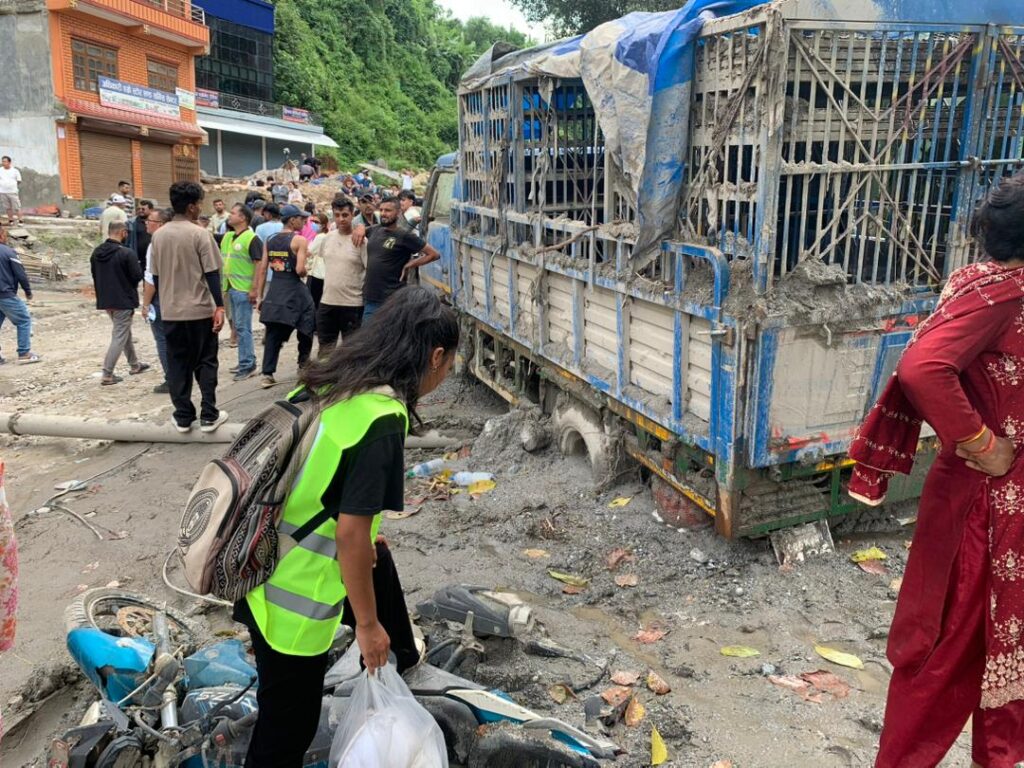
Some are trapped in remote locations. Some are still searching for missing family members. Officials are working to recover the bodies of those who lost their lives and were swept downstream.
The disaster’s death toll almost doubled over the weekend, now at 903 confirmed deaths. The number of people reported missing has significantly risen as well; Nepal’s disaster agency has listed 4,247 names.
Thankfully, more than 10,000 people have been rescued, but the situation remains volatile. Additional rains in the forecast could bring more devastation.
With every day that passes, the chances of finding survivors grow more remote. As many as 500 workers may still be trapped in a dozen hydropower project tunnels. The workers called for help during the initial flooding, said The Associated Press. Six days later, they could be running out of oxygen. Every hour is critical for rescue efforts across the region.
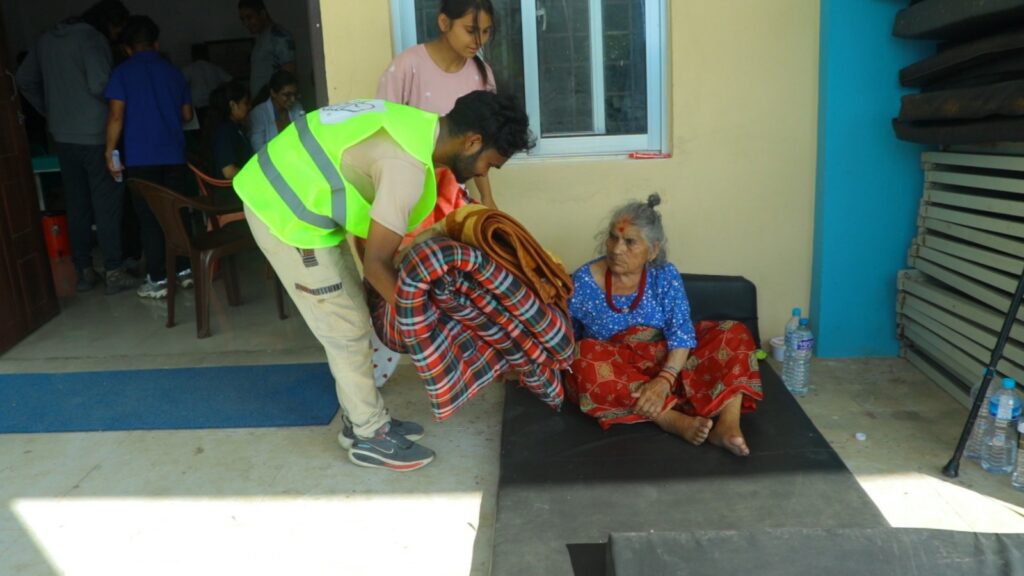
Convoy of Hope is distributing essentials for immediate relief — blankets, sheltering supplies, shelf-stable food, and fortified milk for children. Through these practical items, hope is reaching these hurting communities.
August 29, 2026 | 9:54 a.m.
The situation is dire for survivors of the flash flooding and severe landslides in Nepal, prompted by weather changes and the collapse of a glacial chunk as wide as 2,000 feet across.
The massive flow of boulders, gravel, ice, and sand destroyed everything in its path. The impact was like “liquid concrete,” Hatim Sharif with the University of Texas at San Antonio told CNN.
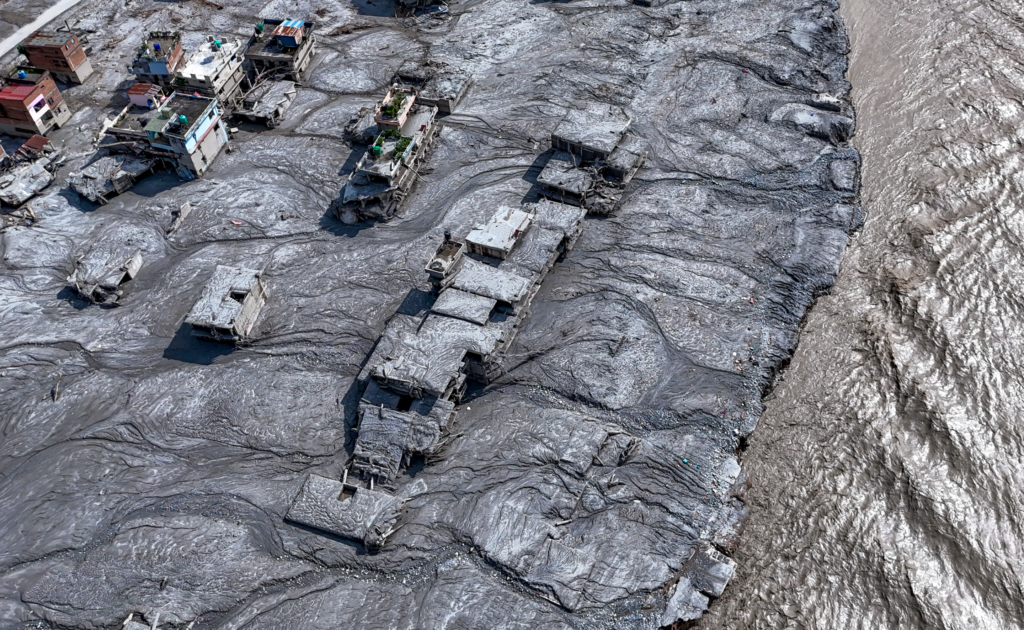
Tens of thousands of people are stranded, waiting for help. The death toll has climbed above 600, and at least 2,500 people are still missing. Loved ones continue to check online updates and lists posted outside local morgues and hospitals.
Rescue workers are navigating the constant risks of steep, flooded Himalayan terrain. Helicopters have lifted at least 3,000 people to safety. The floodwaters formed a new lake which burst on Friday; now, another lake is forming that could do the same.
The disaster gave no warning. People ran for their lives, unable to retrieve any essentials from their homes.
One survivor told Convoy of Hope, “People don’t even have a toothbrush.”
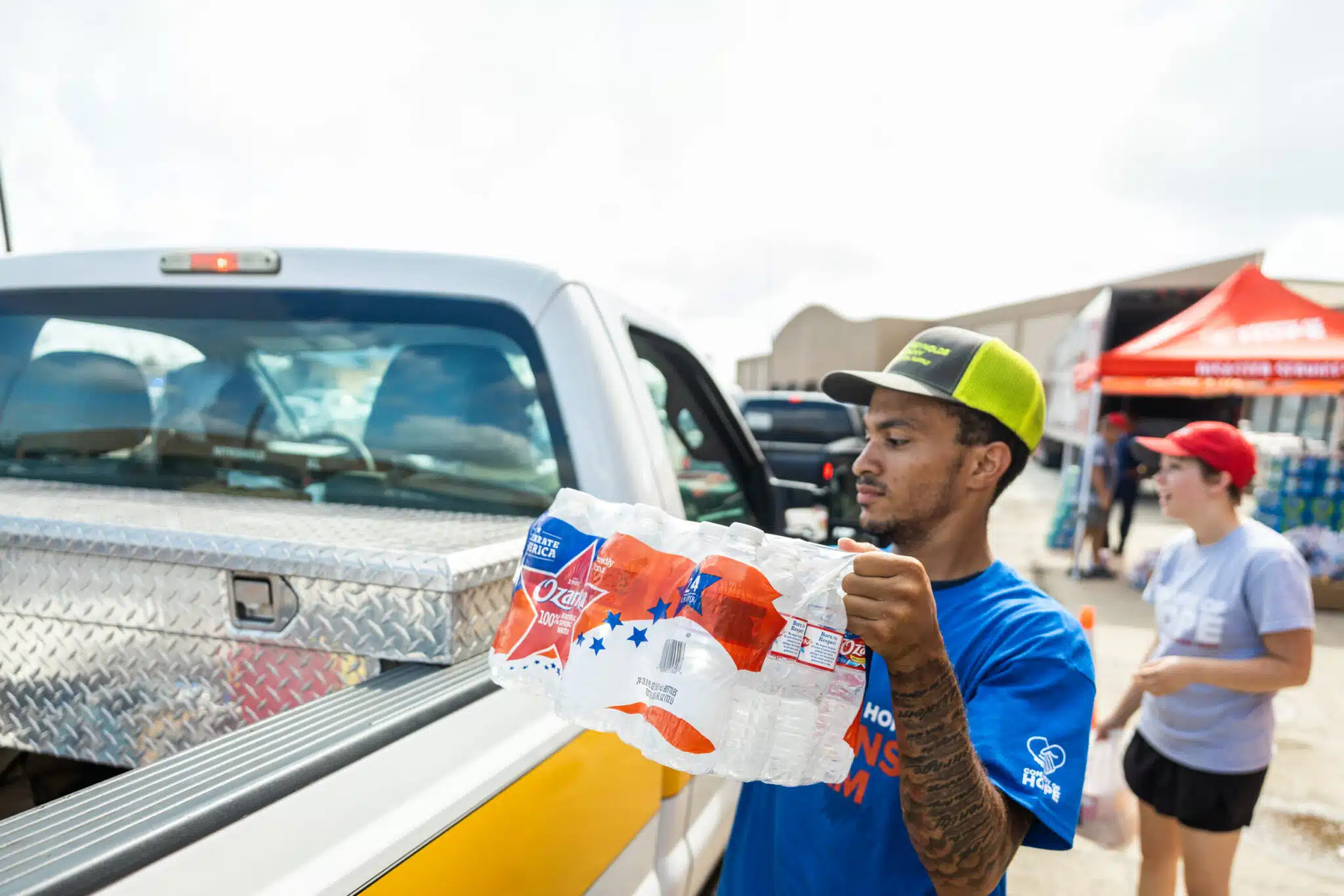
Convoy of Hope is distributing food, clean drinking water, sheltering materials, and personal hygiene kits.
As local stores, homes, and resources were washed away, survivors’ needs can only be met through outside kindness. Convoy of Hope remains committed to serving impacted communities.
August 27, 2026 | 11:03 a.m.
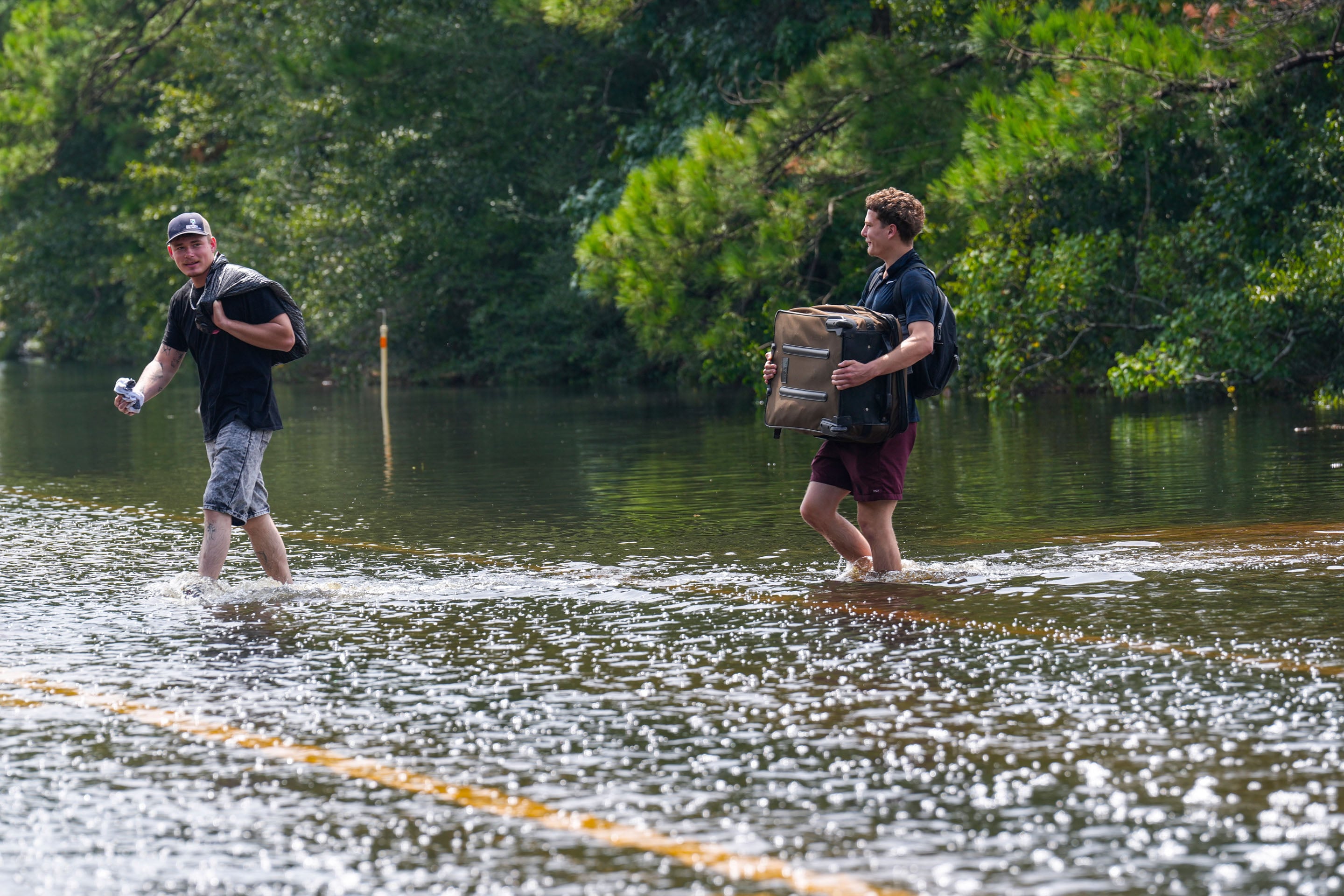
With loved ones missing, homes submerged, and high waters blocking off remote areas — families in Nepal are in need of hope after the flash floods and landslides of August 26.
More than 350 people have died. At least 1,300 are missing — including travelers from more than 30 countries around the world. Search-and-rescue efforts continue on the ground and in the air.
The U.S. Geological Survey attributed the devastating floods and landslides to a glacial collapse and debris flow that caused subsequent catastrophic impacts downstream.
The disaster hit during Nepal’s active monsoon season. Additional storms forecast for the upcoming days could further destabilize the soil. A lake of rising water has formed, prompting fears of more flooding if it bursts its banks.
Convoy of Hope is bringing life-giving food kits to families, along with fortified milk to help sustain children.
Despite power outages and almost impassable roadways, we are working on the ground to deliver necessities to survivors.
As survivors confront the uncertainties of the days ahead, we will bring tangible care and encouragement.
August 26, 2026 | 5:11 p.m.
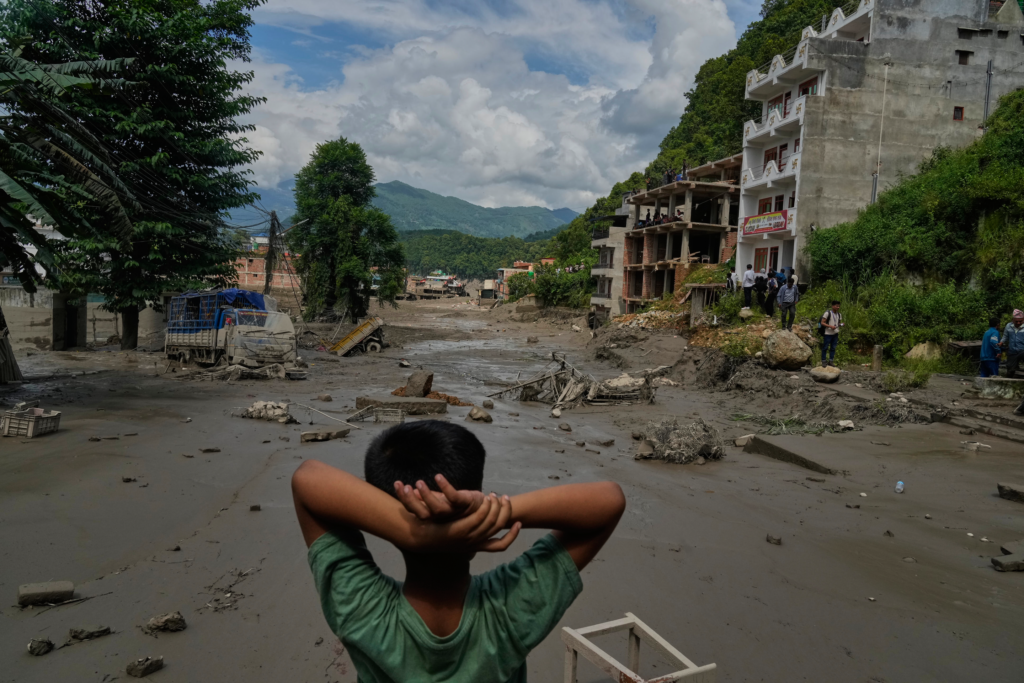
On August 26, violent floodwaters tore through entire communities along the Nepal-Tibet border in an event so strong it first registered as a 4.4-magnitude earthquake.
Now labeled a 5.2-magnitude landslide paired with flash flooding, the rapidly-moving mud, debris, and floodwaters are causing devastation for local families and travellers.
At least 160 people have died. The total loss of life could run much higher, as hundreds are likely buried beneath the destruction. Among those still missing are as many as 500 tourists, including at least 54 Americans.
Homes and bridges collapsed. Roadways are too flooded for many survivors to evacuate. Rescue helicopters are working to save those they can find while some people wait at higher ground or grasp onto tree branches.
The breadth of the flooding’s destruction is still being measured.
Convoy of Hope is responding with urgency, sending essential aid to individuals who have survived this shocking and painful hardship.