






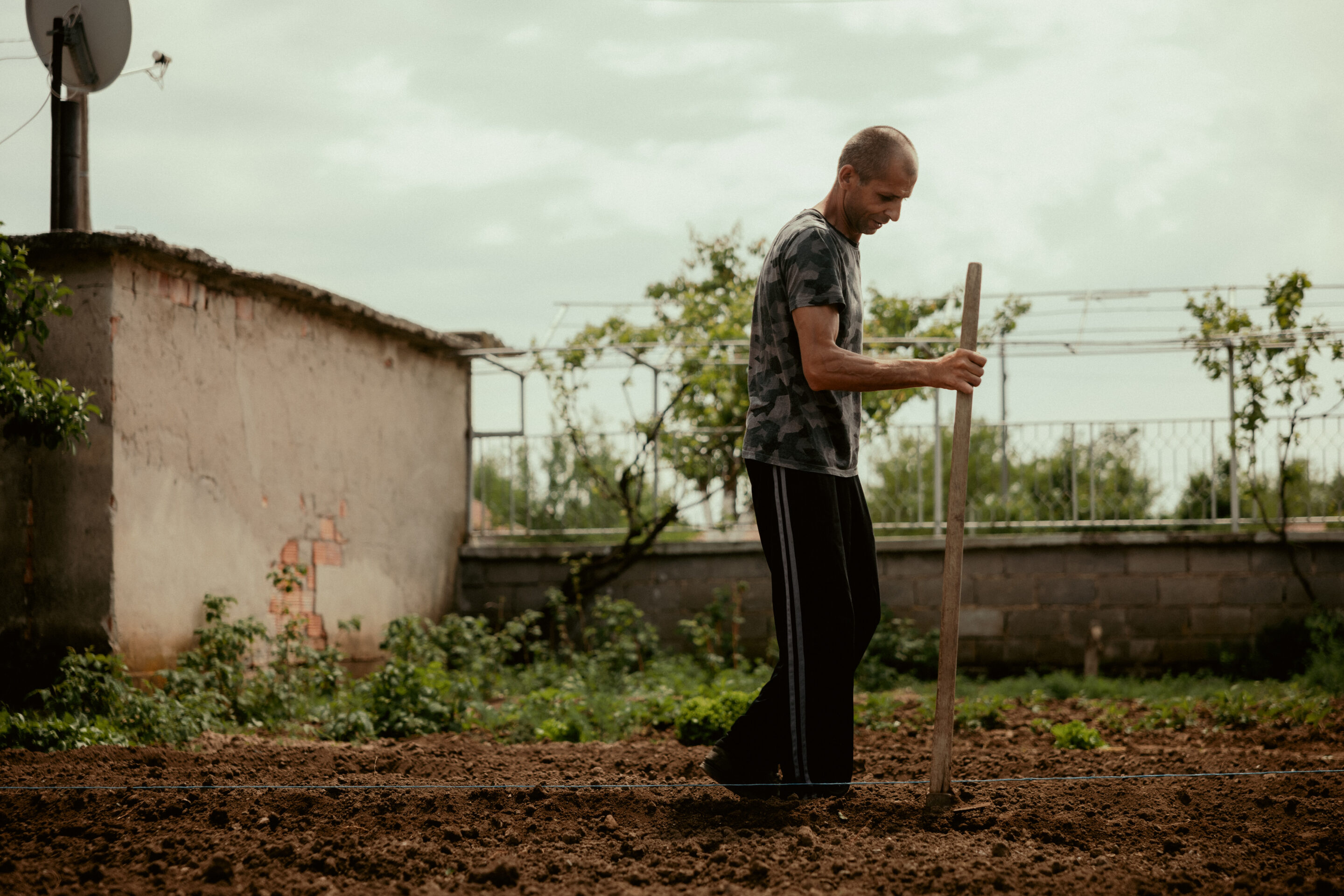
Each person matters wherever Convoy of Hope serves
This article originally ran in Hope Quarterly 40.
“We need help here,” the man pleaded with an Associated Press reporter. His village in eastern Afghanistan lay in ruins after a 6.0 magnitude earthquake killed some 800 people in the region.
Aftershocks would follow the initial August 31 event, with a 6.2 magnitude quake hitting on September 4. By then, more than 2,200 people had lost their lives. With more than 5,000 homes destroyed in 49 villages, some 40,000 people lacked food and shelter.
Convoy of Hope was working in Afghanistan within days of the first tremor, distributing food packs to hundreds of families in need. Since then, Convoy’s response has grown.
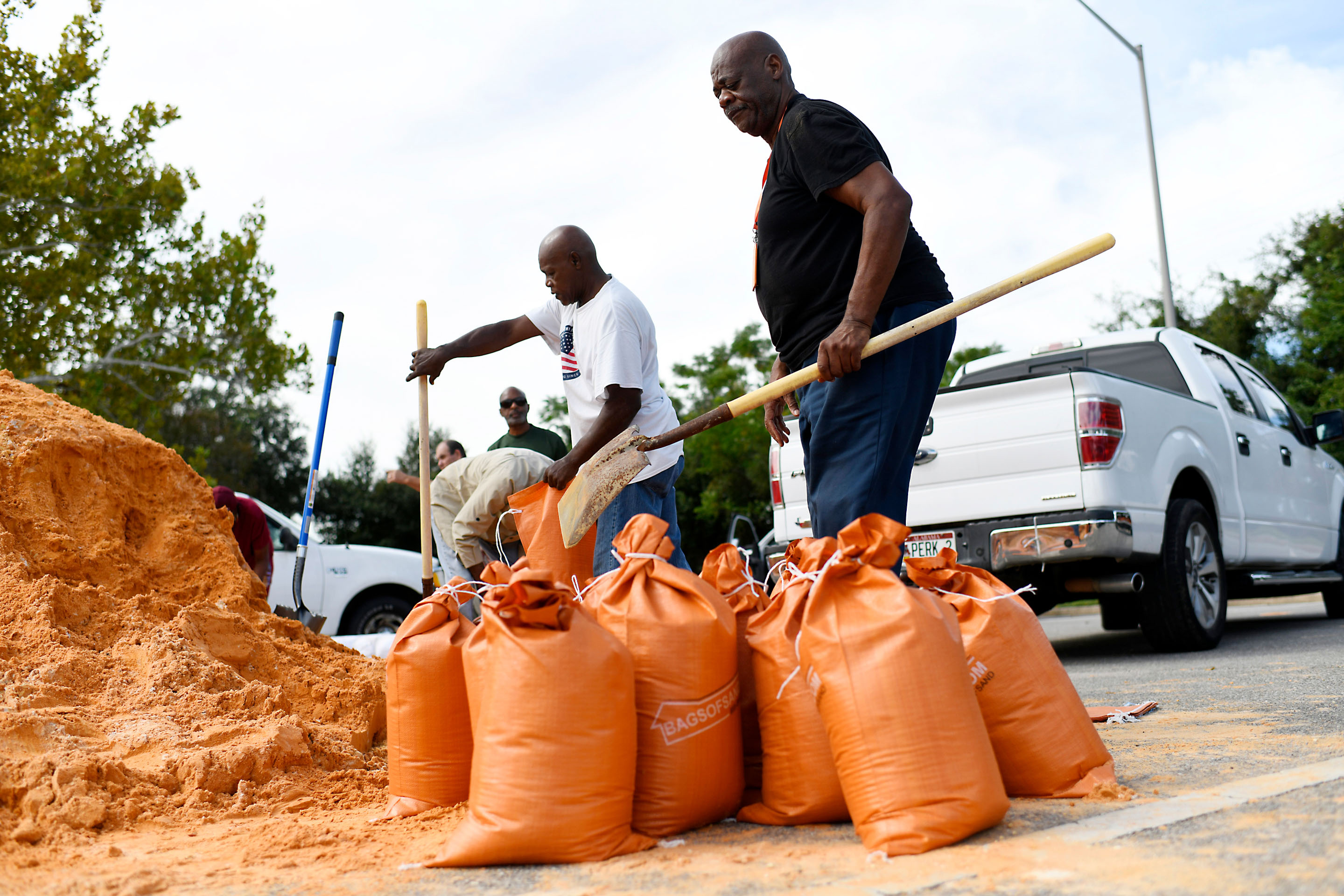
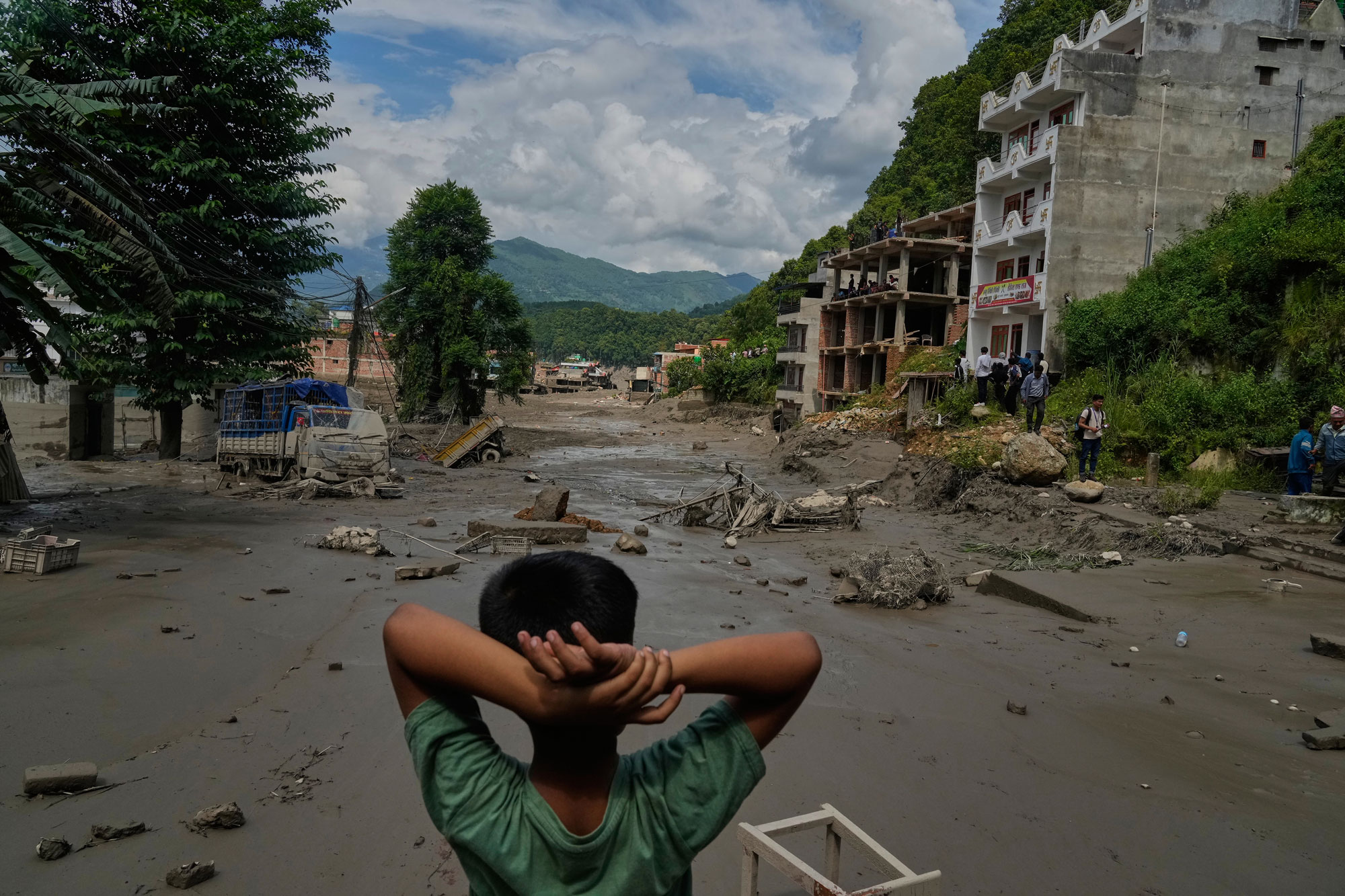
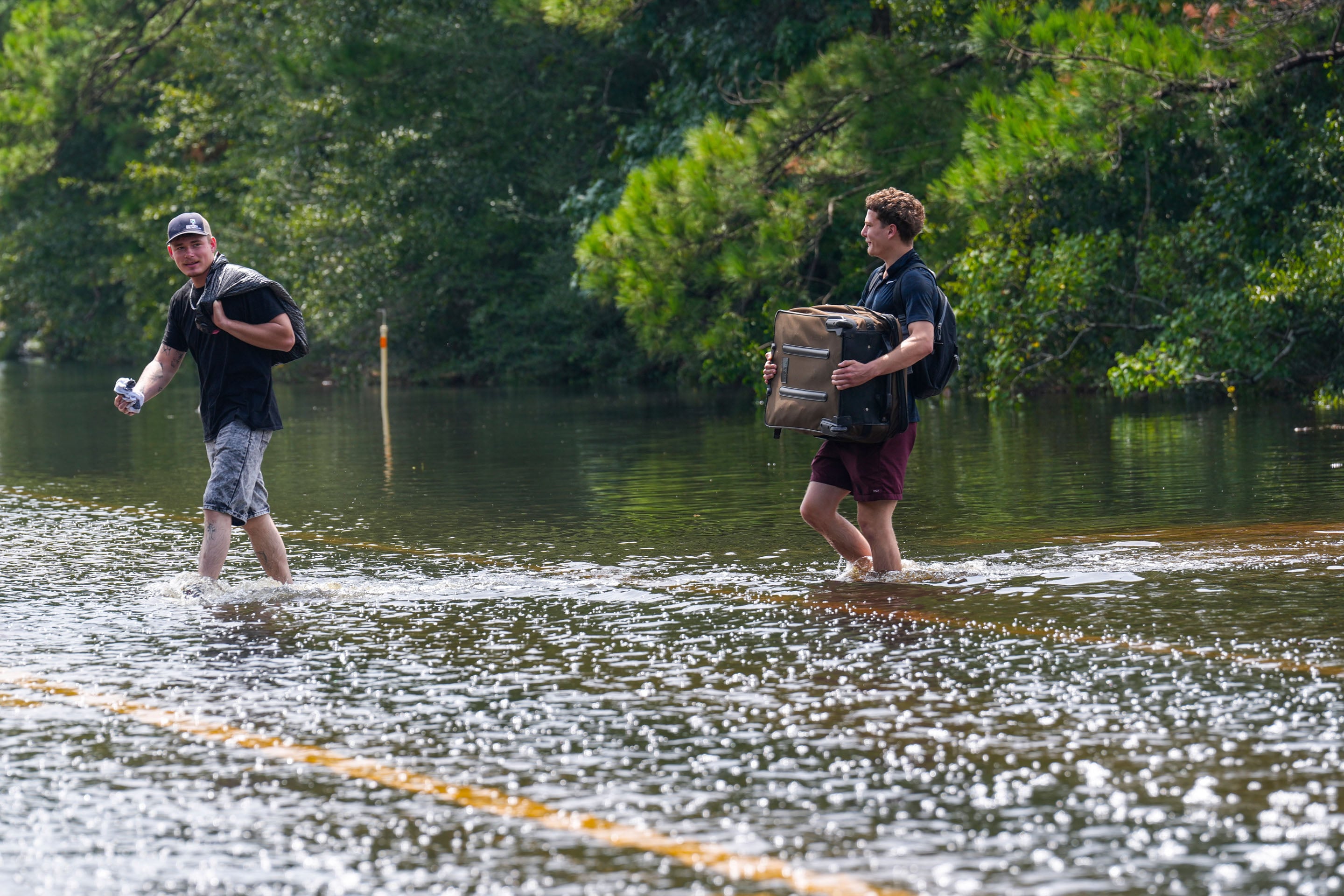
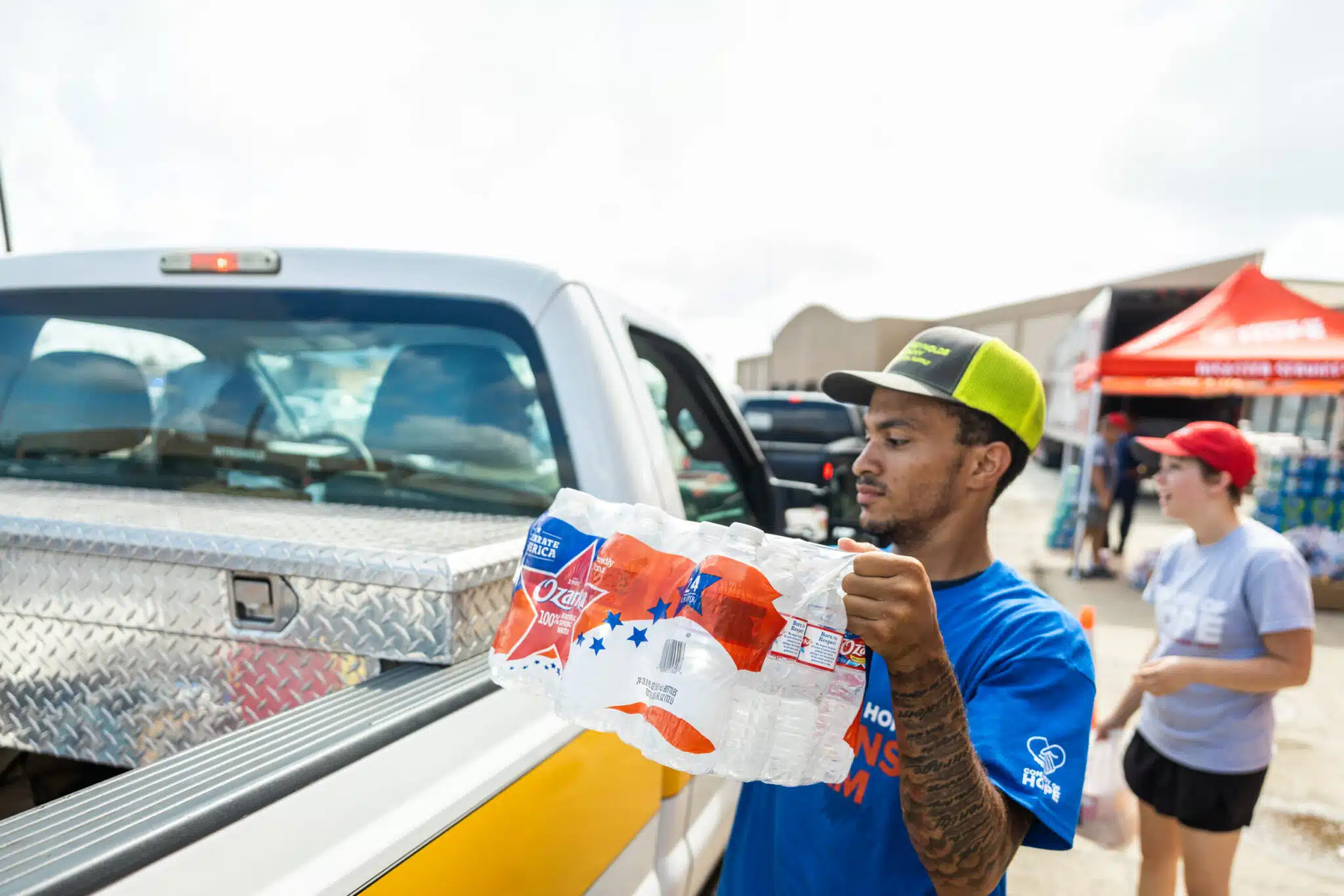
This is a tried-and-true part of Convoy’s mission. Twenty years ago, Convoy teams served communities devastated by Hurricane Katrina. Since then, battle-worn communities in Ukraine; droughts in Africa; yearly hurricanes along the U.S. Gulf Coast; and multiple tornadoes, wildfires, floods, and earthquakes have become compassion priorities. Convoy has strategically responded to more than 870 major crises to date.
From one disaster to the next, millions of people recovered a sense of hope as Convoy team members and volunteers served them a hot meal, wrapped a warm blanket around a shivering shoulder, offered a bottle of purified water, or provided essential hygiene supplies.
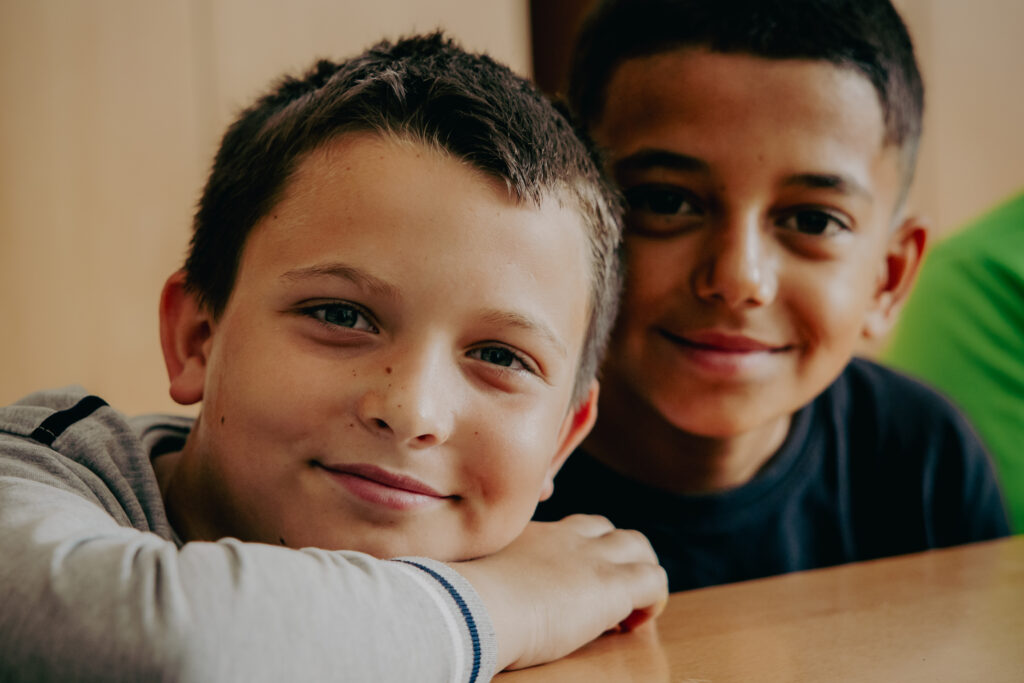
Convoy’s expertise goes beyond turning chaos into calm. Year-round, thanks to friends like you, Convoy responds to consistent needs with solutions that redirect destinies. For example, more than 639,000 children receive a nutritious meal every school day. Each one is steadily experiencing a life shift.
Lazar was 10 years old when he joined a Children’s Feeding program at a church in Bulgaria. This was a turning point, providing him with the consistent support needed to pursue his dream of becoming a physician. Now, Lazar is preparing to enter a medical university.
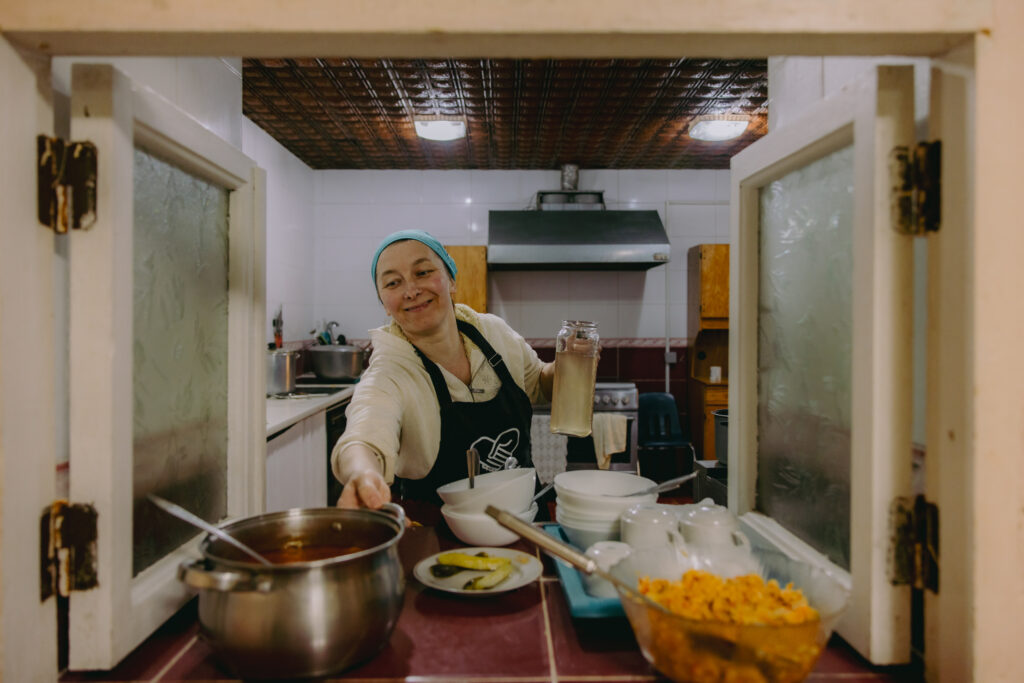
Alice Rahelimalala directs Convoy of Hope in Madagascar, where 40% of the children are malnourished. “We’re not just bringing food to communities,” Alice says of the 7,000-plus children receiving meals. “We’re bringing hope.”
Mangale, a farmer in Nepal, was losing hope as he fell into debt from poor harvests. He jumped at the chance to be trained through Convoy’s Agriculture initiative at a local church.
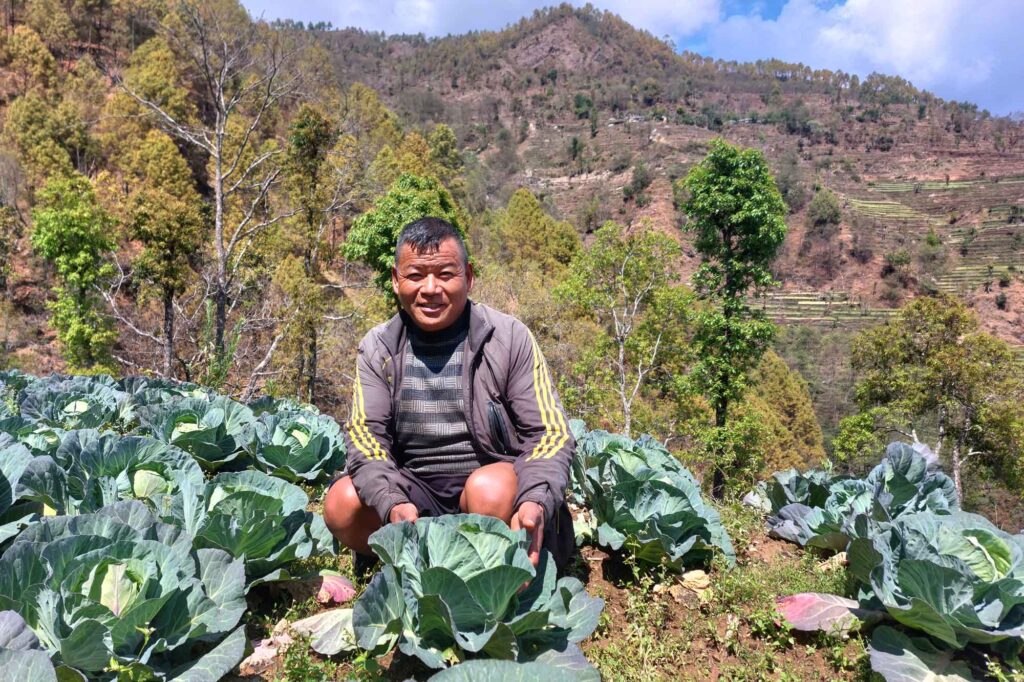
“Now I am doing well. My family is also doing well,” Mangale says. “I sent 345 crates of tomatoes to the main market and sold 40 kilos of ghost peppers.”
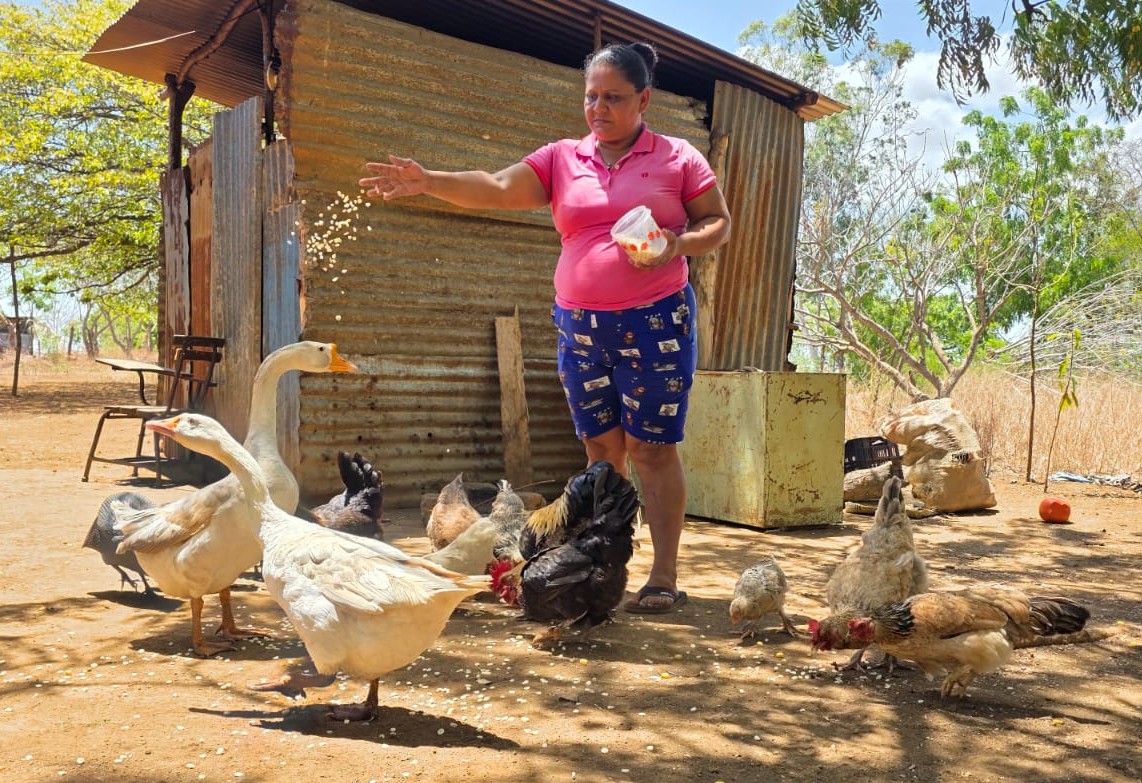
Five friends were trained in Convoy’s Women’s Empowerment program at a church in Nicaragua. Andria, Ana, Nohemi, Belkis, and another Ana are now working together to farm corn. They are feeding their families as well as local children in a Convoy feeding program.
“As a group, we must share what we have learned with other women so that they, too, can have their own garden where they can grow some vegetables,” the friends insist.
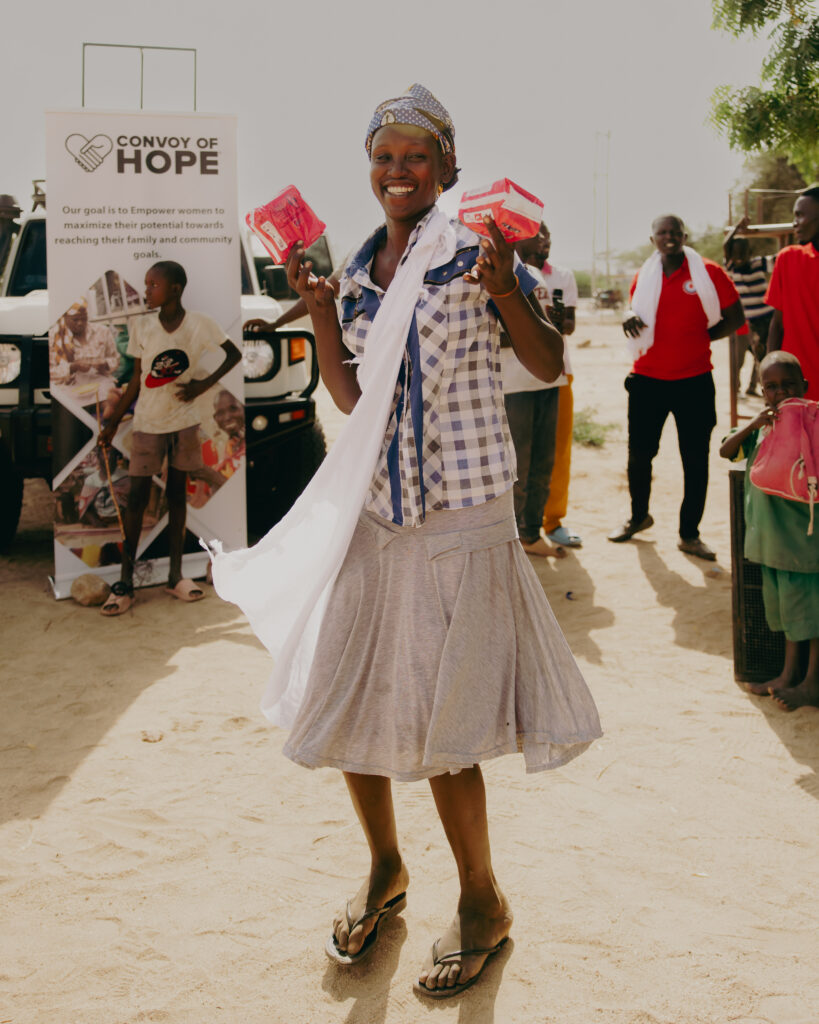
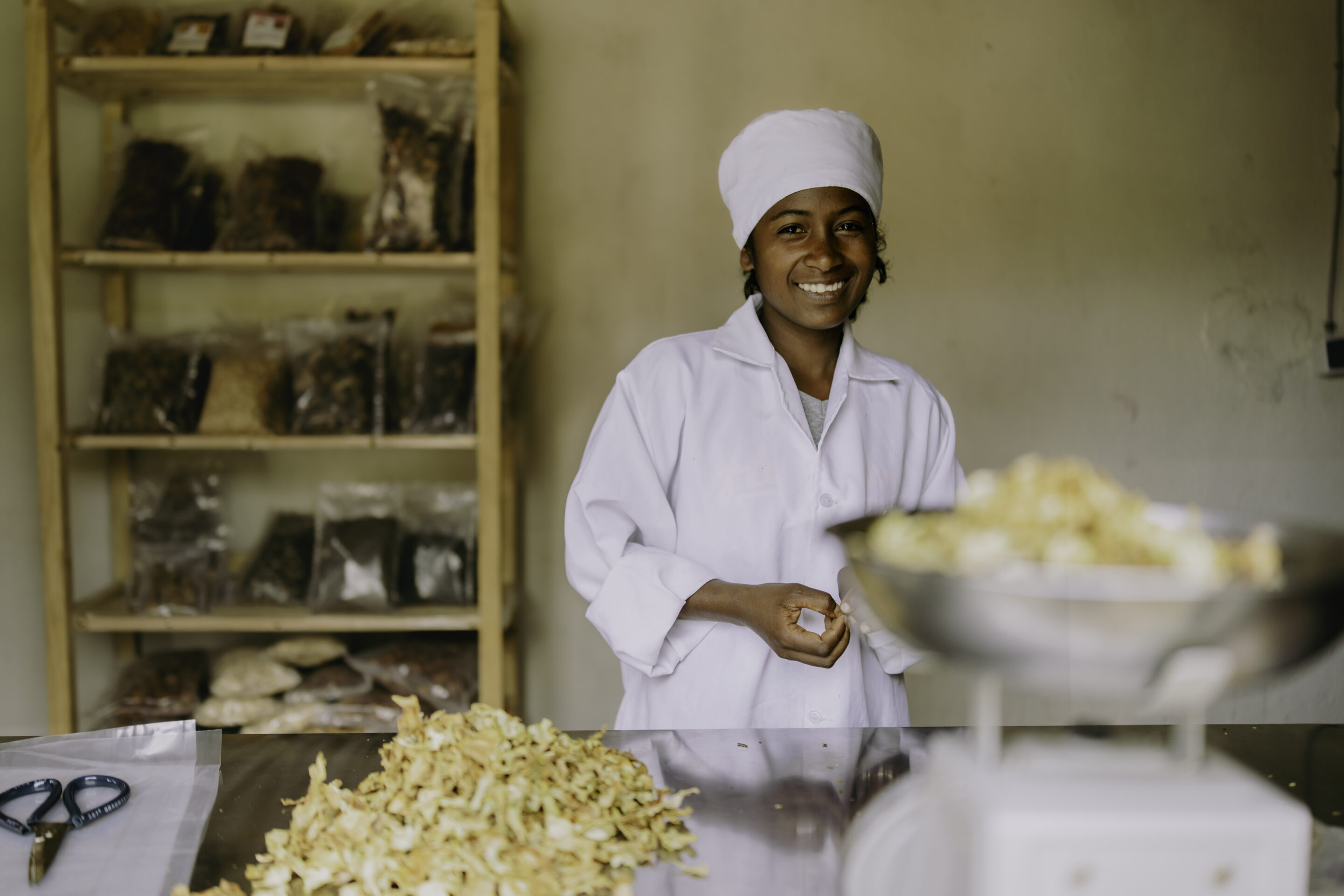
Similar stories of women learning entrepreneurial skills through Convoy’s Women’s Empowerment program come to life thousands of times a year.
One of Convoy’s earliest initiatives was holding Community Events in neighborhoods across the United States. Guests of Honor received groceries, family photos, haircuts, job counseling, health services, and more. (Those outreaches continue across the U.S. each year.)
Convoy has added training seminars alongside those events so nonprofits with a heart for their community can learn best practices for creating lasting change. In 2024, Convoy served more than 1.2 million people in U.S. towns large and small.
Convoy of Hope has now served more than 350 million people around the world, providing resources to meet an array of needs. But no matter how high that number climbs, one truth remains constant — each person matters.
To view this article in its magazine context, click here.