









Create a Lasting Impact While Delivering Valuable Tax Benefits
For property developers, real estate investors, and landowners, every project starts with a vision.
You see possibility in empty parcels, transforming vacant blocks into homes, commercial spaces, and thriving communities. But perhaps the greatest legacy you build won’t be measured in square meters or rental yields—it will be measured in lives changed.
When considering how to turn business success into lasting significance, learning how to donate real estate offers a powerful path forward.
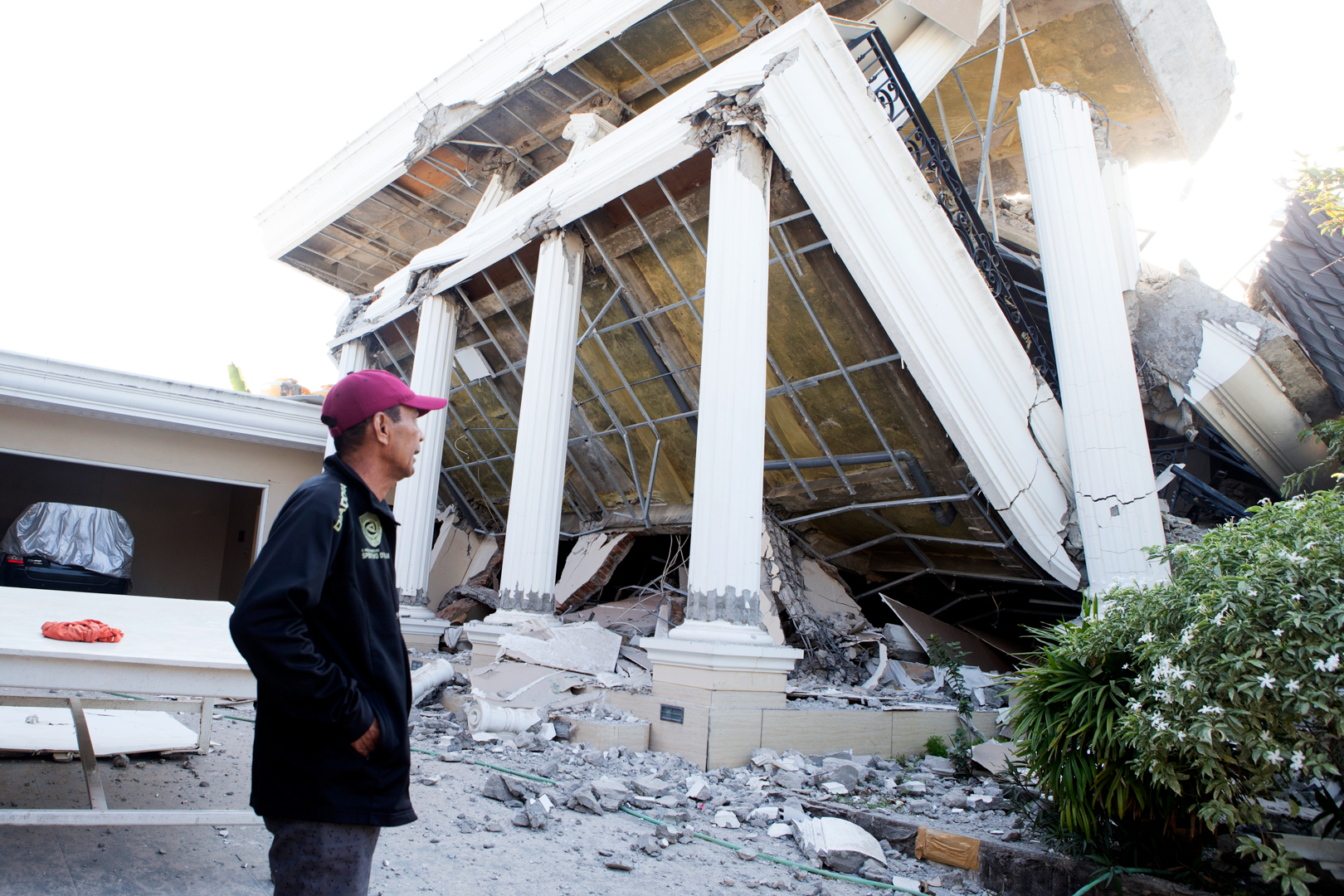
A gift of real estate can fund transformative initiatives, from feeding hungry children to providing clean water and disaster relief.
In this guide*, we will explore:
• What a real estate donation is
• The types of gifts you can make
• Potential tax benefits
• What charities accept real estate donations
Let’s dive in!

What is a Real Estate Donation?
A real estate donation involves transferring ownership of real property directly to an eligible 501(c)(3) public charity or donor-advised fund rather than liquidating the asset yourself.
When donating real property, landowners often ask why they shouldn’t simply sell the property and contribute the cash proceeds.
If you sell first, you may incur significant capital gains taxes and local real estate taxes.
By transferring real estate to charity directly, the receiving organization can negotiate the final sale price or retain the asset, eliminating your capital gains tax exposure and maximizing the value of your donated property.
Giving real estate gifts allows your financial success to serve a greater purpose, transforming an underutilized or appreciated asset into enduring hope.

What Types of Real Estate Can Be Donated?
Nonprofit organizations are equipped to evaluate and accept a wide range of assets. While acceptance depends on an organization’s gift acceptance policies, the most common type of real estate gifted includes:
Vacant land and
undeveloped sites
Residential homes and
single-family rental properties
Commercial buildings, office
spaces, and retail centers
Warehouses and
industrial property
Vacation properties and
holiday homes
Agricultural land
and rural acreage
Regardless of the type of property, an experienced charity will conduct proper due diligence—including title searches and environmental reviews—to ensure the property can be effectively received or liquidated.
Flexible Ways to Give
Partial Interests, Bargain Sales, and Retained Life Estates
You do not always have to give a property outright. Charities offer flexible types of gifts to align with your personal financial and estate goals:
1. Undivided Partial Interest
You can donate a specific percentage of ownership in a property while retaining the remaining share.
2. Bargain Sale
In a bargain sale, you sell your property to a charitable organization for a sale price below its fair market value. The difference between the sale price and market value is treated as a charitable contribution.
3. Retained Life Estate
You can deed a personal residence or farm to a charity while retaining the legal right to live on or use the property for life or a term of years. After that term of years or life interest concludes, full title transfers to the charity.

Potential Tax Benefits
While generosity drives most real estate gifts, the financial and tax benefits can make major contributions far more achievable.
Key advantages often include:
Charitable Income Tax Deduction
Donors are generally eligible for a charitable income tax deduction for long-term appreciated property.
You receive a tax deduction based on the property’s fair market value, as established by a qualified appraisal.
Capital Gains Relief
Gifting property to the charity before the sale avoids the long-term capital gains tax you would owe if you sold the property yourself.
Lifetime Impact
Unlike a bequest left in a will, donating real estate to charity during your lifetime lets you see your contribution actively transform lives.
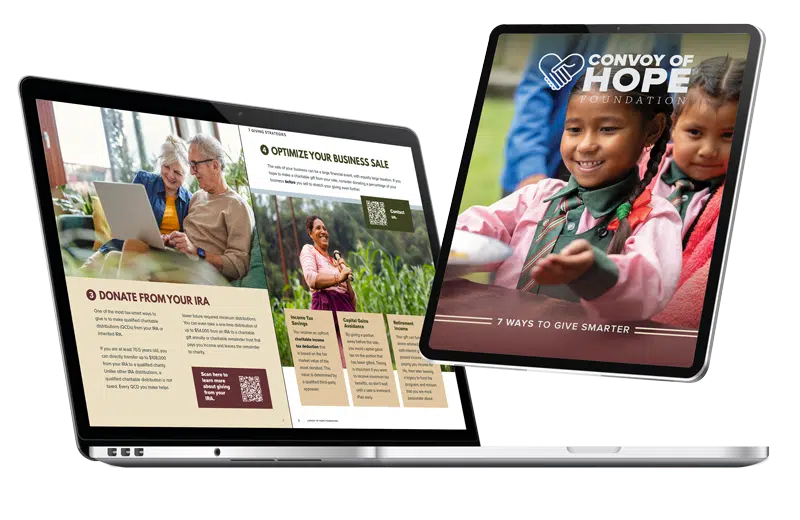
7 Ways To Give Smarter
Learn how to create a giving strategy that aligns your resources, values, and goals to make a meaningful difference.
Topics include:
— Donor-advised funds
— Donating stocks
— Donating from your IRA
— Optimizing your business sale
Download Our Guide to Smarter Giving!
Start your journey toward using your income to make a difference, leave a legacy, and enrich lives.
":" indicates required fields
What Charities Accept Real Estate Donations?
If you are evaluating what charities accept real estate donations and what charities want real estate donated to them, look for established non-profit organizations with dedicated planned giving departments. Large public charities, universities, and major humanitarian organizations regularly receive property gifts.
Can You Donate Real Estate to a Donor Advised Fund?
Yes. If you are asking, “Can you donate real estate to a donor advised fund?” the answer is a resounding yes.
Major donor-advised fund (DAF) sponsors have specialized teams to review, accept, and liquidate real estate.
Once sold, the net proceeds are deposited into your DAF account, giving you the flexibility to grant funds to your favorite charities over time.

Supporting Causes That Matter
If you want your donated property to make an immediate, life-saving impact, consider organizations like Convoy of Hope.
Organizations with global humanitarian reach can turn real estate proceeds into meals for children, disaster response resources, and community empowerment initiatives across the globe.

Next Steps
If you are ready to explore how to donate real estate to charity, follow these key steps:
1. Consult Professional Advisors
Work with your legal, tax, and financial advisors to confirm how a gift fits your financial structure.
2. Contact the Charity
Reach out to the non-profit’s planned giving team for an initial, confidential discussion.
3. Obtain a Qualified Appraisal
To substantiate your charitable income tax deduction, the IRS requires a qualified appraisal of the property’s fair market value.
4. Complete Due Diligence
The charity will complete environmental, title, and marketability reviews prior to closing.
Buildings shape skylines, but generosity shapes lives. By converting a portion of your property portfolio into a charitable gift, you create a legacy that no market cycle can diminish.
*Disclaimer: Convoy of Hope and Convoy of Hope Foundation do not provide legal, tax, investment, or financial advice. The information in this article is intended for educational purposes only and should not be construed as professional advice. Donors are encouraged to consult with their own legal, tax, investment, or financial advisors when evaluating gifts to charity. Convoy of Hope and Convoy of Hope Foundation disclaim any liability arising from reliance on information provided herein.