




Convoy Meets Immediate Needs After Indonesia Earthquake
August 17, 2026 | 1:51 p.m.
Families in Indonesia are grappling with the intense realities of earthquake recovery after Saturday’s 7.7-magnitude quake put communities in a state of emergency.
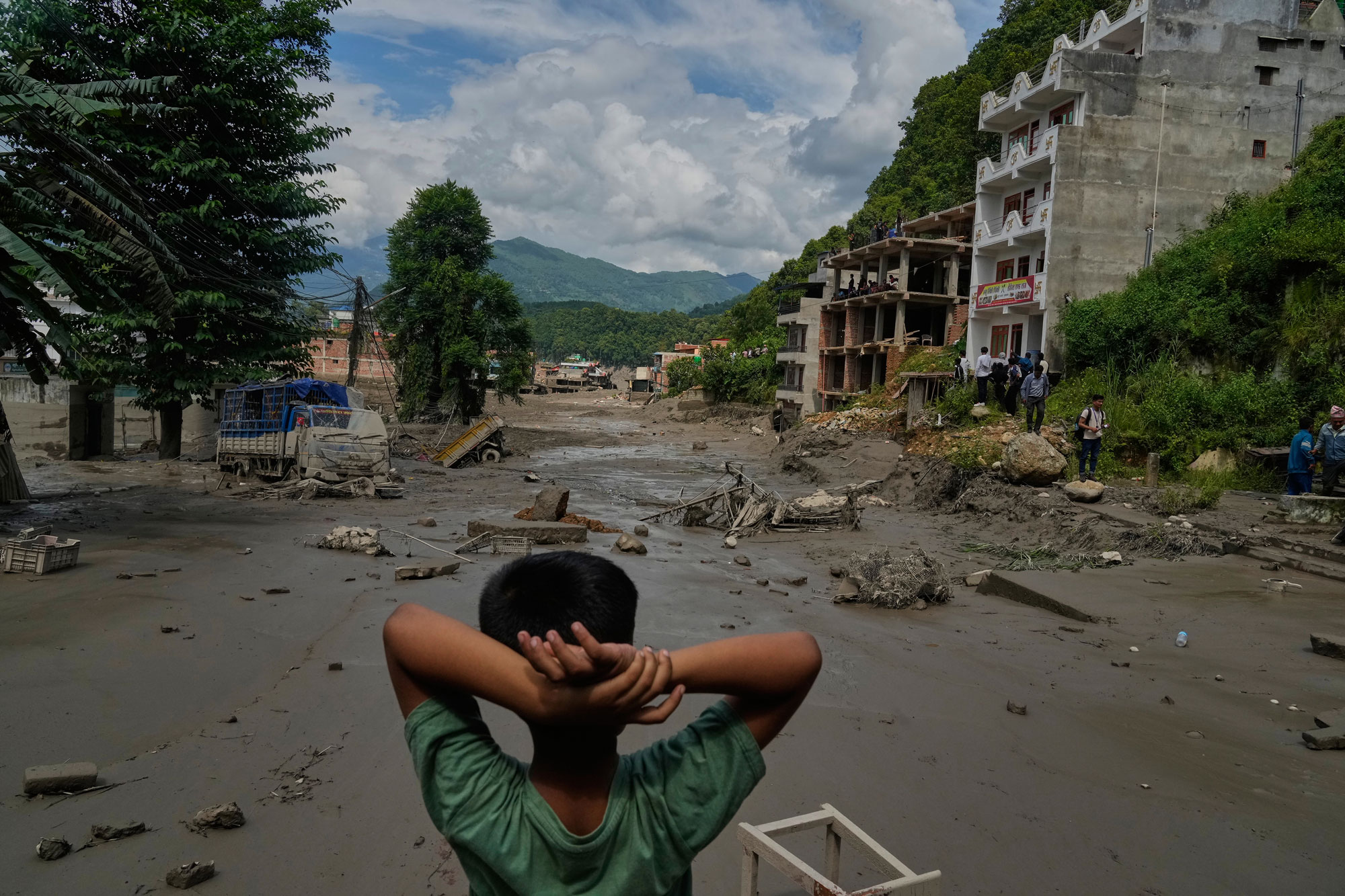
Across the country’s eastern region, obstacles are numerous: life-threatening landslides, impassable roadways, a lack of shelter, severely limited medical care, and now — as available supplies quickly diminish — hunger.
“We need food, medicine, and clean water urgently,” Rasyid Jafar told CBS News from the village of Reo.
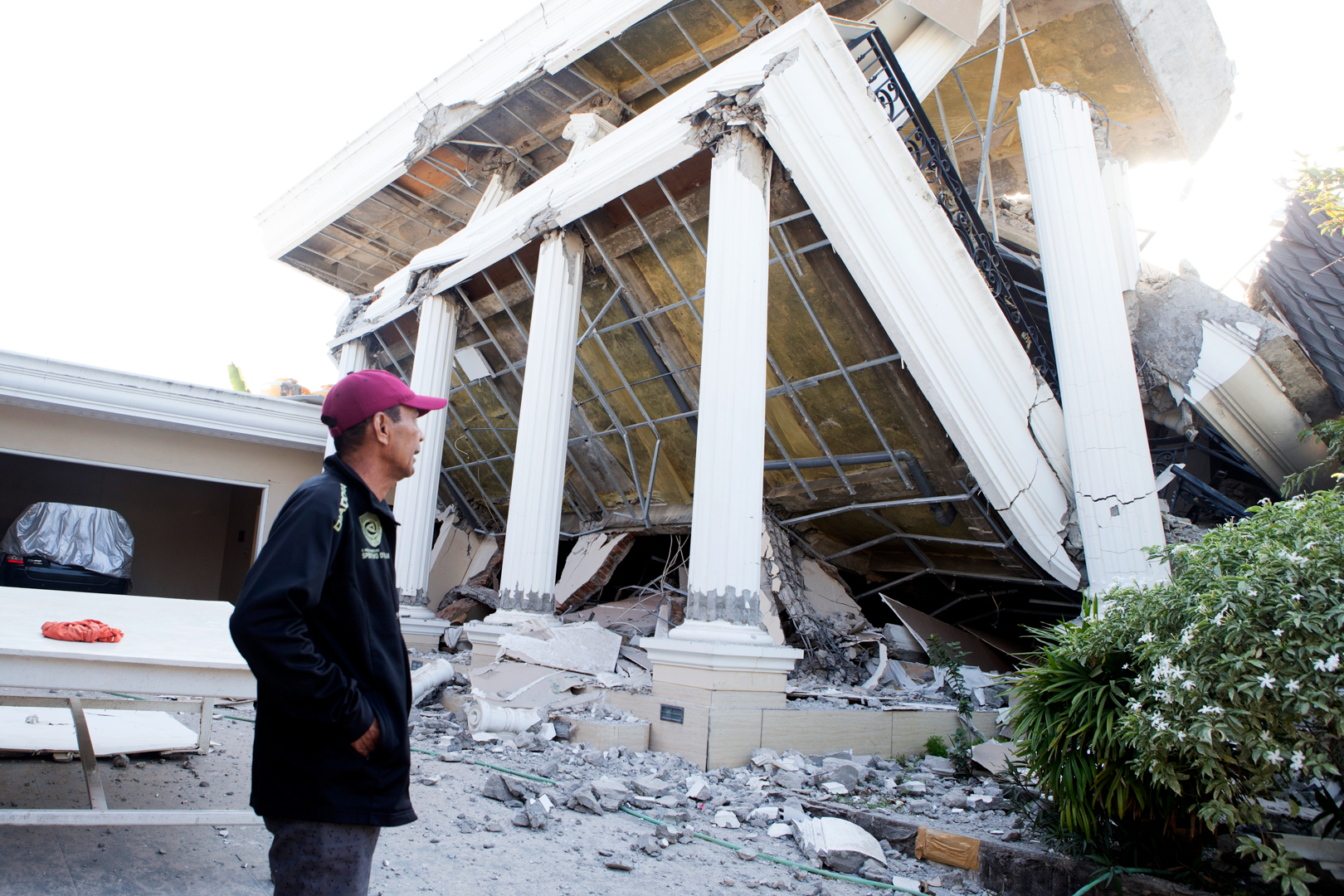
More than 200 individuals survived injuries, as thousands of residents fled their communities. At least 68 deaths have been confirmed, but the toll is expected to rise. Hundreds of buildings are destroyed, including hospitals and homes.
Now, thousands of people have set up temporary tents and blankets, waiting in the streets or in open fields to avoid the instability of remaining structures.
Aftershocks are incessant; there have been more than 1,000 recorded since the quake struck. With the added danger of landslides, searching for signs of life has become a grueling endeavor, but rescue workers press on. There may still be survivors trapped, waiting to be saved.
Convoy of Hope is sending relief to survivors, helping meet their immediate needs.
The situation is dire, and there is not a quick resolution — but by bringing stable, tangible care, we help instill the hope that recovery is possible.