

The Storm That Changed Everything: 20 Years After Katrina
Twenty years ago, Convoy of Hope profoundly changed as an organization.
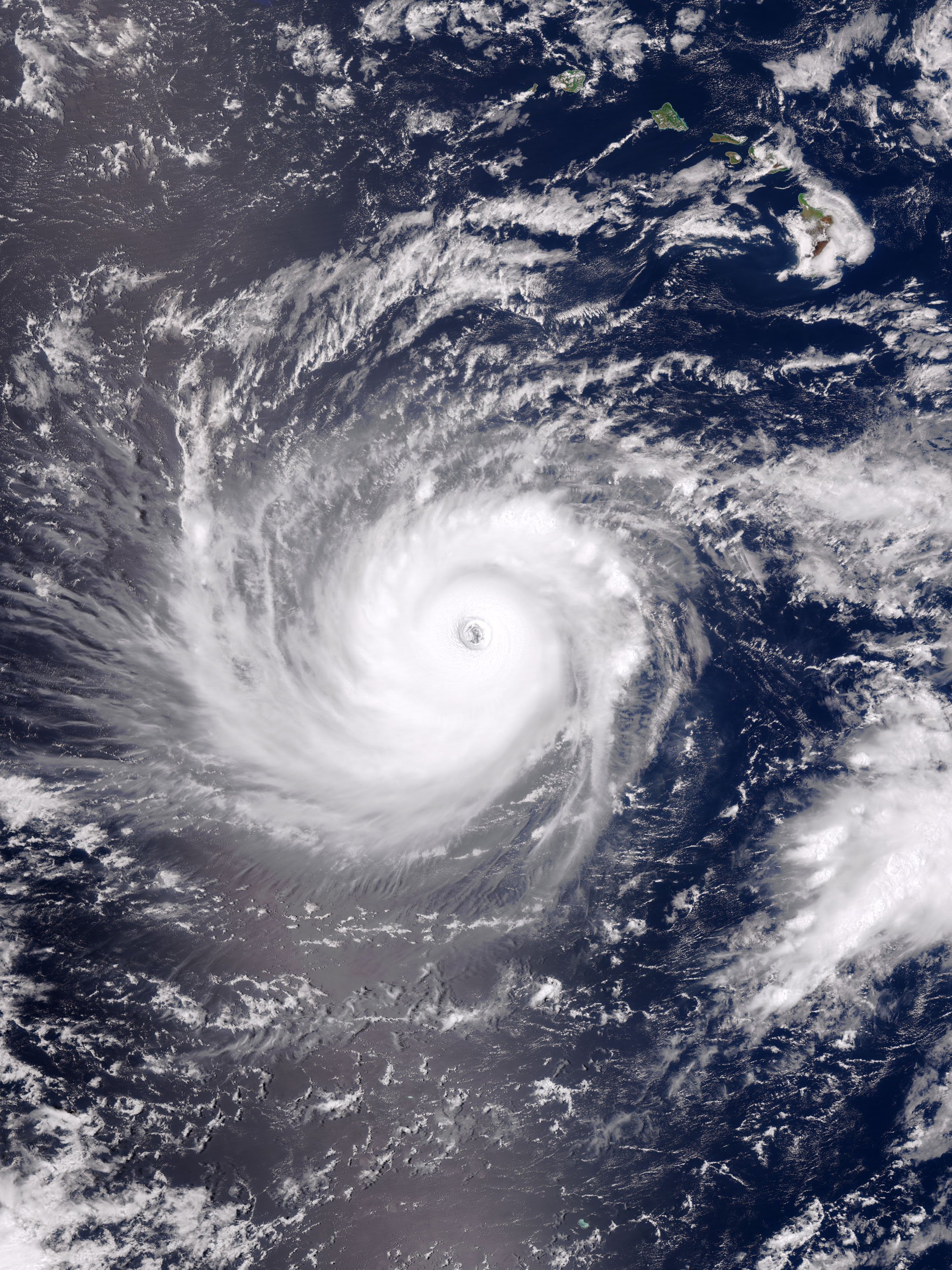
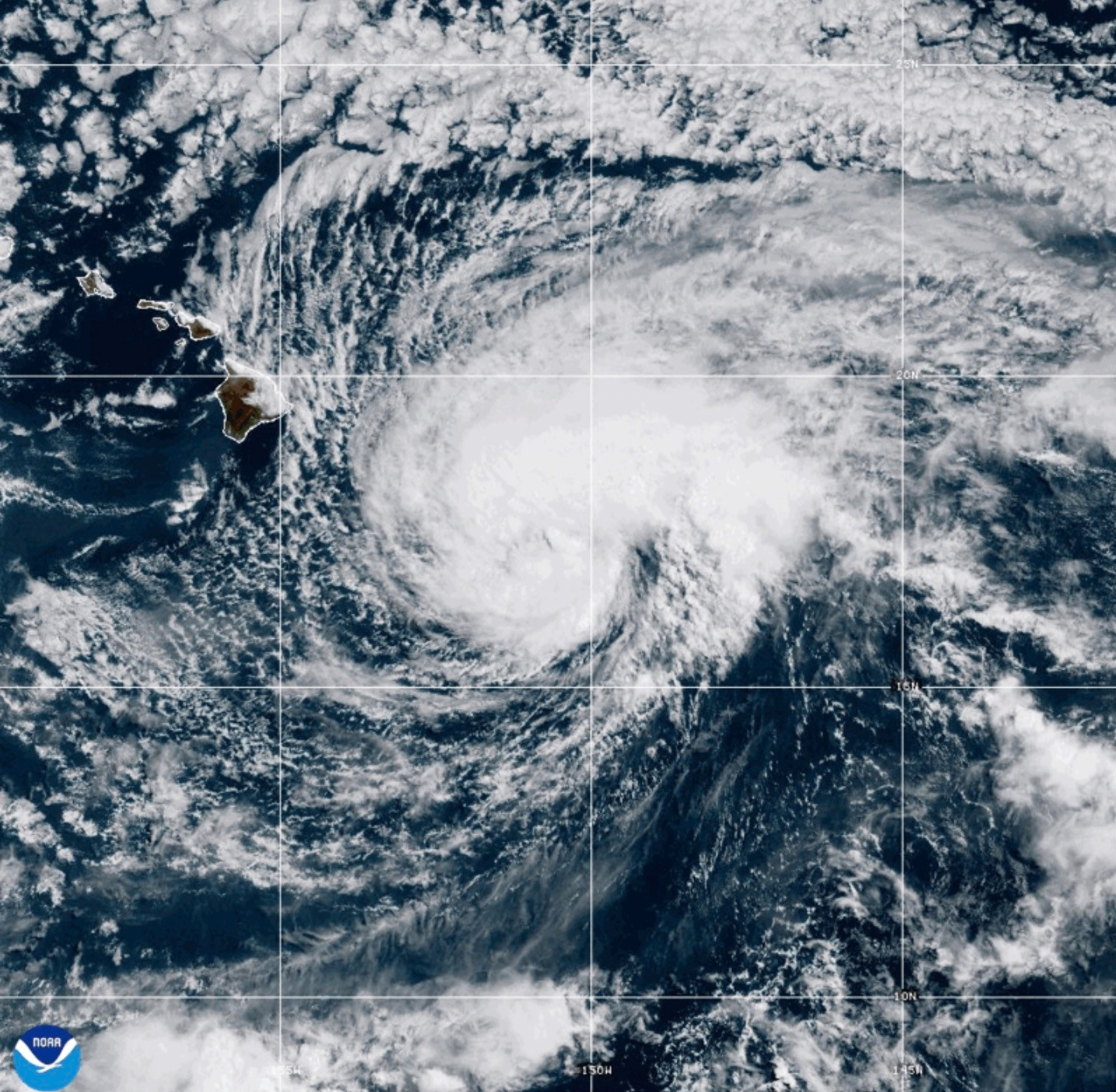
When Hurricane Katrina first formed in the Atlantic, the National Hurricane Center predicted it would be big and bad. After coasting over Florida as a tropical storm, Katrina entered the Gulf, where it rapidly intensified to a Category 5 hurricane, eventually slamming into Louisiana as a strong Category 3.
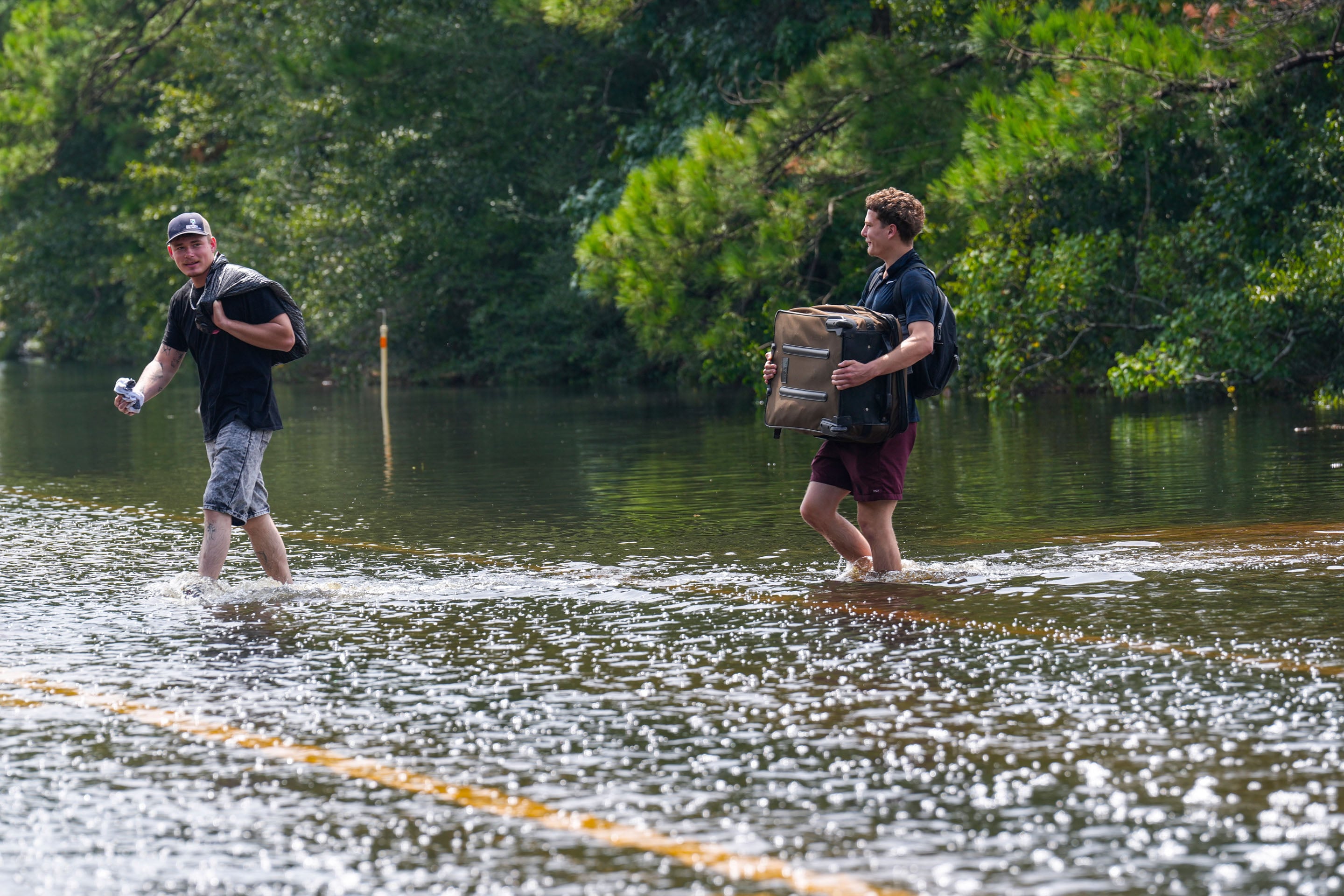
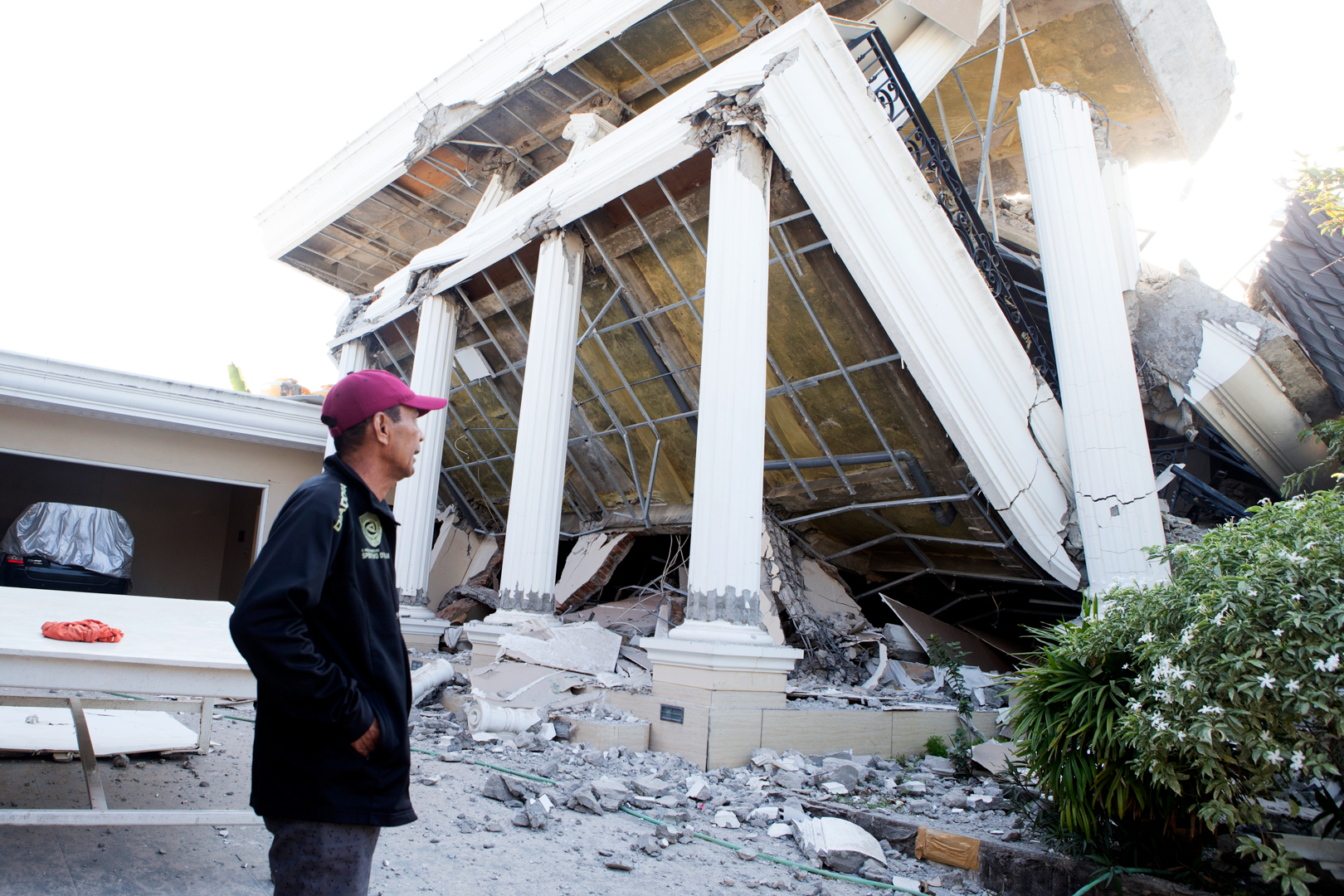
Low-lying New Orleans was vulnerable, and Katrina took advantage. The storm surge overwhelmed the levees, causing catastrophic flooding in 80% of the city. More than 1,300 people lost their lives. Streets ran like rivers, carrying away people’s homes.
When Convoy team members arrived at work the morning after Katrina made landfall, they found every phone ringing off the hook. From the moment the day started, it was clear this response would be all hands on deck.
Even families and friends of Convoy team members jumped in to help. Phone banks were set up in every available space. Volunteers helped answer phone calls all day, every day, for weeks. Calls came in from volunteers, donors, people in need, churches asking for assistance, even those in search of lost relatives. The answering machine crashed immediately, so people took messages on paper and ran them around the building to the right person.
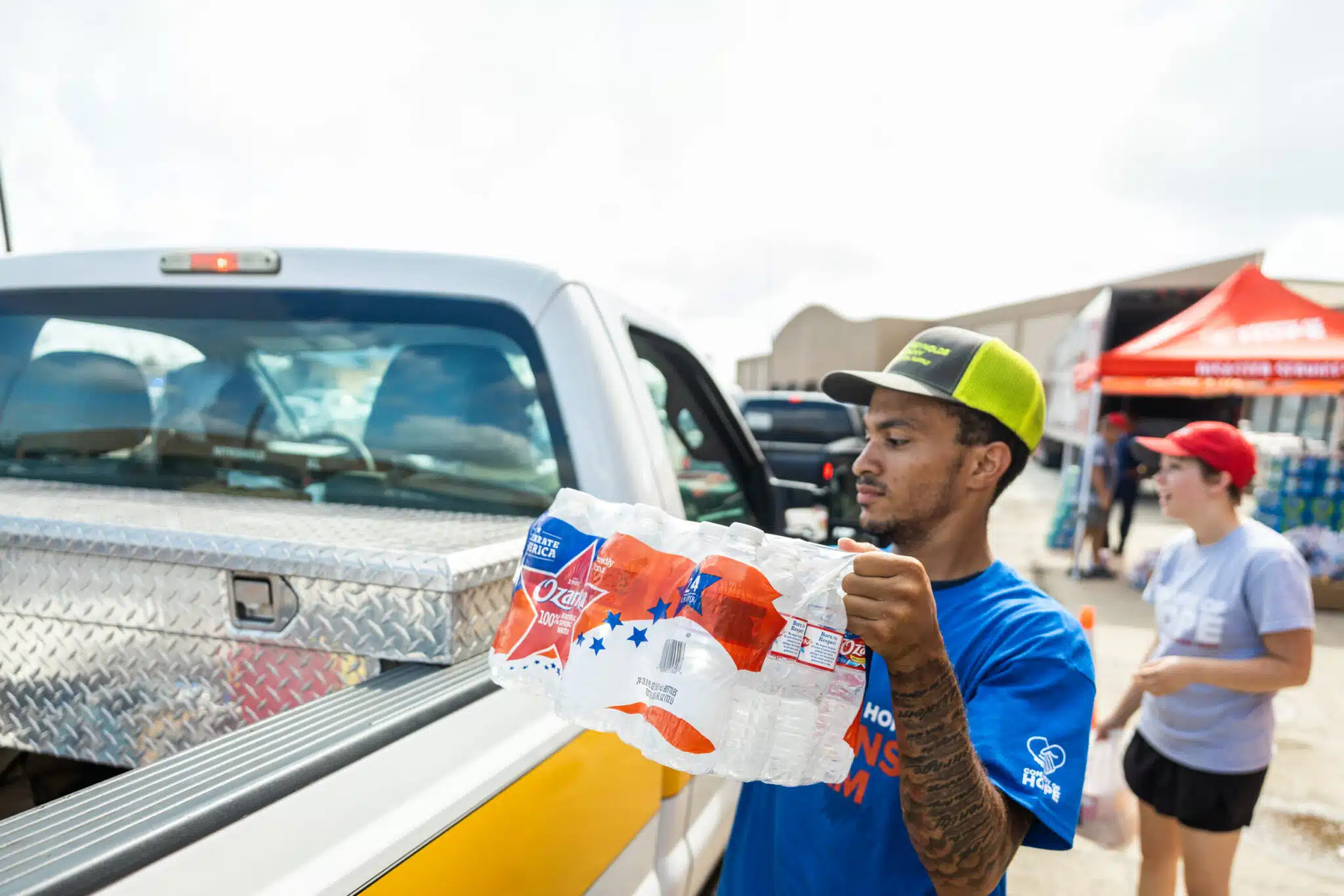
Team members across every department at Convoy were deployed to Mississippi and Louisiana to assist Convoy’s then two-person Disaster Services team. Before Katrina, Convoy had only ever set up one point of distribution (POD) at a time. With a disaster this scale, Convoy set up several distribution sites scattered throughout the two states.
Hurricane Katrina spurred major reforms in the United States’ disaster response and preparedness system, and it also fundamentally changed Convoy’s disaster response process.
Long-time Convoy team member Randy Rich reflected on a time when the team took a moment amid the breakneck pace of the response. “We sat down and reinvented Convoy on a whiteboard,” he said. “The team updated processes for disaster response and developed additional roles that new staff or volunteers would fill.”
Convoy’s Hurricane Katrina response lasted two years, with nearly 1,000 truckloads of relief supplies delivered and distributed to families in need. For the next four years, Convoy held Community Events across the Gulf Coast, specifically helping areas affected by Katrina.
Hurricane Katrina proved that we needed a larger team to help as many people as we can when storms hit. And Convoy of Hope has now responded to over 800 disasters. The people we met and the lessons we learned during Katrina redefined the way team members have responded to disasters ever since.