



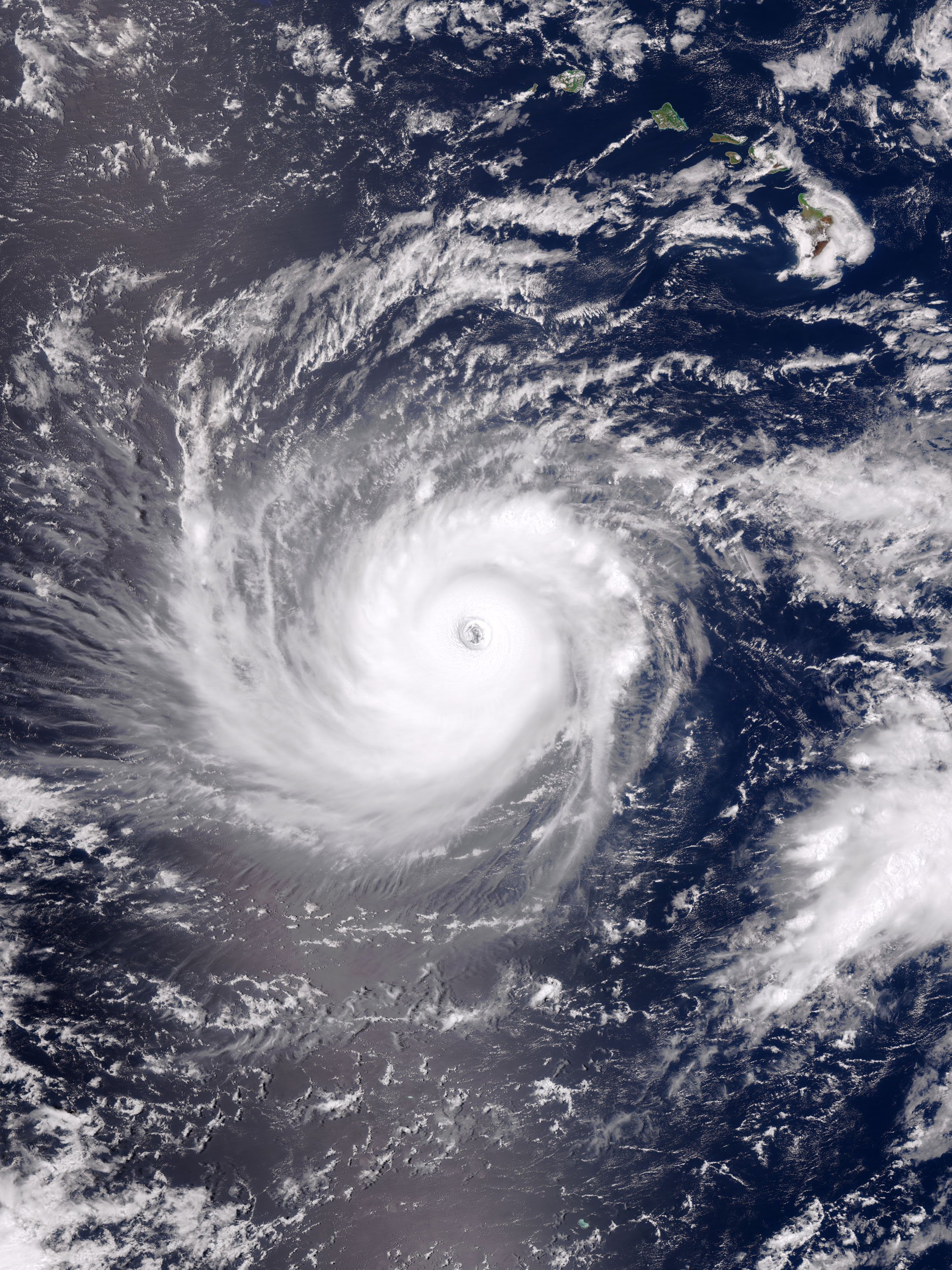
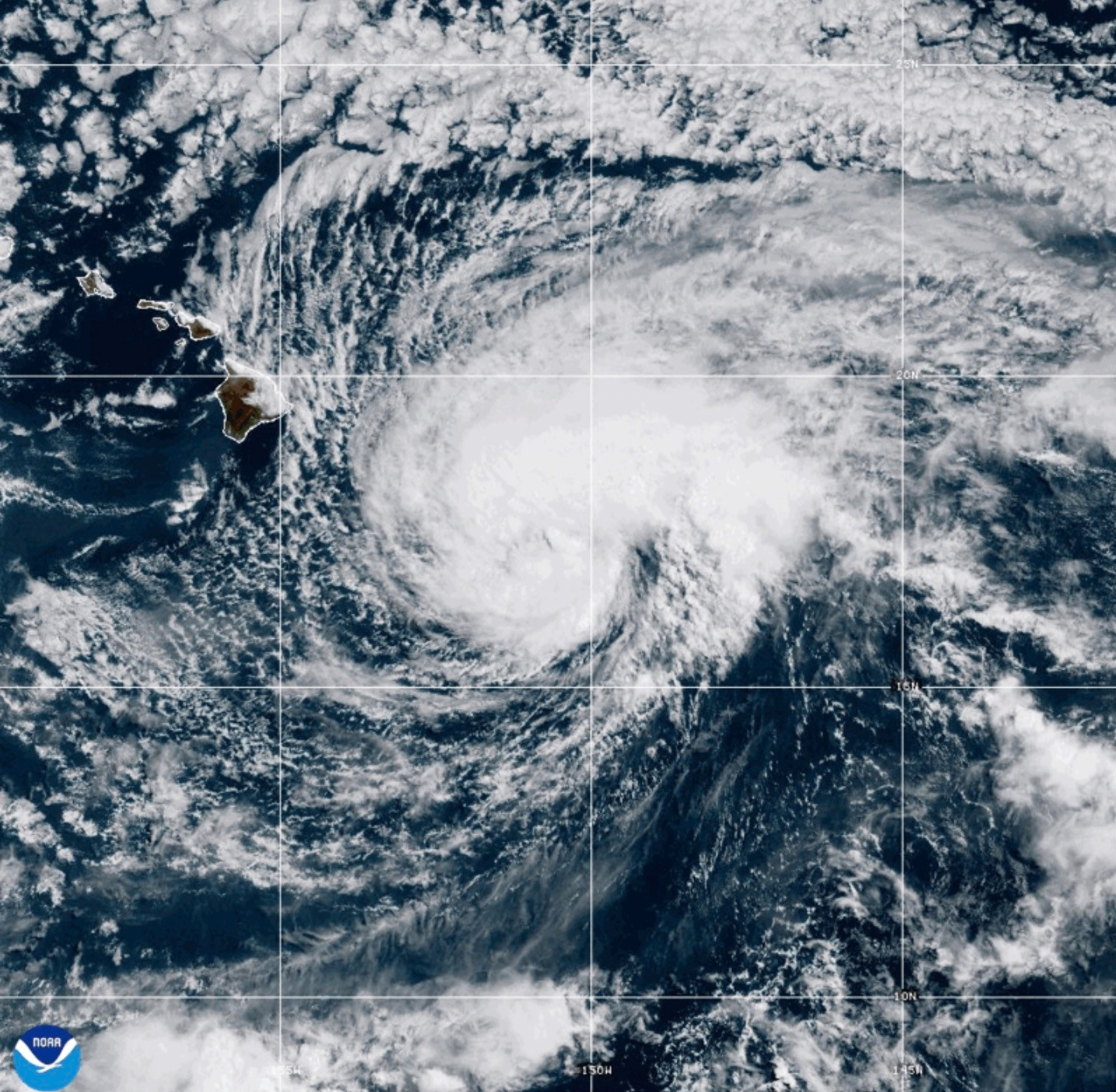

June 1 marked the official start of hurricane season.
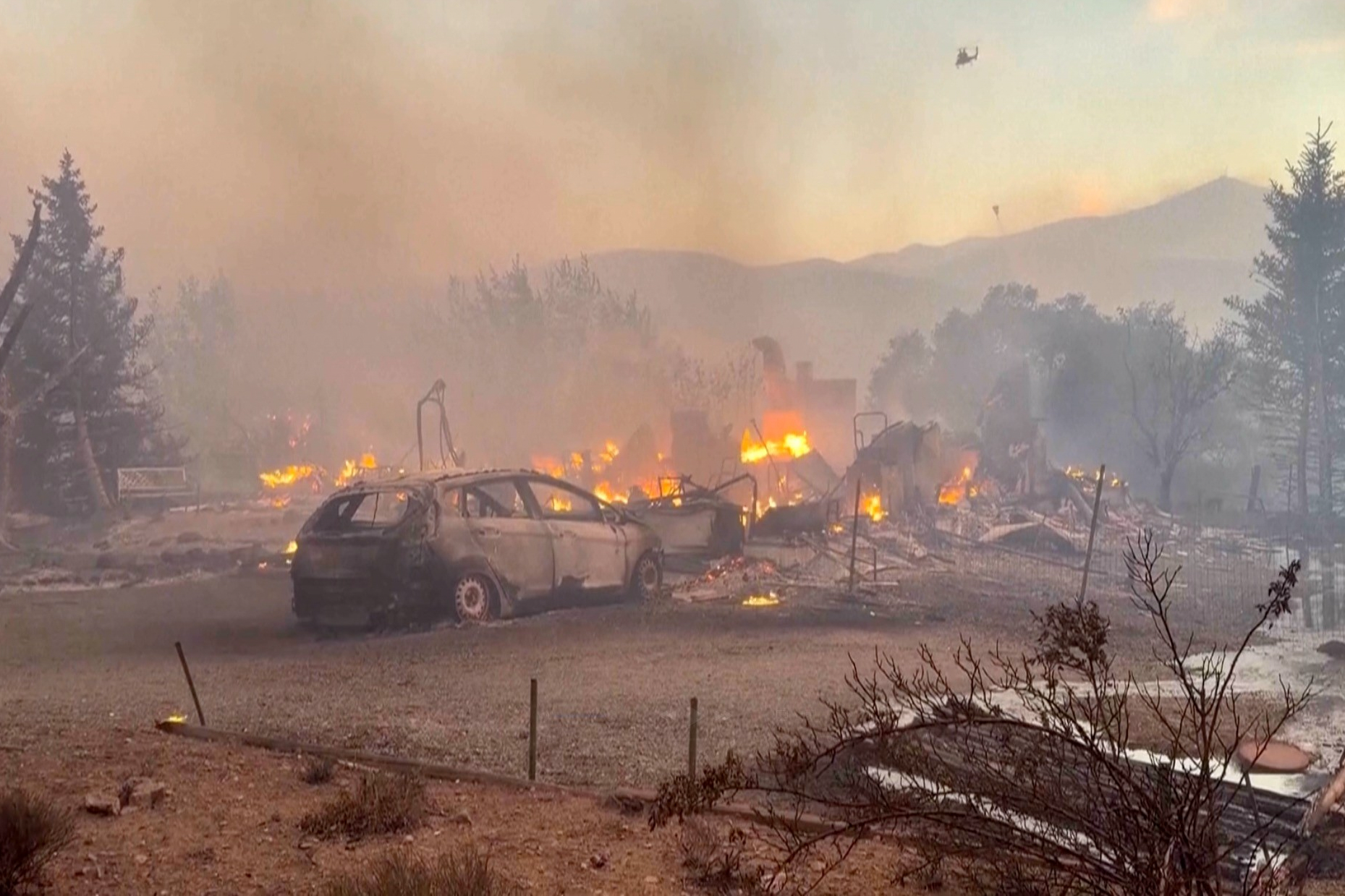
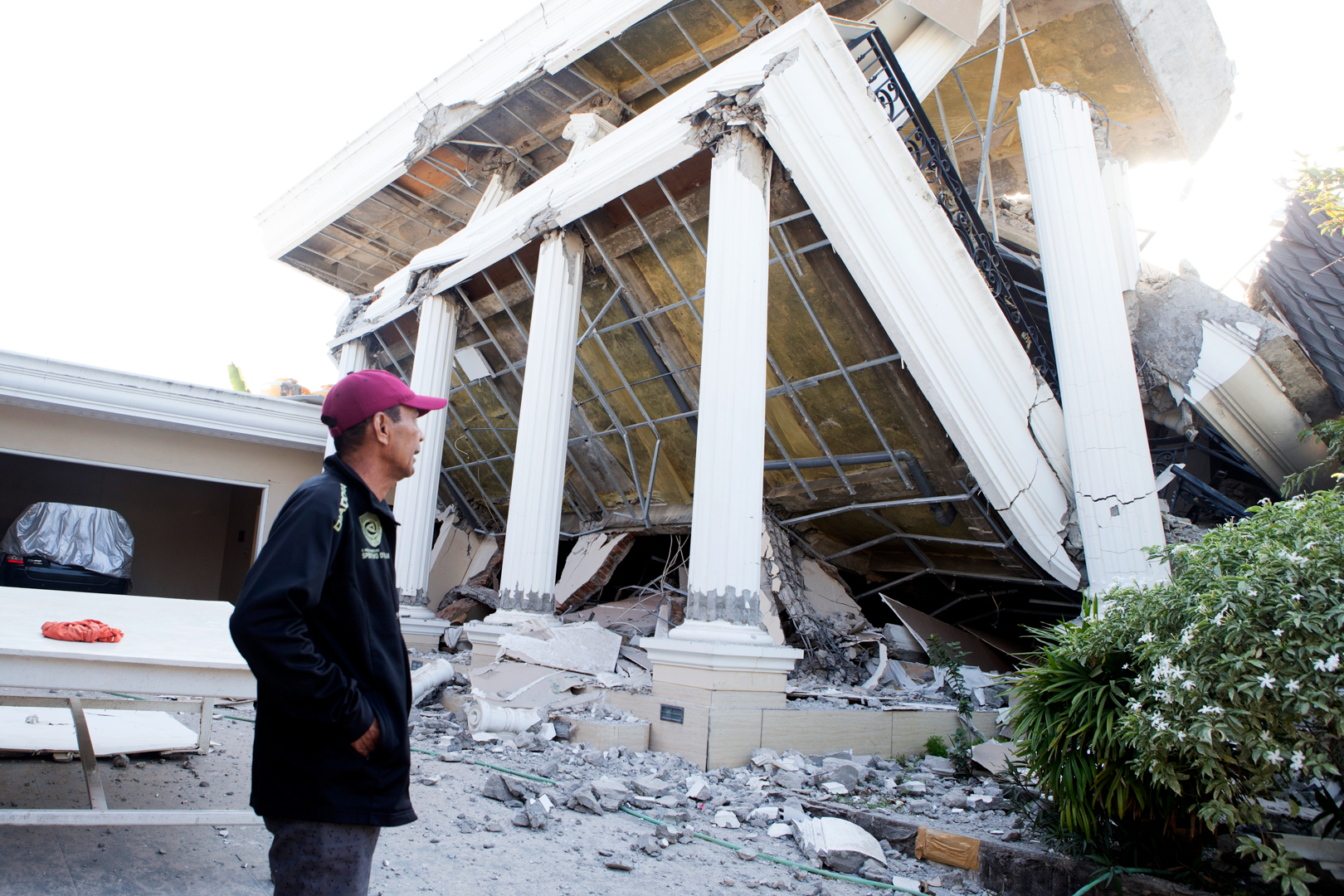
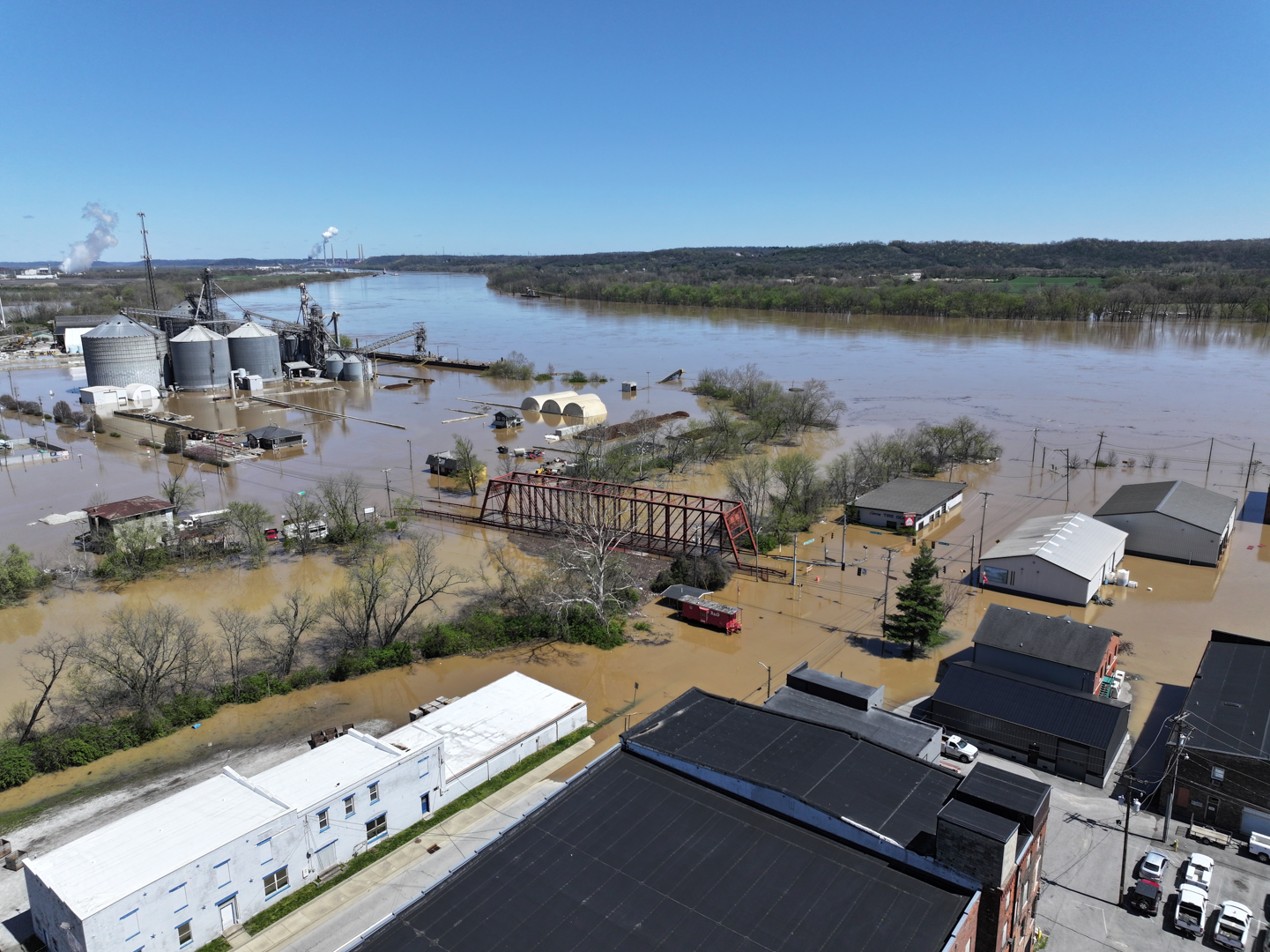
For many, a hurricane can sound like something that happens somewhere else. It’s hard to picture your own community navigating the aftermath.
No one can predict exactly where storms may make landfall this year. But we can take steps to be prepared.
If your area is at risk of hurricanes, here are six things for you and your family to remember before a storm arrives.
1. Store Water and Food for Each Family Member
During a disaster, having access to clean water and shelf-stable food is vital.
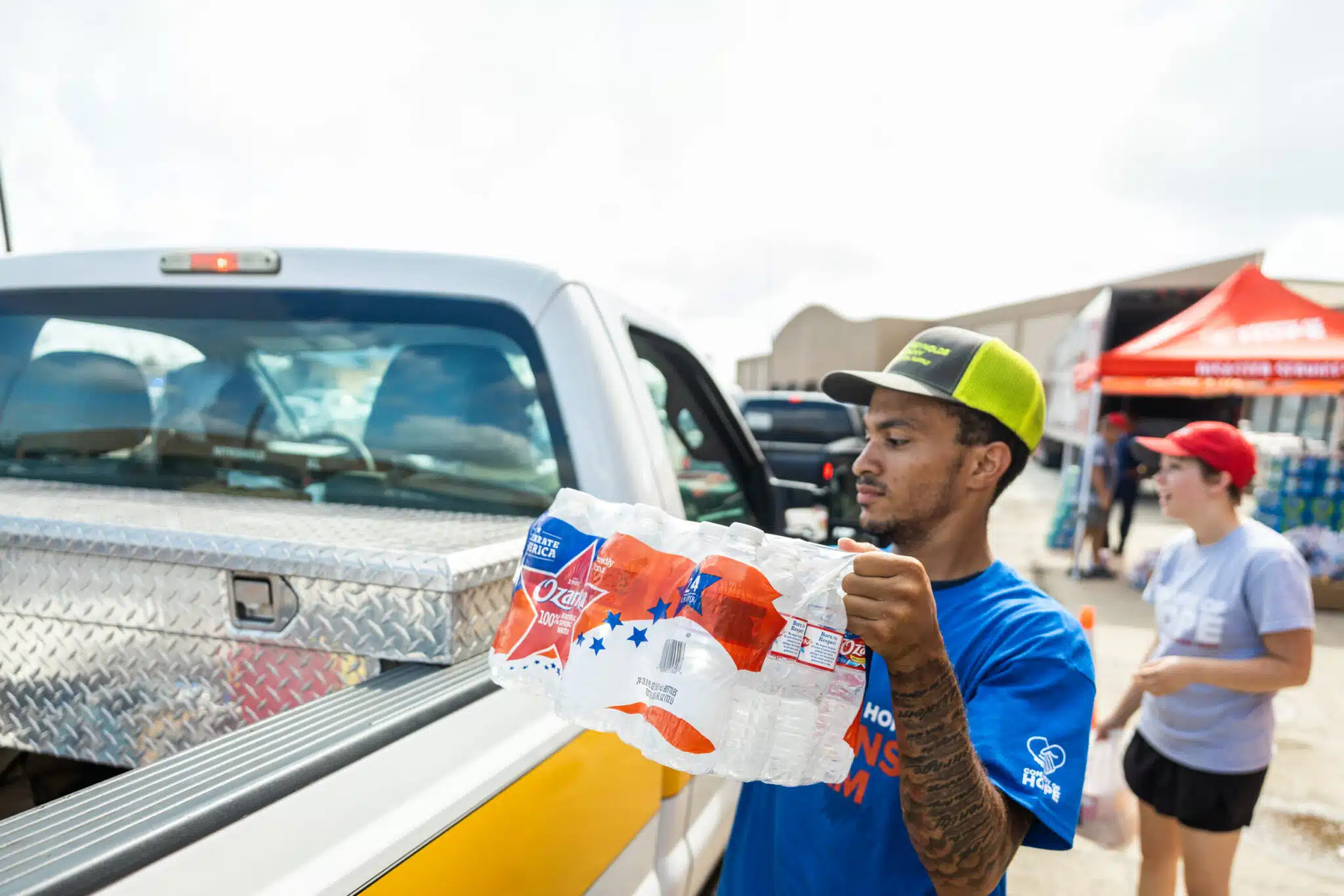
For each member of your family, store at least one gallon of water per day for a minimum of three days. Seven days’ worth is even better to keep your family hydrated — whether you’re in your house without running water or are transporting water with you as you evacuate.
You should also keep a supply of nonperishable foods that don’t require refrigeration or cooking. In a storm, you may not be able to use those methods to prepare food. Items like protein bars, peanut butter, crackers, nuts, dried fruit, and dry cereal are easy to store and ready to eat when you need them.
Feel free to pack some comfort foods, too, like packaged desserts or fruit snacks, which tend to lift a family’s spirits in hard times!
Be sure to remember your family’s dietary restrictions, allergies, and medical needs when you’re packing their snacks and meals.
2. Wear (and Bring) Appropriate Clothing
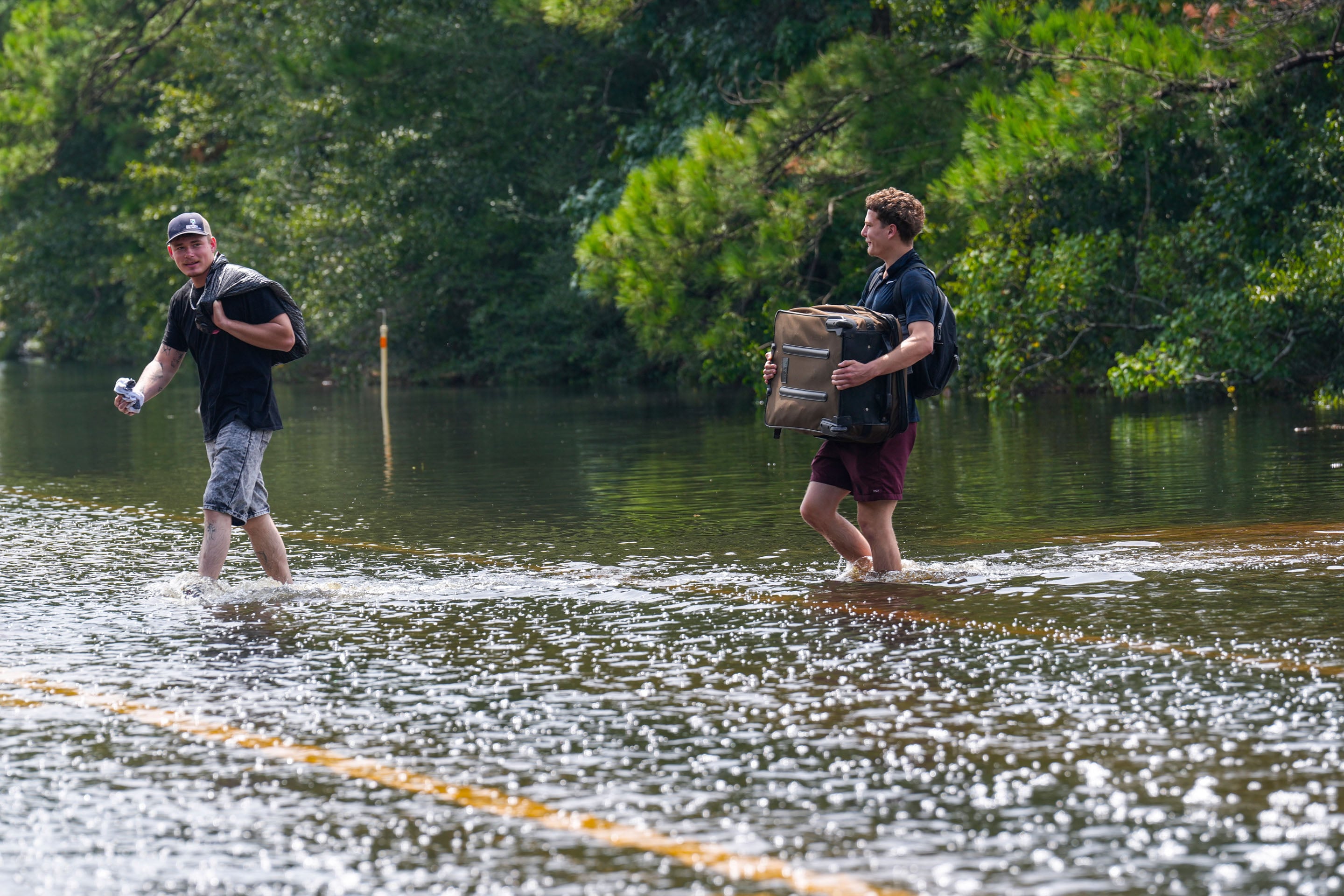
Storms can leave behind standing water, debris, and other challenging conditions — so make sure you’re wearing proper footwear. Sturdy and protective shoes help keep you safe.
Rain gear like jackets and boots will give your family another means of protection from the elements, helping make a difficult situation more manageable.
If the forecast shows cooler temperatures are possible during evacuation, pack warm layers, such gloves, hats, coats, and thermal socks for your family.
3. Pack Everyone’s Hygiene and Medical Supplies
Create a small hygiene kit for each family member with the essentials they might need. Include a toothbrush, a travel-sized toothpaste, soap, shampoo, conditioner, and other personal care items (including feminine hygiene items if applicable). A one-gallon Ziplock bag would work well for these kits.
Important: Remember to pack a week’s worth of any daily or essential medications!
4. Protect Your Special Papers (Including Cash)
Keep your important documents in a waterproof folder or container that you can access quickly and easily. Use it to safely store your identification documents, like your driver’s license, birth and marriage certificates, and your family’s social security cards.
Consider keeping a printed copy of a utility bill that shows your name alongside your home’s address — this could smooth the process of returning to your home after an evacuation.
It’s wise to have a small amount of cash on hand, just in case power outages affect your access to bank systems.
5. Handle Your Home’s Utilities and Locks
As a family, learn where the utility shutoffs are in your home and review the safety instructions.
Know where your home’s water shutoff is, in case authorities instruct you to shut it off during a storm.
If you own a generator, follow all the manufacturer’s guidelines, using it outdoors and in a well-ventilated area so you can avoid carbon monoxide buildup. DO NOT hardwire your generator into your home’s electric panel.
If there is an evacuation order that isn’t immediate, take a few minutes to secure your home, take photos of your belongings, and lock the doors.
6. Be Ready To Evacuate
Learn about your local evacuation routes and make a plan for where your family will go. Having a plan in place allows you to act with confidence when it matters most.
When a storm starts approaching, keep a full tank of gas in your vehicle and monitor local updates. Gather up your essentials early.
DO NOT delay if your local officials instruct residents to leave your community. Responding promptly is one of the best ways to keep your family safe.
Preparation Makes a Difference
No one can stop a hurricane. But taking the time to educate yourself and your family about essential items and courses of action will help reduce stress and improve your ability to respond intentionally.
On our side, Convoy of Hope’s Disaster Services team is equipped and ready to respond with urgency to natural disaster situations around the world, where families are in need of aid and care. Together, we can weather the storms.
The Power of Preparedness
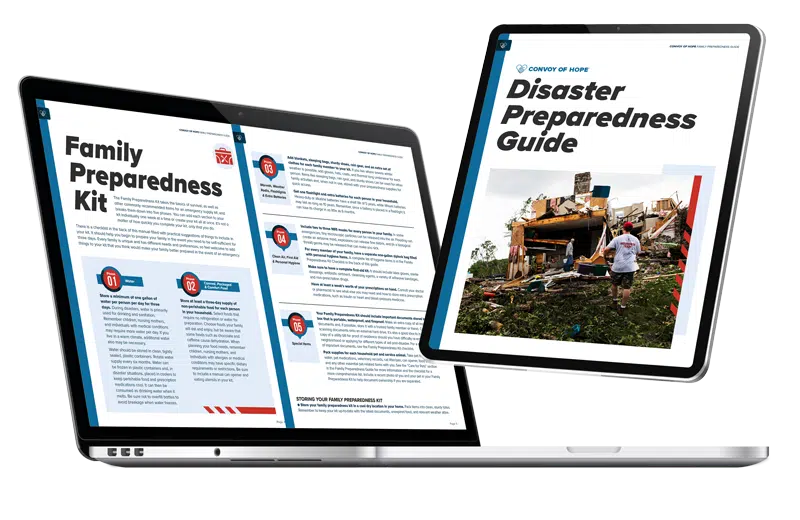
Ensure your family is protected in the face of unexpected challenges with our Disaster Preparedness Guide.
Topics Include:
— Family Communication Plan
— Evacuation Plans
— Care for Pets
— Weather Monitoring
Download Our Disaster Preparedness Guide!
Start your journey to preparedness now and download the guide to learn practical steps for facing any disaster confidently.
“*” indicates required fields
":" indicates required fields