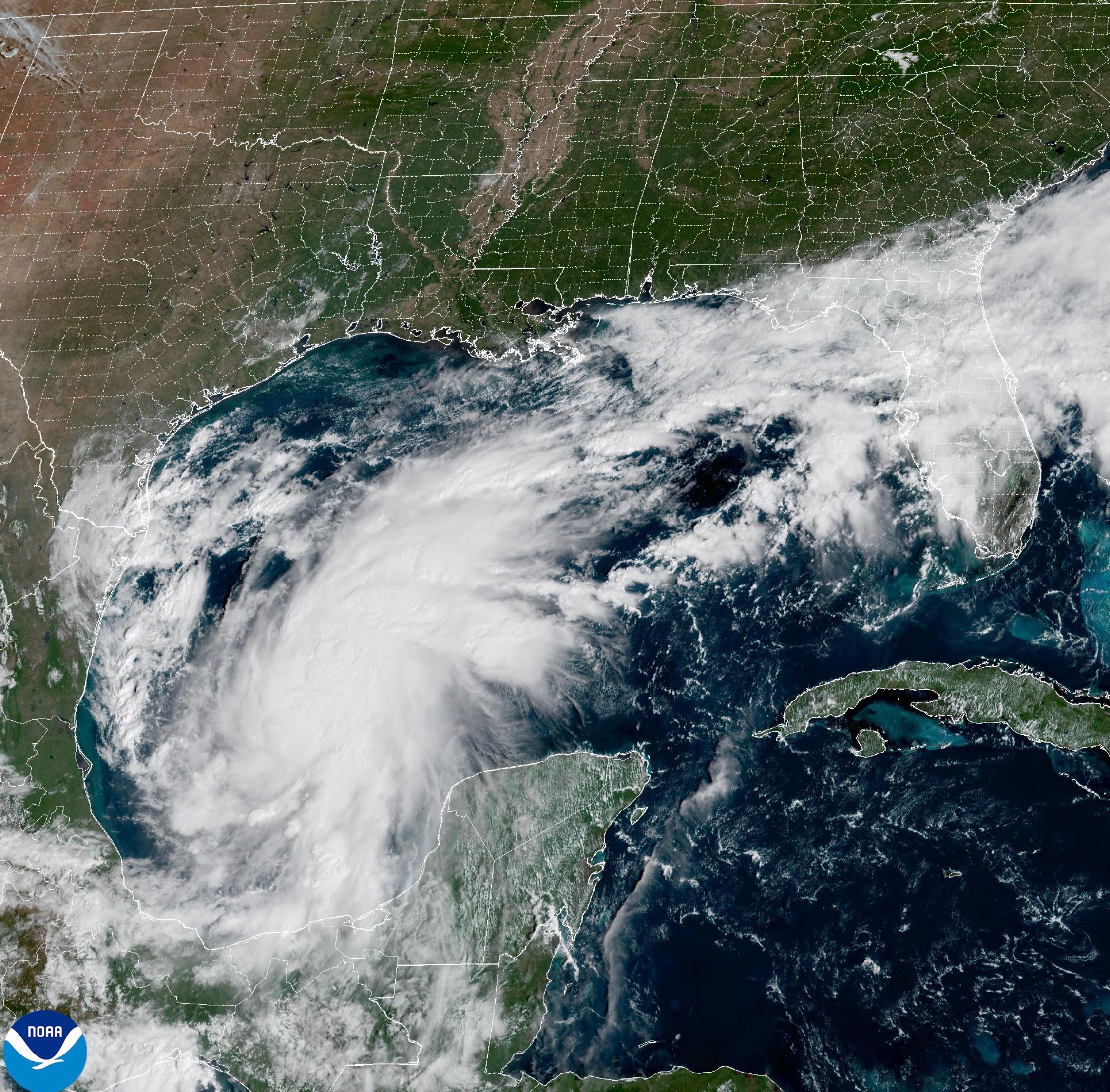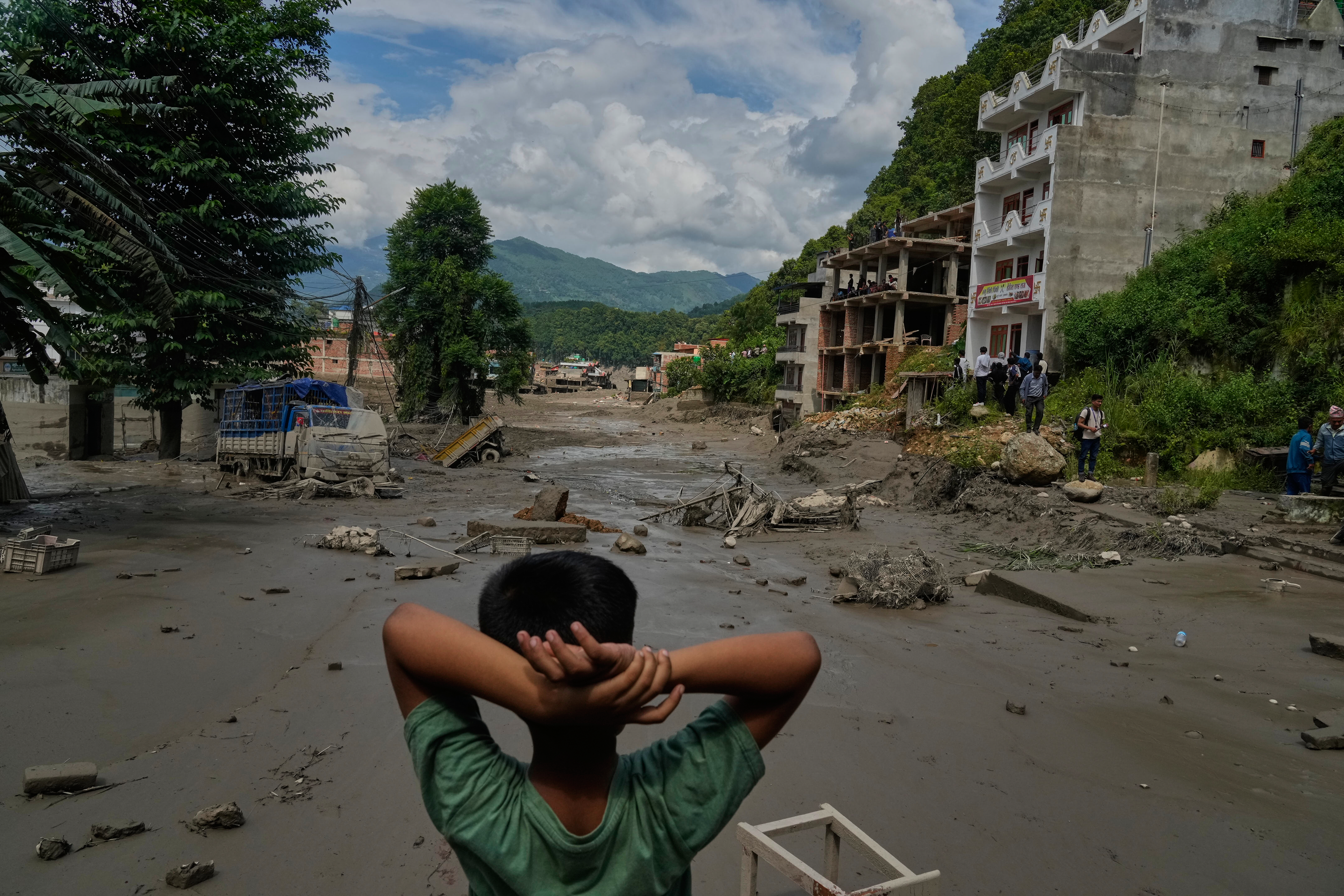


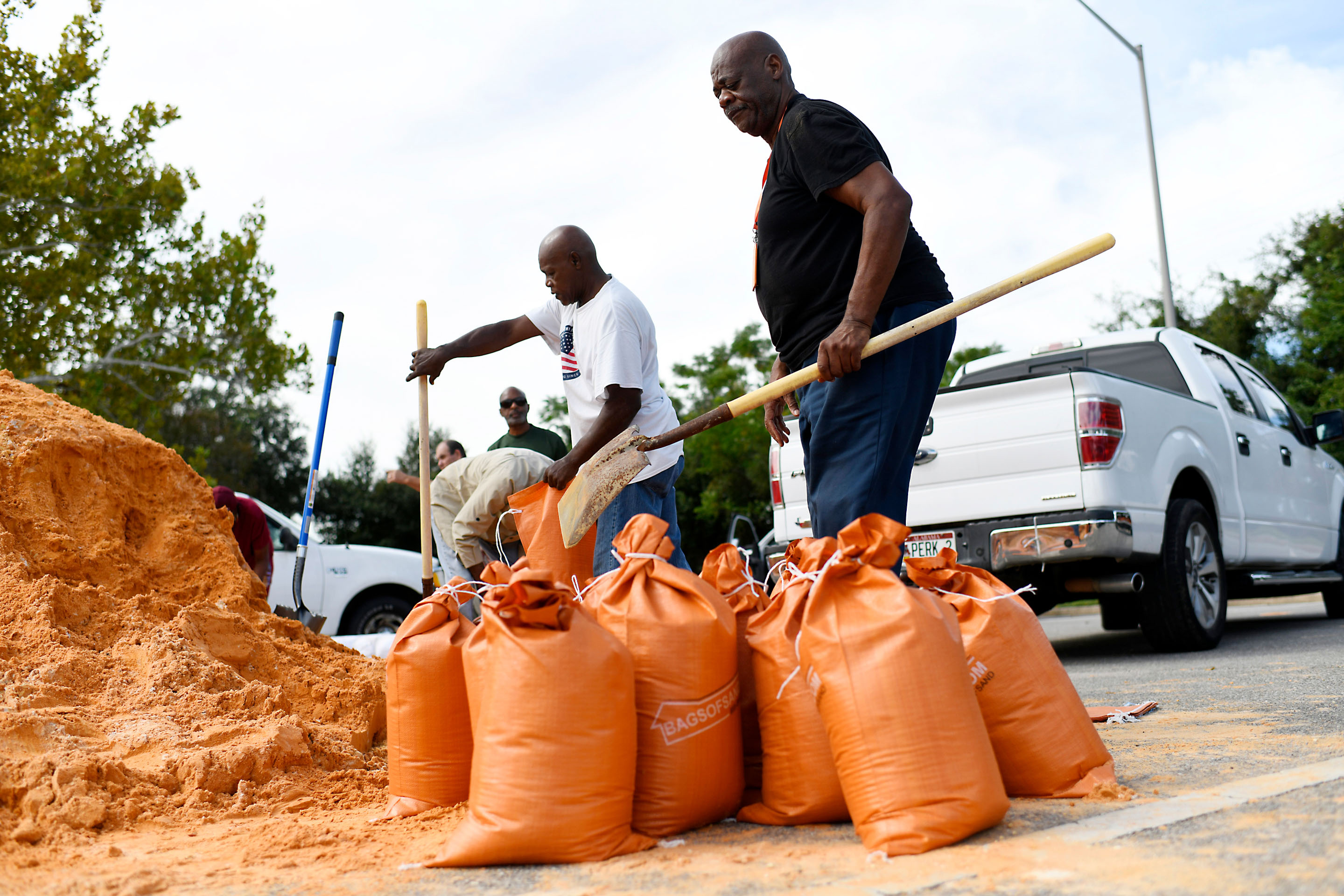
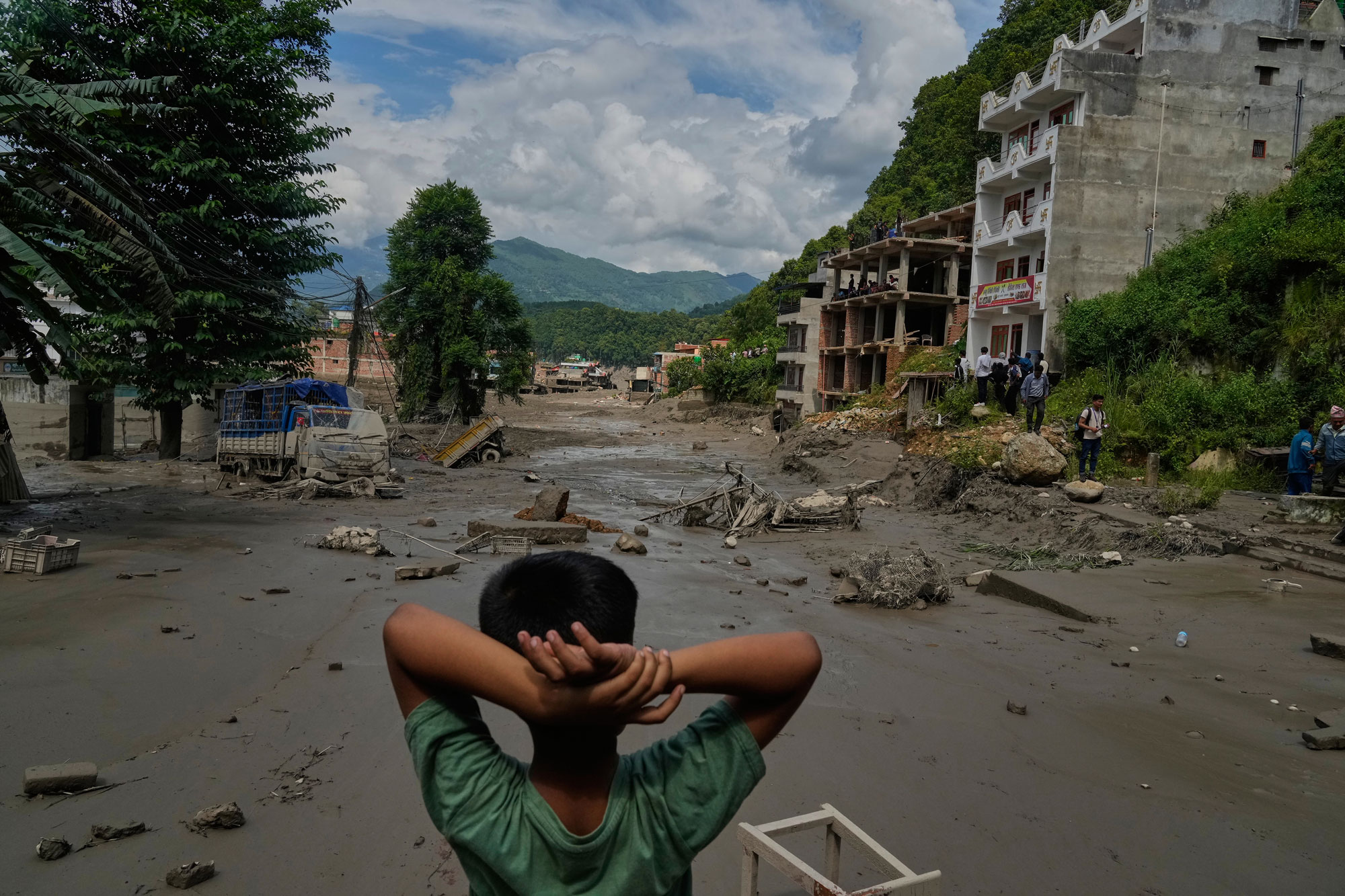

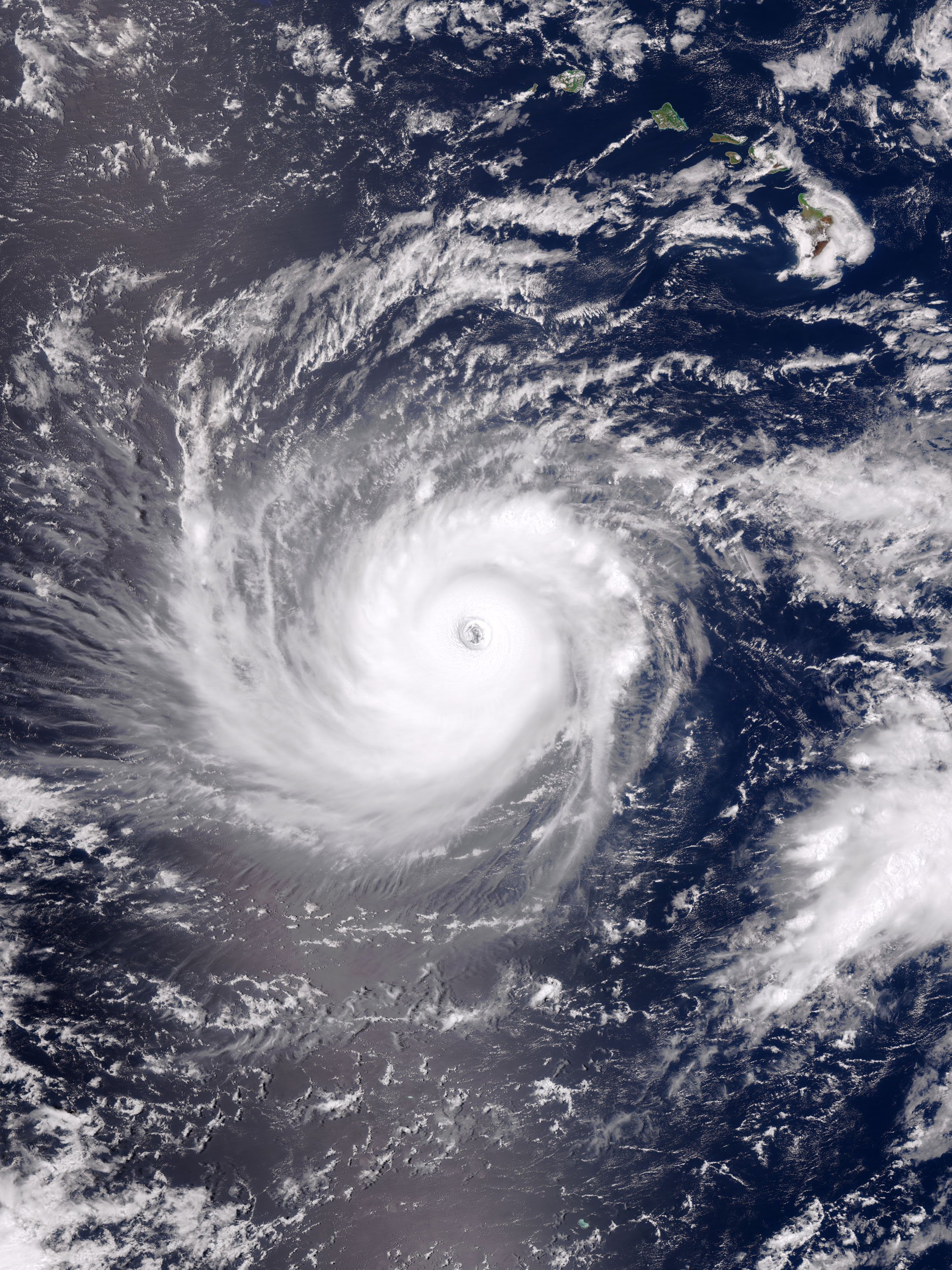
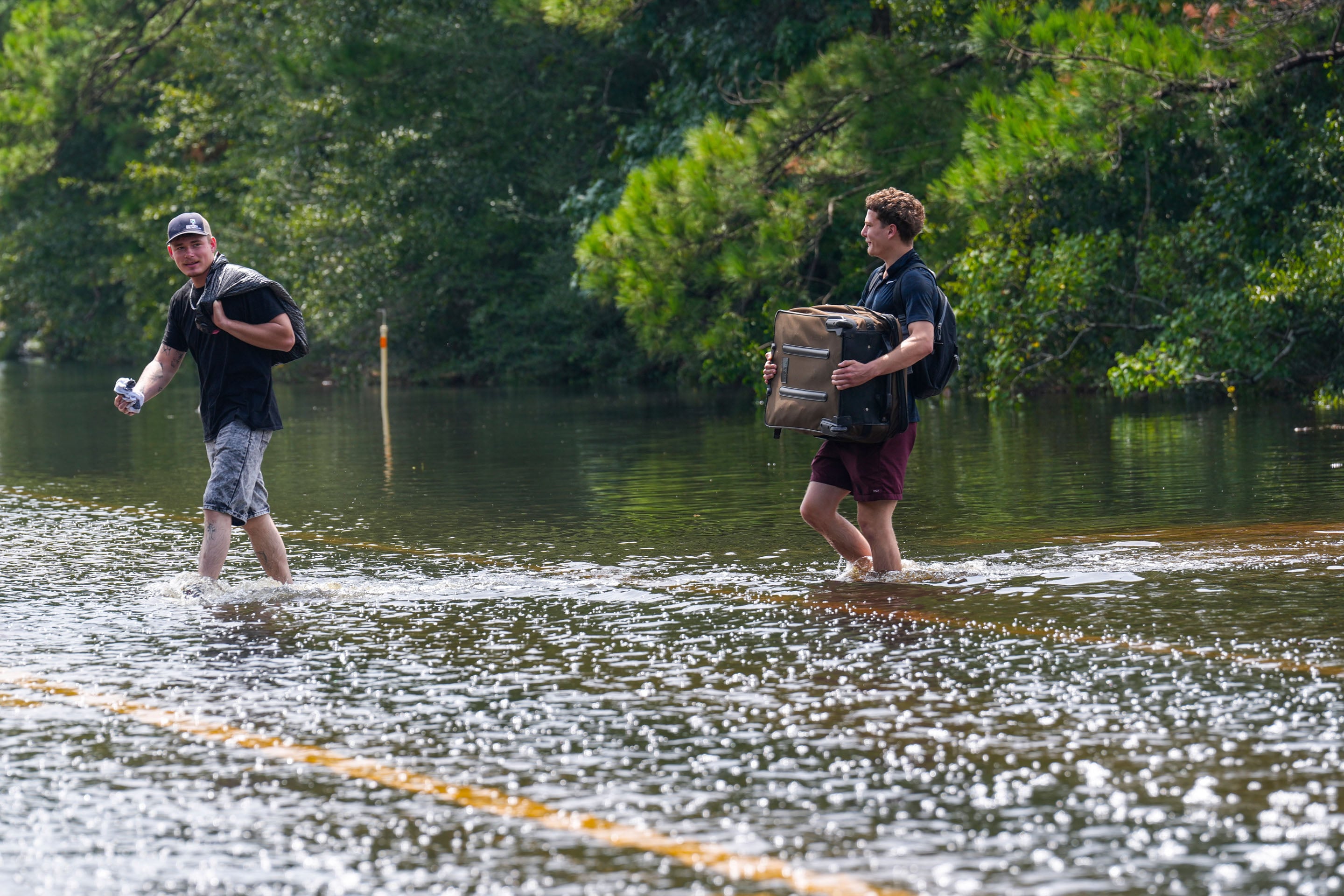

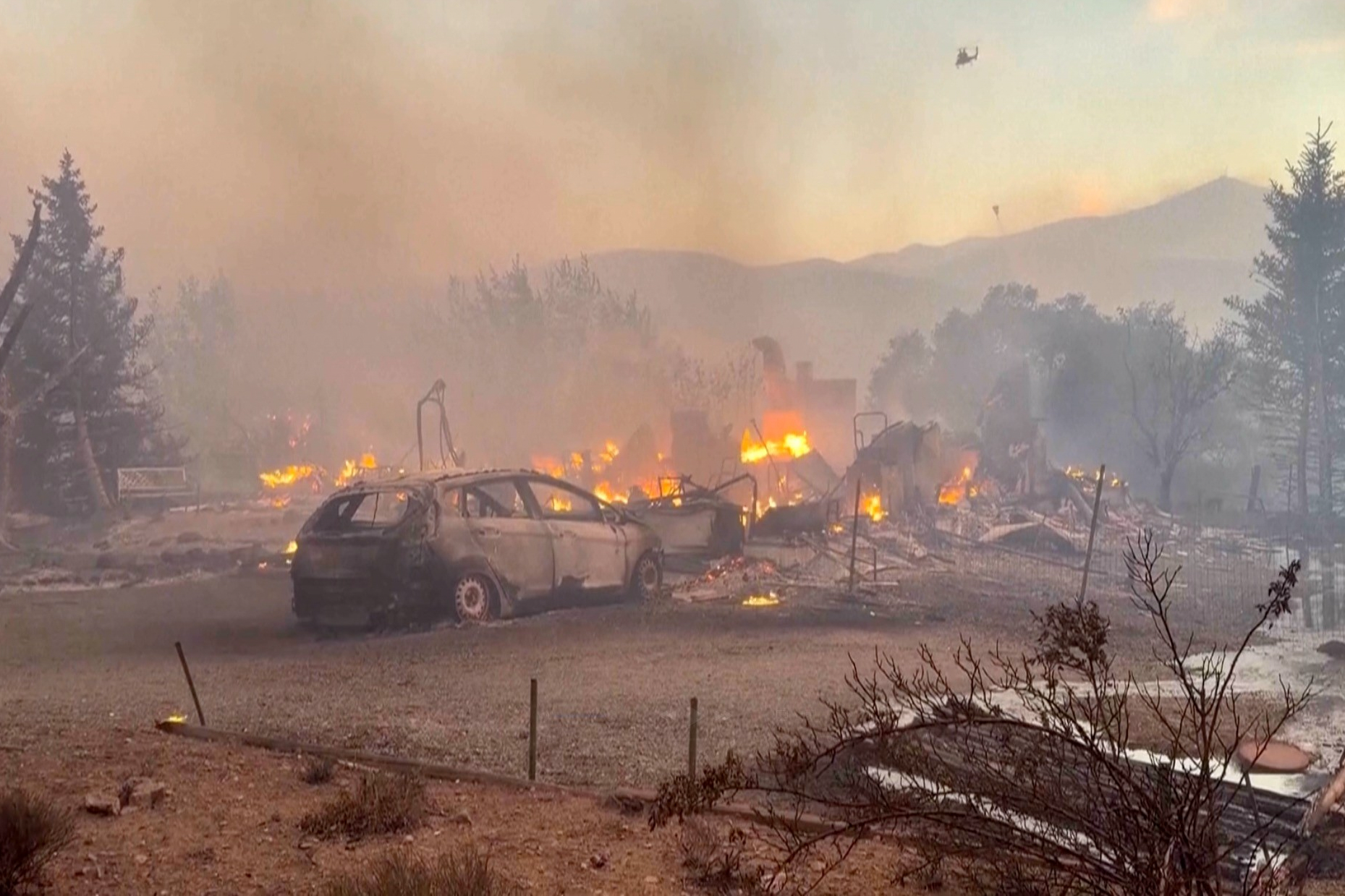
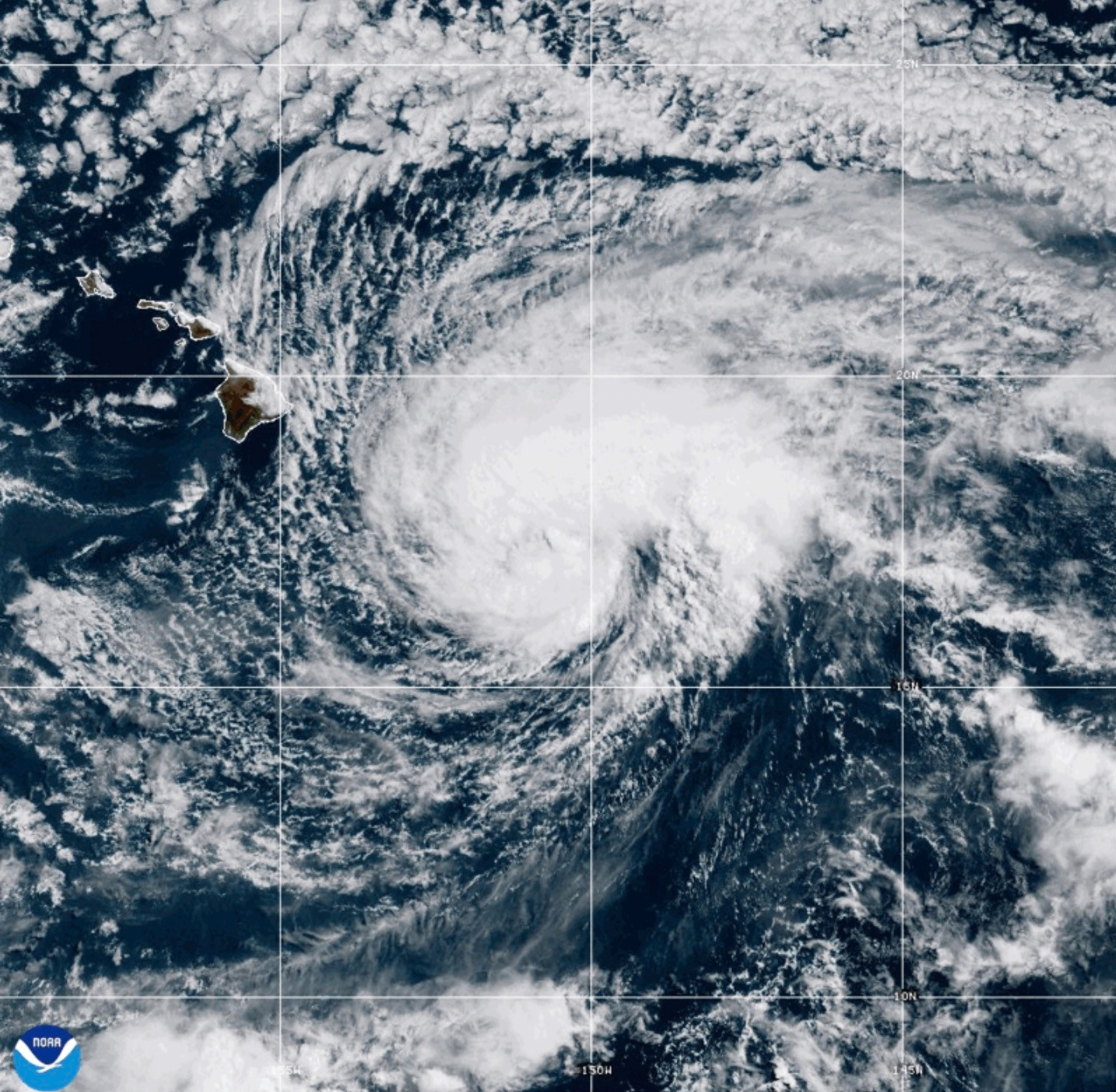
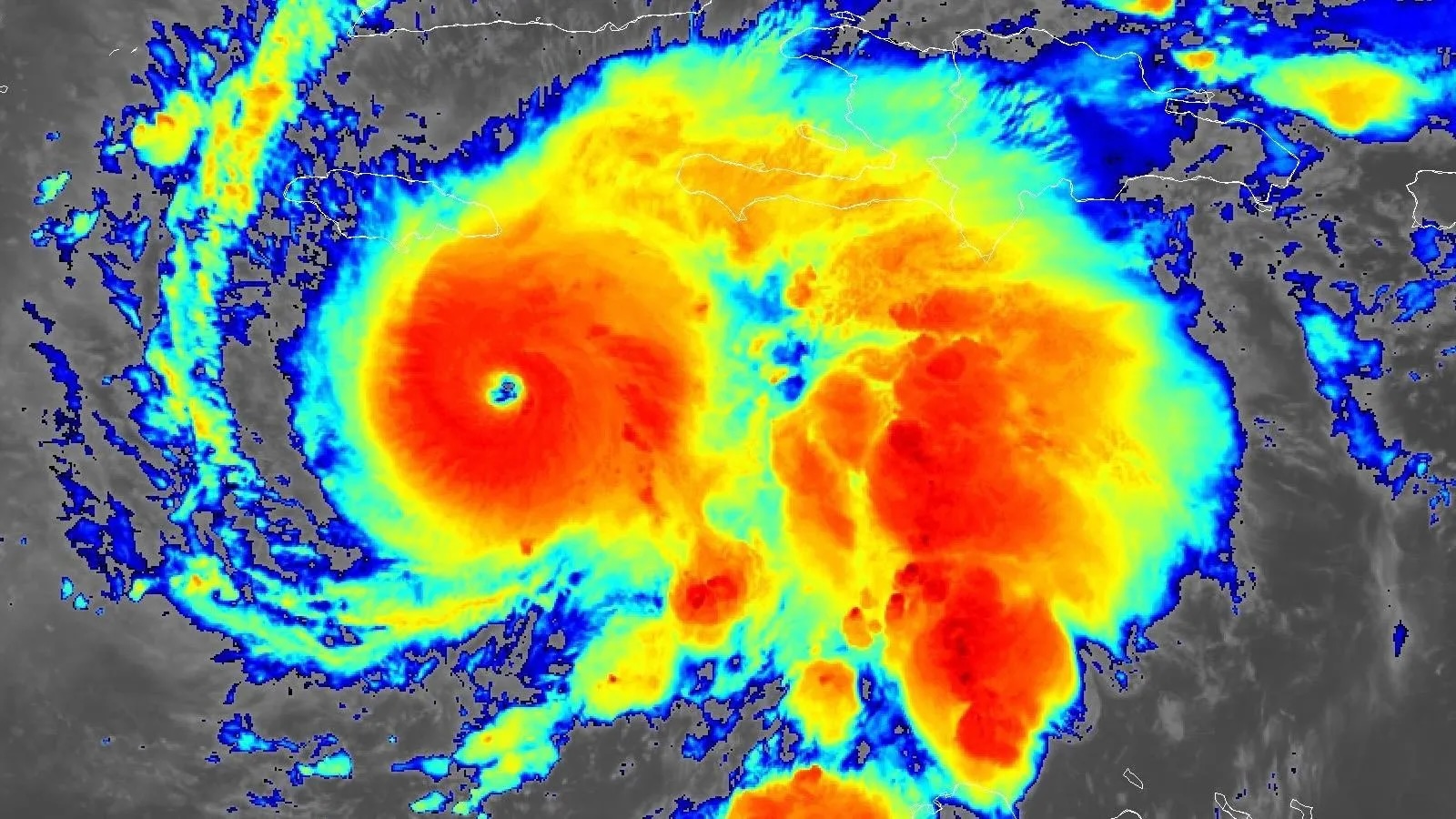
One of the largest hurricanes in recorded history has churned through the Caribbean and is heading beyond Bermuda into the Atlantic. It has pummeled Jamaica and Cuba and brought heavy rain and winds to the Bahamas and Bermuda.
If you’ve been following headlines about Hurricane Melissa, you might be wondering about the history of that storm’s name.
The hurricanes and tropical storms you hear about each Atlantic hurricane season get their names from six lists originated and recycled every six years by the World Meteorological Organization.
Melissa is the 13th name on the list for 2025, replacing Michelle after Category 4 Hurricane Michelle killed 48 people (37 in Honduras and Nicaragua) and caused more than $2.4 billion in damage. Michelle was the strongest hurricane of the 2001 Atlantic hurricane season.
Melissa’s early history was mild. In the 2007, 2013, and 2019 seasons, Melissa grew to tropical storm strength but never reached hurricane status.
This year’s Hurricane Melissa was very different, creating a significant chapter in the Atlantic region’s record books. Read on to learn more about some of the terminology you will see in updates on Melissa.
Phases of Tropical Cyclones
All named storms are a form of tropical cyclone — a rotating, organized system of clouds and thunderstorms that originates over tropical or subtropical waters and has a closed low-level circulation.
Phase 1: Tropical Depression
Early in a cyclone’s development, as a tropical depression, wind speeds are less than 39 mph.
Tropical depressions are not given names but are numbered and tracked in case they grow into tropical storms or hurricanes.
Phase 2: Tropical Storm
On October 21, a weather system that had moved off West Africa and across the Atlantic had achieved a sustained wind speed of 39 mph. Tropical Storm Melissa was announced.
Phase 3: Hurricane
Melissa quickly developed winds of 74 mph on October 25 and was designated as a hurricane. By October 27, Melissa had grown to a Category 5 hurricane, the most devastating category, with sustained winds of 185 mph.
If you live in an area where such a storm system is expected, take all necessary precautions, keep up to date on reports of the storm’s path, and don’t underestimate the potential impact to your community.
When Was Hurricane Melissa?
Melissa had never grown beyond a named tropical storm during three earlier hurricane seasons it was listed but became a Category 5 storm on October 27, 2025. Although it slowed to Category 3 after making landfall, its destructive power was still off the charts.
Where Did Hurricane Melissa Hit?
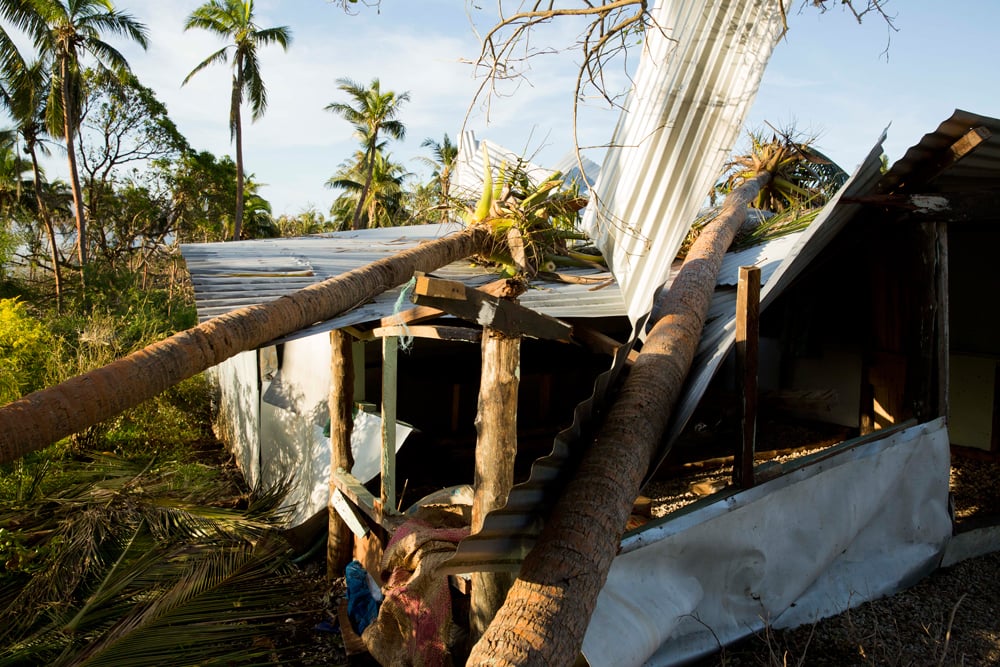
Prime Minister Andrew Holness declared Jamaica a disaster zone after Melissa made landfall on October 28. It soon weakened from a Category 5 storm to a Category 3 over the island, but it remained highly destructive. Melissa ripped roofs off of homes, downed power lines and trees, and left 2.8 million Jamaicans without electricity.
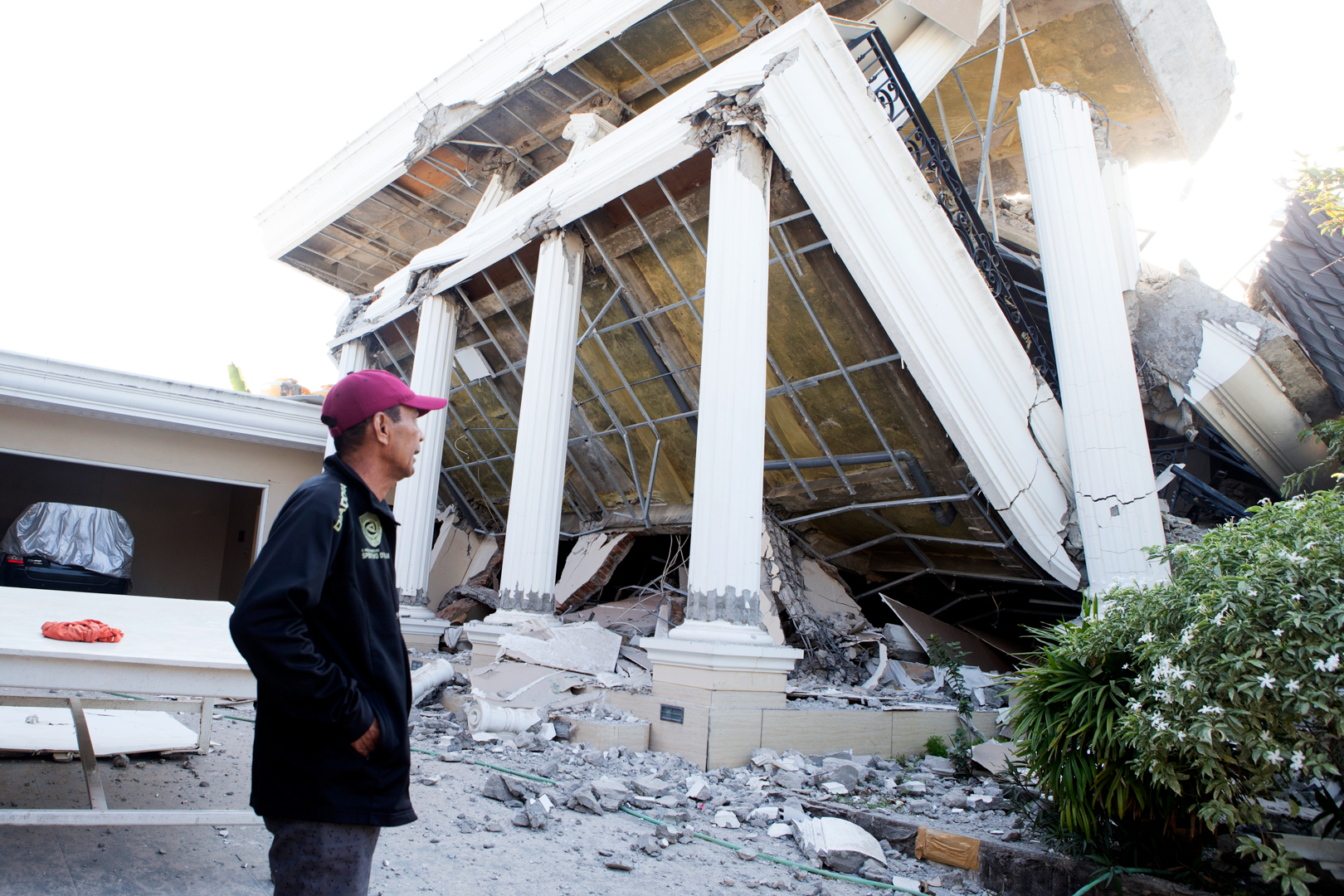
On October 29, Melissa made landfall on Cuba as a very destructive Category 3 hurricane with sustained winds of 120 mph. About 735,000 people have had to move to temporary shelter.
Later on October 29, Melissa passed through the Bahamas as a Category 1 storm. On October 30, the weakened system was heading toward Bermuda with remaining potential to bring heavy rain and flooding.
What Category Was Hurricane Melissa?
When you hear reports of a hurricane’s category, you are hearing a description of wind speed on the Saffir-Simpson Hurricane Scale.
With Melissa growing to Category 5, its highest sustained wind speed on the ground had been clocked at 185 mph. For perspective, that is the equivalent of an EF4 tornado. Imagine a destructive tornado that is hundreds of miles wide, and you begin to get a picture of the power behind Hurricane Melissa. (In fact, a hurricane research plane measured a record-setting gust of 252 mph higher up in the storm.)
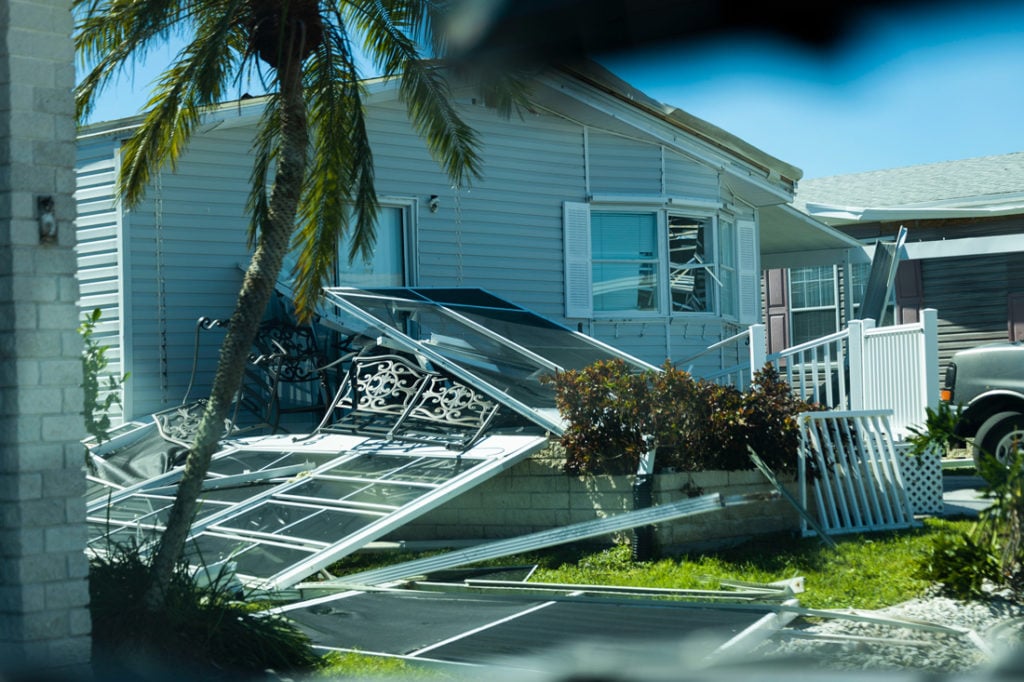
Melissa weakened to a Category 3 over Jamaica, but destruction was still widespread. Cuba’s terrain weakened Melissa to a Category 2. The Bahamas experienced the high winds and rain of the remaining Category 1 system.
What Time Will Hurricane Melissa Make Landfall?
There is no correlation between similarly named hurricanes in history, as the records of the previous storms named Melissa.
Researching, “What time did Hurricane Melissa make landfall?” would not have helped you prepare for a potential Hurricane Melissa in 2025.
With any current storm predicted to reach your region, stay up to date on weather forecasts and be aware of that specific storm’s estimated landfall.
With any severe storm, don’t make the mistake of waiting until the last minute to reach a safe area.
The Power of Preparedness
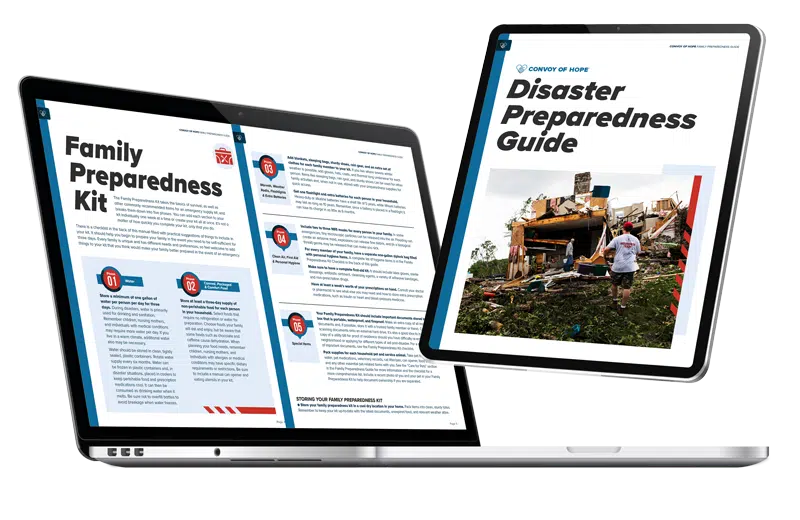
Ensure your family is protected in the face of unexpected challenges with our Disaster Preparedness Guide.
Topics Include:
— Family Communication Plan
— Evacuation Plans
— Care for Pets
— Weather Monitoring
Download Our Disaster Preparedness Guide!
Start your journey to preparedness now and download the guide to learn practical steps for facing any disaster confidently.
“*” indicates required fields
":" indicates required fields
How Many People Died in Hurricane Melissa?
The name Melissa is on the list of Atlantic hurricanes in 2025 because of the massive damage and the 48 lives lost due to Hurricane Michelle in 2001.
Fortunately, during the three hurricane seasons Melissa has appeared as a tropical storm, no lives have been lost.
Sadly, Hurricane Melissa has already taken at least 59 lives — four in the Dominican Republic, at least 29 in Haiti (with more missing), at least 22 in Jamaica, and four in Panama. When you consider that several people were killed outside of the direct path of the hurricane, you realize the deadly conditions that can develop in the wider area.
What Was the Path of Hurricane Melissa?
Each of the tropical storms named Melissa remained at sea.
In 2007, Tropical Storm Melissa formed from a tropical wave exiting West Africa. Crossing the Atlantic, it dissipated without contacting land.
Similarly, the paths of Tropical Storm Melissa in 2013 and 2019 remained within the Atlantic, moving within the central Atlantic in 2013 and closer to the U.S. East Coast and Canada in 2019.
This year’s Hurricane Melissa began with a tropical wave moving off the coast of Africa and moving across the Atlantic Ocean. As a fully formed hurricane, Melissa severely impacted Jamaica and Cuba before causing lesser weather events in the Bahamas and on Bermuda. Melissa moved in a northeast path back towards the central Atlantic.
Convoy of Hope & Hurricanes
Convoy of Hope, a faith-based nonprofit serving the poor in dozens of program countries around the world, responded to its first disaster in 1998 when flooding in Del Rio, Texas, followed that year’s Tropical Storm Charley. With reports of Hurricane Melissa’s damage across the Caribbean, Convoy’s disaster response team is positioning resources in the region, potentially connecting with local communities for months to come.
Hurricane response continues to be an annual priority for Convoy.
Convoy’s 2024 response to Hurricane Helene.
Convoy’s 2024 Major Responses
In the 2024 Atlantic hurricane season, Hurricane Beryl broke two records — becoming the earliest Category 4 storm on June 30 and the earliest Category 5 on July 1.
Convoy quickly began meeting the needs of communities in Beryl’s path. Beryl’s first effects were felt in the Caribbean, where Convoy served more than 43,000 meals and distributed family food kits, hygiene kits, water filters, solar lamps, and generators.
To view Convoy’s response to Hurricane Ian, watch the video above.
On September 26, Category 4 Hurricane Helene became the strongest recorded hurricane to strike Florida’s Big Bend region.
It was the deadliest hurricane since 2005’s Katrina, with more than 230 fatalities.
By November, Convoy had distributed more than 4 million pounds of resources in 85 communities across Florida and five other impacted states.
Hurricane Milton was the final major storm of the 2024 season and hit Florida with heavy rain and flooding even as the state continued to recover from Helene.
Convoy continued its regional response to include 27 communities recovering from Milton. Nearly 1 million pounds of resources were distributed.
Convoy of Hope Disaster Services responds to natural disasters around the world, offering help and hope to people facing some of the most challenging circumstances in their lives.
Convoy of Hope is a nonprofit, faith-based organization with a driving passion to feed the world through children’s feeding initiatives, community outreach, and disaster response.