









If you have ever asked, “Can I create a will for free?” the answer is yes — and you can do it faster than you think.
This guide explains:
- • How to create a will for free
- • Why doing it now protects the people and causes you love
- • How tools like FreeWill and the Convoy of Hope Foundation make the process simple
We’ll cover the steps, common terms, and extra documents you may want — like a power of attorney, a living will, or living trusts.
By the end, you’ll be ready to start creating a will for free in minutes.

Why a Will Matters (and Why You Shouldn’t Wait)
A will is a written plan for what happens to your property and personal items after you pass away. It also lets you name an executor (the person who carries out your wishes) and, if needed, a guardian for minor children.
Dying Without a Will
A judge in probate court will follow state laws to decide who receives your assets. That process can be time-consuming and stressful for your loved ones.
Dying With a Will
A simple will gives your family clear instructions and saves them from guessing during a hard time.
Important Note
You do not need a lawyer to write a basic will. For many people, a free online will tool is enough to get it done now. Later, if your life becomes more complex — new business, large estate, multistate property — you can speak with an attorney to refine your plan.
How to Create a Will for Free (Step by Step)
Below is a straightforward path you can follow today.
The main tool used is FreeWill — a guided, online form that helps you draft a state-ready will you can print and sign with witnesses.
Charities and nonprofits often point supporters to FreeWill because it’s user-friendly and free to use.
Step 1: Gather the basics
Make a short list before you start. This preparation keeps you focused so the process isn’t time-consuming.
1. Beneficiaries
Who should receive what? Think about your spouse or partner, a family member, friends, and your favorite charities.
2. Executor
Choose a responsible person — a trusted friend or relative — who is good with paperwork and deadlines.
3. Guardians
If you have minor children or dependents, name who should care for them.

4. Special Items
Note anything specific you want to leave to someone (heirlooms, tools, jewelry, musical instruments).
5. Digital Accounts
Consider who should manage online accounts, photos, and passwords.
6. Debts and Insurance
Make a list of accounts and policies (mortgage, retirement, life insurance, etc.).
Step 2: Draft your will with FreeWill (free)
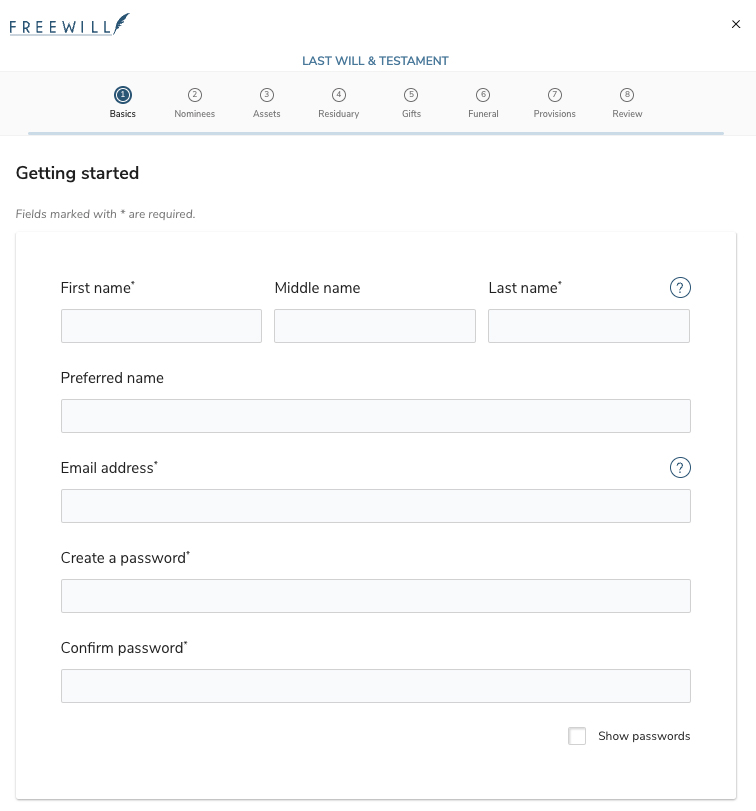
Go to FreeWill and answer the guided questions.
The tool turns your answers into a last will and testament that fits your state’s basic requirements.
When you finish, you can download and print the document, and sign it in front of witnesses.
For simple estates, this is all many people need to complete a valid will.
Tip: Many major nonprofits directly link supporters to FreeWill because it offers a free, step-by-step path and produces a printable will you sign with witnesses.
How the Convoy of Hope Foundation Assists (Free, Simple, Supportive)

The Convoy of Hope Foundation makes it easy to create a will for free through FreeWill.
Using Convoy’s dedicated link, you’ll find a clear, guided flow that helps you list beneficiaries, choose an executor, and finalize your documents.
If you wish, you can also include a charitable bequest to support Convoy’s mission — but that is always optional. The focus is helping you finish a valid, basic will without cost or pressure.
Many respected charities use FreeWill for this same reason: It’s a step-by-step tool that ends with a printable will to sign with witnesses.
Step 3: Make it official (signing)
Each state has rules for signing a will. Most require that you sign in front of two witnesses (who are not beneficiaries). Some states also allow or recommend notarization.
Read the instructions that come with your document and follow them closely. If you’re unsure, call a local attorney or check your state’s guidance.
FreeWill and partner pages emphasize printing and proper witnessing as the last step for simple estates.
Step 4: Store it and tell your people
Put the original signed will in a safe but accessible place. Tell your executor and a family member or trusted friend where it is, and how to access it.
Consider keeping a copy with your other vital records (titles, birth certificates, life insurance policies) so everything is easy to find.
Step 5: Review after life changes
Review your will after big events — marriage, divorce, a new child, a move to a new state, purchase of a home, or the loss of a loved one.
Small updates keep your plan accurate and reduce delays in probate court.
A Simple Checklist You Can Use Today
☐ List your people. Beneficiaries, executor, alternate executors, and (if needed) guardians.
☐ List your stuff. Home, accounts, vehicles, life insurance policies, and special items.
☐ Decide on gifts. Specific items or percentages. Consider whether you want to leave a charitable bequest.
☐ Draft online. Use FreeWill to create a will for free.
☐ Sign correctly. Follow state rules for witnesses (and notarization if required).
☐ Add key documents. Advance health care directive (living will) and power of attorney.
☐ Store and share. Tell your executor and a trusted friend where to find everything.
☐ Review often. Update after major life events.

7 Ways To Give Smarter
Learn how to create a giving strategy that aligns your resources, values, and goals to make a meaningful difference.
Topics include:
— Donor-advised funds
— Donating stocks
— Donating from your IRA
— Optimizing your business sale
Download Our Guide to Smarter Giving!
Start your journey toward using your income to make a difference, leave a legacy, and enrich lives.
":" indicates required fields
What Else Should I Consider Besides a Will?
A basic will is the foundation.
But you can add a few free or low-cost documents that handle health care wishes and decision-making if you are ever unable to speak for yourself.

1) Advance health care directive (living will)
A “living will” (part of an advance directive) records your medical care preferences in case you become seriously ill or injured and cannot communicate.
Many platforms offer templates to create a living will for free and pair it with a health care proxy (the person who speaks to doctors for you). Some sites also include downloadable forms you can print and sign.
2) Power of attorney (financial and medical)
A durable power of attorney lets you name someone to handle financial matters if you cannot act (paying bills, managing accounts).
A health care power of attorney names someone to make medical choices. Several reputable will-making resources list these as common add-ons you can prepare alongside your will.
3) Living trusts (for special situations)
Some people set up living trusts to hold assets and help loved ones avoid parts of probate court. Trusts can offer more control — like delaying when a beneficiary receives an inheritance.
When a trust makes sense: Trusts are often used when a family member can’t easily manage money on their own. By naming a trustee—a relative, trusted friend, or professional—you give someone the authority to handle investments, pay bills, and make distributions for the beneficiary’s needs.
Trust terms are flexible: you can set spending rules, schedule payments over time, or tie funds to milestones (school, health needs, recovery, etc.). For loved ones with disabilities, a special needs trust can provide support while helping preserve eligibility for certain public benefits. If a beneficiary is vulnerable to debt, addiction, or outside pressure, a trust adds oversight and protection.
If you’re unsure, talk with an attorney about whether a trust makes sense for you.
Frequently Asked Questions
How to make a will for free if I have a simple situation.
Use a guided platform like FreeWill to draft your document.
Then print and sign according to your state’s rules (usually in front of two witnesses).
This is the fastest path for creating a will for free.
Can I create a will for free if my estate is more complex?
You can start free, get your ideas in order, and then meet with an attorney to add details, such as living trusts, special needs planning, or business interests.
Many editorial reviews recommend an attorney for complex estates even if you begin with a DIY draft.
How do wills interact with probate court?
Your will is presented to probate court after you pass away.
The court reviews the document, confirms the executor, and oversees the process.
A clear will can reduce confusion, speed things up, and simplify tasks for your executor, family, and beneficiaries.
What about life insurance and retirement accounts?
Accounts with named beneficiaries — like life insurance, IRAs, or 401(k)s — usually pass directly to the named person and do not follow your will.
Make sure your beneficiary forms are up to date.
This is one of the easiest ways to avoid delays and reduce time-consuming work for your executor.
Who should I pick as executor?
Choose a reliable, organized person — a trusted friend or family member — who will be available to complete forms, notify agencies, and work with the court and banks.
Talk to them first so they know your wishes and where you keep your documents.
What is the difference between a last will and a living will?
A last will handles property and guardianship (of minors or dependents) after death.
A living will (part of an advance health care directive) records your choices regarding your medical treatment if you are alive but unable to speak.
Many platforms help you create a living will for free and combine it with a health care proxy.
Do I need a notary?
Some states require notarization for certain documents (or recommend a self-proving affidavit).
Follow the instructions that come with your forms.
If you are unsure, ask a local attorney. FreeWill and partner pages stress printing and proper witnessing for simple estates.
Is FreeWill really “free”?
For users, yes — the tool is free to use to create and print a basic last will and testament.
That’s why many nonprofits link to it for supporters.
Is naming a charity as my IRA beneficiary smart?
A tax-smart way to support a cause is to name a qualified charity as the beneficiary of your IRA. Heirs who inherit traditional IRAs generally owe income tax on withdrawals (and often must empty the account within 10 years), but charities are tax-exempt—so they can receive 100% of the IRA value tax-free.
That’s why many planners suggest leaving taxable retirement assets to charity and passing more tax-efficient assets (like cash or brokerage) to family. If you do name a charity, tell the organization about your future (legacy) gift so they can acknowledge your generosity and steward it according to your intent when the time comes.
As with any estate decision, confirm details with your tax advisor.
Next Steps: Start Your Free Will Today
This article has provided the exact steps of how to make a will for free.
With a short list of your wishes and a few minutes of focused time, you can finish creating a will for free — and give your loved ones clarity and peace of mind.
Ready to begin? Create your free will now with Convoy of Hope’s partner link.
You’ll answer simple questions, print your document, and sign it with witnesses. That’s it. If you want to add a power of attorney or a living will, or explore living trusts, you can do that next.
Protect your family, honor your values, and avoid time-consuming confusion in probate court. The answer to “how to create a will for free” really is this simple.
*Disclaimer: Convoy of Hope and Convoy of Hope Foundation do not provide legal, tax, investment, or financial advice. The information in this article is intended for educational purposes only and should not be construed as professional advice. Donors are encouraged to consult with their own legal, tax, investment, or financial advisors when evaluating gifts to charity. Convoy of Hope and Convoy of Hope Foundation disclaim any liability arising from reliance on information provided herein.