



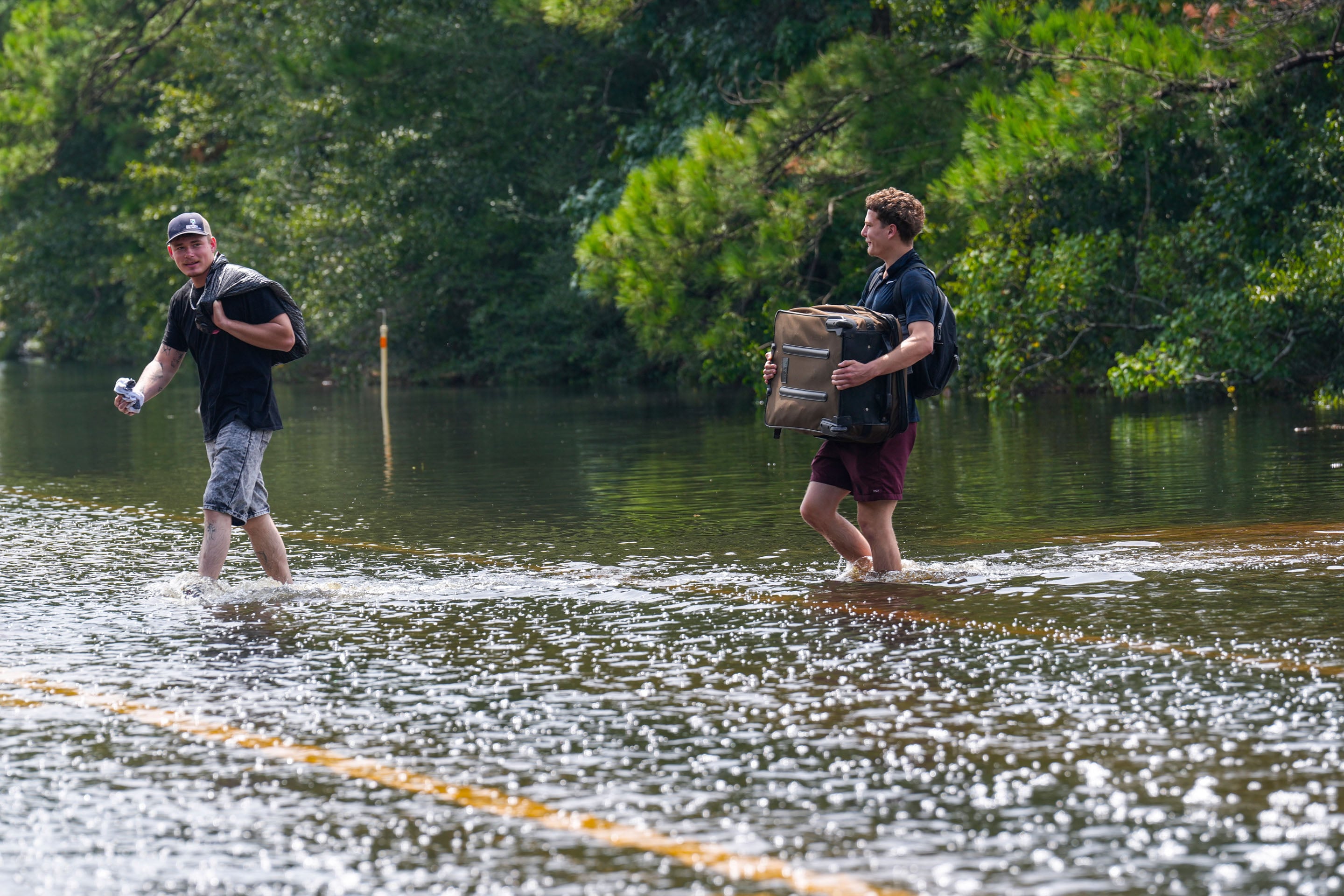




When disaster strikes rapidly, it’s hard for news outlets to keep up with the latest damage reports.
The July 4 flash floods in Texas are a current example. Even as 27 campers and counselors have been confirmed dead at Camp Mystic, an all-girls Christian summer camp, at least 136 people have lost their lives in the region.
How can you help the communities impacted by this kind of crisis when everything is continuing to develop?

Deliver Hope to Texas Flood Survivors
Help provide immediate relief to those impacted by the Texas flooding through the Crisis Relief Fund.

A good strategy is to find a relief organization with a proven track record of responding to unexpected disasters.
If you’re considering a donation to such an organization, there are a few questions you can ask to guide your decision.
• Has this charity responded to similar disasters?
• Does the charity maintain the resources needed to mount an effective response?
• Does the charity publish clear data about a response, the people helped, and the resources distributed?
• Is the charity transparent in the overall use of its finances? When you visit their website, can you get a good idea of how your donation will be used?
If you research each of these areas carefully, you can often find a charity worthy of your trust.
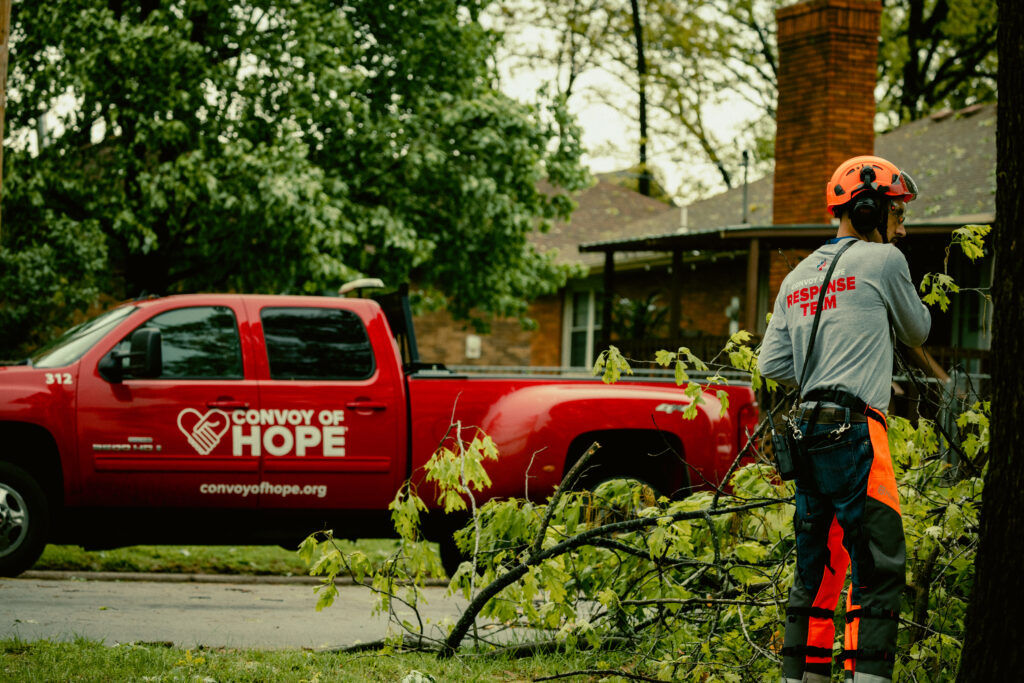
As just one example, Convoy of Hope, a faith-based nonprofit, is a global charity headquartered in Missouri, just hours away from the Texas floods. Convoy has already distributed more than 130,000 pounds of resources to more than 6,800 flood survivors in six hard-hit communities. You can research Convoy of Hope at convoyofhope.org and quickly find answers to each of the above questions.
Has Convoy of Hope responded to similar disasters?
Convoy’s first disaster response was actually in Texas. In 1998, flooding in Del Rio followed that year’s Tropical Storm Charley.
Since the Del Rio response, Convoy has been onsite around the world in communities following hurricanes, tornadoes, wildfires, earthquakes, and other disasters.
Does Convoy maintain the resources needed to mount an effective response?

Each year, compassion-minded corporations donate hundreds of millions of dollars in resources to Convoy’s World Distribution Center in Missouri and its regional distribution centers in California and Georgia.
With a fleet of semitrucks and a team of professional volunteer drivers, Convoy can quickly send tons of needed resources to any disaster site across the country.
With a network of more than 30 program countries around the world, that distribution model operates globally as well.
Does Convoy publish clear data about a response, the people helped, and the resources distributed?
Any visit to convoyofhope.org will quickly connect you with the latest data on Convoy’s responses.
For long-term responses, you’ll find news feeds stretching for months and including highlight videos and regular summaries of resource distributions.
Is Convoy transparent in the overall use of its finances?
When you visit their website, can you get a good idea of how your donation will be used?
Take a look at the digital issues of Hope Quarterly to find more information on key projects through the years as well as a clear breakdown of Convoy’s finances in each annual report issue.
Convoy has consistently applied more than 90 cents of every donated dollar to helping meet people’s needs. Disaster response represents a significant portion of that response.
When considering how you might support Texas flood victims, ask these fundamental questions and research how a nonprofit would answer them.
Once you have satisfactory answers, you can donate with confidence knowing your kindness will help the maximum number of people most effectively.
Deliver Hope to Texas Flood Survivors
Help provide immediate relief to those impacted by the Texas flooding through the Crisis Relief Fund.